
Personality
21 Stress-Relief Gifts for Anxious People: Personality-Matched Ideas
Find stress-relief gifts for anxious people matched to their personality. 21 practical ideas with habit support, personalisation tips, and honest caveats.
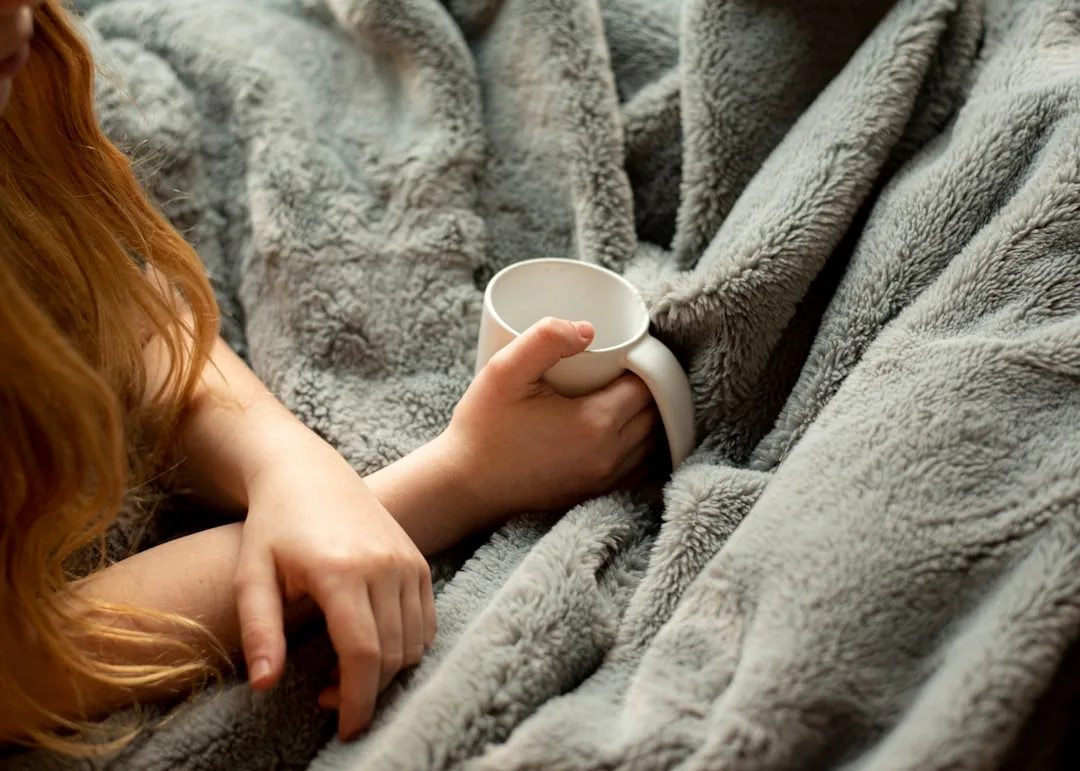
Before you choose anything, answer this: does the person you’re buying for find comfort in activity or in stillness? An anxious friend who soothes themselves by keeping busy will resent a meditation cushion. Someone who craves quiet will dread a complex craft kit that demands decisions. Getting this single detail right separates a gift that genuinely helps from one that becomes another item generating guilt on a shelf.
This guide starts with who the recipient actually is—their habits, sensory preferences, and the specific ways anxiety shows up in their day—then matches each of 21 gift ideas to a recognisable personality pattern. No generic calming gift lists. No unsupported claims about cortisol or nervous systems. Just practical options you can confidently give.
If the anxious person in your life prefers active distraction, choose tactile gifts like puzzle boxes, hand-focused hobby tools, or fidget objects they can use discreetly. If they crave stillness and sensory reduction, weighted items, blackout accessories, or single-note scents typically serve them better.
How Anxiety Expresses Itself—and Why It Shapes Gift Choices
Anxiety is not one experience. Some people become restless, needing to do something with their hands or move their bodies. Others feel paralysed, overwhelmed by decisions or sensory input. A third group cycles between both states unpredictably. Recognising which pattern fits your recipient prevents the common mistake of projecting your own coping preferences onto someone whose brain works differently.
Ask yourself: When they’re stressed, do they pace, clean, or fidget? Do they retreat to bed, dim the lights, and cancel plans? Do they seem fine one day and overwhelmed the next with no obvious trigger? The answers guide you toward gifts that meet them where they already go, rather than pushing an unfamiliar coping strategy.
Sensory Preferences That Make or Break a Stress Gift
Anxious people often have heightened sensory sensitivity. A lavender candle that relaxes one person may trigger headaches or nausea in another. Heavy blankets comfort some; others find them claustrophobic. Sound machines help certain sleepers but drive light sleepers to distraction.
Textures: Some recipients love soft, plush fabrics; others prefer smooth, cool surfaces. Observe what they already own—flannel pyjamas suggest warmth-seeking, while linen bedding suggests breathability matters.
Scents: Unscented options are always safer unless you know their preferences. If they regularly burn a particular candle or mention a specific fragrance positively, you have permission to choose something scented.
Sound: Before gifting a white noise machine, consider whether they use earplugs or mention needing silence. Some anxious people find ambient sound grounding; others need absolute quiet.
Matching Anxious Personality Patterns to Gift Categories
| Personality Pattern | What They Typically Need | Best Gift Categories | Categories to Avoid |
|---|---|---|---|
| Restless processor (paces, fidgets, over-schedules) | Productive distraction, hand occupation | Tactile puzzles, repetitive crafts, fidget tools | Passive relaxation items, heavy blankets |
| Stillness seeker (retreats, dims lights, cancels plans) | Sensory reduction, cocooning | Weighted accessories, blackout tools, soft textures | Complex projects, bright or stimulating gifts |
| Decision-fatigued (paralysed by choices) | Pre-made routines, curated simplicity | Pre-portioned consumables, single-function tools | Open-ended kits, subscription boxes with surprises |
| Socially anxious (dreads gatherings, overthinks interactions) | Solo activities, private comfort | Solo hobbies, home-use items, escape tools | Experience vouchers requiring social navigation |
| Night-time worrier (racing thoughts at bedtime) | Sleep boundary tools, wind-down rituals | Sleep accessories, bedtime routine items | Caffeine, stimulating activities, screens |
21 Stress-Relief Gifts for Anxious People
1. Sequential Discovery Puzzle Box
A wooden puzzle box with multiple stages keeps restless hands occupied while the brain focuses on a solvable problem rather than spiralling thoughts. The satisfaction of progressing through stages provides small dopamine hits without screens. Check out this Sequential Discovery Puzzle Box
Habit it supports: Redirecting anxious energy into structured challenge.
Personalisation idea: Choose a theme matching their interests—mechanical for engineers, nature motifs for outdoor lovers.
Possible mismatch: Recipients who find puzzles frustrating rather than absorbing may feel pressured to complete it.
2. Smooth Stone Worry Object
A palm-sized polished stone—hematite, obsidian, or river rock—provides discreet tactile grounding during meetings, commutes, or difficult conversations. Unlike fidget spinners, stones are silent and unobtrusive.
Habit it supports: Subtle self-soothing in public settings.
Personalisation idea: Source a stone from a location meaningful to your relationship.
Possible mismatch: Someone who doesn’t carry bags or have pockets may never have it when needed.
3. Blackout Sleep Mask with Adjustable Strap
Total darkness signals the brain that it’s time to stop processing visual input. A contoured mask that doesn’t press on eyelids allows REM movement while blocking light from streetlamps, device LEDs, and early sunrises.
Habit it supports: Creating consistent sleep conditions regardless of environment.
Personalisation idea: Choose silk for hot sleepers, padded cotton for those who prefer cushioning.
Possible mismatch: Some people find anything touching their face anxiety-inducing.
4. Acupressure Ring Set
Spiky metal rings rolled up and down fingers provide sensory input that can interrupt anxious thought loops. Silent and small enough to keep in a pocket, they’re useful during phone calls, waiting rooms, or stressful meetings.
Habit it supports: Discreet physical sensation as a grounding tool.
Personalisation idea: Include a small pouch matching their keychain or bag.
Possible mismatch: People with sensory aversions to sharp textures may find them unpleasant.
5. Pre-Portioned Herbal Tea Sachets (Chamomile or Rooibos)
Individually wrapped sachets remove the decision of how much tea to use and keep leaves fresh. Caffeine-free options avoid adding stimulants to an already activated nervous system. The ritual of making tea creates a pause.
Habit it supports: Building a calming evening routine without complexity.
Personalisation idea: Pair with a handwritten note suggesting a specific time of day to enjoy it.
Possible mismatch: Non-tea drinkers won’t change their habits for a gift. For more tea-focused ideas, see gifts for people who love tea and quiet nights.
6. Weighted Lap Pad
Unlike full weighted blankets that require commitment, a lap pad provides grounding pressure while working, reading, or watching television. Portable enough for travel, it offers comfort without overheating. You will love to check out this Weighted Lap Pad
Habit it supports: Grounding during seated activities.
Personalisation idea: Choose a cover fabric matching their sofa or favourite chair.
Possible mismatch: Those who dislike feeling physically restricted may find weight uncomfortable.
7. Noise-Reducing Ear Plugs with Conversation Filter
Unlike foam plugs that muffle everything, filtered ear plugs reduce volume while preserving speech clarity. Ideal for social situations where background noise overwhelms but conversation matters.
Habit it supports: Participating in gatherings without sensory overload.
Personalisation idea: Pair with a discreet carrying case for their keyring.
Possible mismatch: Someone whose anxiety isn’t noise-related won’t benefit.
8. Unscented Beeswax Candle Set
Warm light without fragrance allows ambiance without triggering scent sensitivities. Beeswax burns cleaner than paraffin, avoiding the headaches some people experience from synthetic candles.
Habit it supports: Creating calm evening atmosphere.
Personalisation idea: Choose sculptural shapes that double as decor when unlit.
Possible mismatch: Open flames aren’t suitable for forgetful people or homes with curious pets.
9. Repetitive Hand Stitch Kit
Simple embroidery or cross-stitch with a pre-printed pattern requires just enough attention to occupy the mind without demanding creativity. The rhythmic motion of stitching can be meditative for restless processors.
Habit it supports: Productive distraction during television or podcasts.
Personalisation idea: Choose a pattern featuring something they love—a pet, a place, a favourite flower.
Possible mismatch: Decision-fatigued recipients may feel overwhelmed by thread colour choices.
10. Cashmere-Blend Hot Water Bottle Cover
Warmth applied to the abdomen or back can ease physical tension that accompanies anxiety. A soft cover elevates a utilitarian object into something that feels like care.
Habit it supports: Evening wind-down ritual with physical comfort.
Personalisation idea: Embroider initials or choose a colour matching their bedroom.
Possible mismatch: Those who run hot or live in warm climates won’t use it.
11. Amber-Toned Reading Light
Blue light from phones and overhead bulbs suppresses melatonin. An amber clip light allows reading before sleep without disrupting circadian rhythms, supporting the transition from wakefulness to rest.
Habit it supports: Screen-free wind-down that protects sleep onset.
Personalisation idea: Pair with a book you think they’d enjoy.
Possible mismatch: E-reader users with built-in warm light won’t need it.
12. Japanese Incense (Single Scent, Low Smoke)
Japanese incense burns with minimal smoke and typically uses subtle, non-cloying scents like hinoki or sandalwood. A single-note fragrance avoids the complexity that can overwhelm sensitive noses.
Habit it supports: Brief olfactory ritual marking transitions between activities.
Personalisation idea: Include a simple ceramic holder in a colour they’d choose.
Possible mismatch: Anyone with respiratory sensitivities or smoke aversion.
13. Merino Wool Bed Socks
Cold feet can delay sleep onset. Merino regulates temperature without overheating, staying comfortable through the night. The ritual of putting them on can signal the body that sleep is coming. Check out these Merino Wool Bed Socks See also: what are the best gifts for an anxious friend.
Habit it supports: Physical comfort that supports faster sleep.
Personalisation idea: Choose a colour that won’t show wear quickly.
Possible mismatch: Those who sleep hot or dislike foot coverage.
14. Guided Breathing Device
A handheld device with lights or gentle vibrations that guide inhale and exhale rhythms removes the need to count or use an app. Useful for people who find phone-based breathing exercises distracting.
Habit it supports: Structured breathing without screen dependency.
Personalisation idea: Choose one with customisable timing if they have specific preferences.
Possible mismatch: Those who feel self-conscious about using devices may leave it in a drawer.
15. Magnetic Fidget Blocks
Small magnetised metal cubes or spheres that click together provide satisfying tactile and auditory feedback. Less conspicuous than spinner toys, they work well during video calls or desk work.
Habit it supports: Occupying hands during mentally demanding tasks.
Personalisation idea: Choose a finish (matte, brushed, copper) that matches their aesthetic.
Possible mismatch: The clicking sound may annoy open-plan office neighbours.
16. Bedside Carafe with Tumbler Lid
A glass carafe with an inverted cup serving as lid keeps water dust-free and within reach. Eliminates the friction of getting up for water during the night, which can fully wake an anxious sleeper.
Habit it supports: Seamless hydration without disrupting sleep environment.
Personalisation idea: Choose mouth-blown glass for someone who appreciates craftsmanship.
Possible mismatch: Those with very small bedside tables may lack space. For more ideas supporting those who appreciate simplicity, see gifts for people who hate clutter.
17. Slow-Release Lavender Drawer Sachets
For recipients who do enjoy lavender, sachets placed in pyjama drawers provide gentle scent exposure during the dressing-for-bed ritual without the intensity of sprays or diffusers.
Habit it supports: Associating bedtime clothing with calm.
Personalisation idea: Package in fabric matching their bedroom colour scheme.
Possible mismatch: Anyone who dislikes lavender—ask before assuming.
18. Colouring Postcards with Pre-Paid Postage
Postcard-sized colouring designs offer brief creative distraction without the commitment of a full book. Pre-stamped backs encourage actually sending them, creating connection without social demands.
Habit it supports: Low-stakes creativity combined with maintaining relationships.
Personalisation idea: Include addresses of mutual friends who’d appreciate receiving one.
Possible mismatch: Perfectionists may find small-scale colouring frustrating.
19. Single-Origin Decaf Coffee Beans
For coffee lovers whose anxiety is worsened by caffeine, high-quality decaf allows the ritual without the stimulant. Single-origin beans from specialist roasters taste dramatically better than supermarket decaf.
Habit it supports: Maintaining beloved coffee ritual without physiological activation.
Personalisation idea: Choose beans from a region meaningful to them.
Possible mismatch: Caffeine-dependent recipients may feel judged. For broader stress-relief options, see gifts for people who need stress relief.
20. Linen Eye Pillow (Unscented)
Flax-filled linen pillows provide gentle weight over closed eyes, useful during rest breaks, yoga, or when headaches accompany anxiety. Unscented versions suit those with fragrance sensitivity.
Habit it supports: Creating micro-rest moments during the day.
Personalisation idea: Choose a neutral colour that won’t clash with any room.
Possible mismatch: Those who never lie down during the day won’t use it.
21. Subscription to a Single Consumable (Three Months)
A short subscription—tea, chocolate, or a favourite snack—provides recurring small pleasures without the decision fatigue of choosing what to order. Three months is long enough to feel generous but short enough to avoid commitment anxiety.
Habit it supports: Regular small treats arriving without effort.
Personalisation idea: Choose based on something they already consume and enjoy.
Possible mismatch: Surprise-averse recipients may feel stressed by unpredictable deliveries. Consider gifts for thoughtful people if predictability matters more than surprise.
Routine-Friendly Choices for Maximum Use
The most effective stress-relief gifts slot into existing routines rather than requiring new ones. A weighted lap pad works because it can sit on the sofa where they already spend evenings. Bed socks work because they fit the existing act of getting ready for sleep. Tea sachets work because the kettle is already part of their day.
Before choosing, ask: when in their day would they actually use this? If you can’t picture a specific moment, the gift may become aspirational clutter rather than practical comfort.
Signs a Gift Will Feel Mismatched
It requires learning a new skill: Anxious people often have limited bandwidth for acquiring new competencies. A gift shouldn’t come with a learning curve unless you know they specifically want that skill.
It demands regular decisions: Subscription boxes with surprise contents, open-ended craft kits, or gifts requiring ongoing choices can add to decision fatigue rather than reducing it.
It implies they should be doing something differently: A meditation cushion for someone who has never meditated may feel like criticism. Choose gifts that support what they already do, not what you think they should do.
It requires public use: Socially anxious recipients may never use something that draws attention, regardless of how helpful it might be in theory.
It has a strong scent they haven’t chosen: Unless you’ve heard them praise a specific fragrance, assume scent sensitivity and choose unscented options.
Read Also: 17 Gifts For A Mom Who Doesn’t Want Anything (That She Won’t Return)
Frequently Asked Questions
What gifts actually help with anxiety rather than just seeming calming?
Gifts that fit existing habits and sensory preferences help most. A weighted lap pad works for someone who already sits on the sofa evenings; it won’t help someone constantly on the move. Match the gift to how they already cope, not to a generic idea of relaxation.
Should I avoid mentioning anxiety when giving the gift?
Generally yes. Present it as something you thought they’d enjoy rather than something to fix them. ‘This tea is lovely in the evenings’ lands better than ‘I got this because you seem stressed lately.’
Are weighted blankets good gifts for anxious people?
For some. People who find comfort in cocooning often love them. Those who feel claustrophobic or run hot at night may find them unbearable. A weighted lap pad is a safer test of whether they enjoy pressure without committing to a full blanket.
What’s a good budget for stress-relief gifts?
Thoughtfulness matters more than price. A £5 worry stone chosen because you know they fidget during meetings shows more care than a £50 diffuser they’ll never use. Budget £15-40 for most options listed here.
Do fidget toys actually help adults with anxiety?
For restless processors who soothe themselves through hand movement, yes. Discreet options like acupressure rings or magnetic blocks work well in professional settings. For stillness seekers, fidget toys may feel pointless.
What stress-relief gifts should I avoid?
Avoid anything requiring new habits, regular decisions, public use they’d find embarrassing, or strong scents you haven’t confirmed they enjoy. Also avoid anything implying they should change their coping methods.
Can I give an experience instead of an object?
Only if you’re certain they’d welcome it. Spa vouchers stress socially anxious recipients who dread navigating unfamiliar environments. A solo activity they can do at home—like a colouring postcard set—combines experience with privacy and control.