
Personality
27 Best Gifts For People Who Love Tea And Quiet Nights
Discover 27 thoughtful gifts for people who love tea and quiet nights—unexpected finds they'd never buy themselves. Curated for cosy evening rituals.
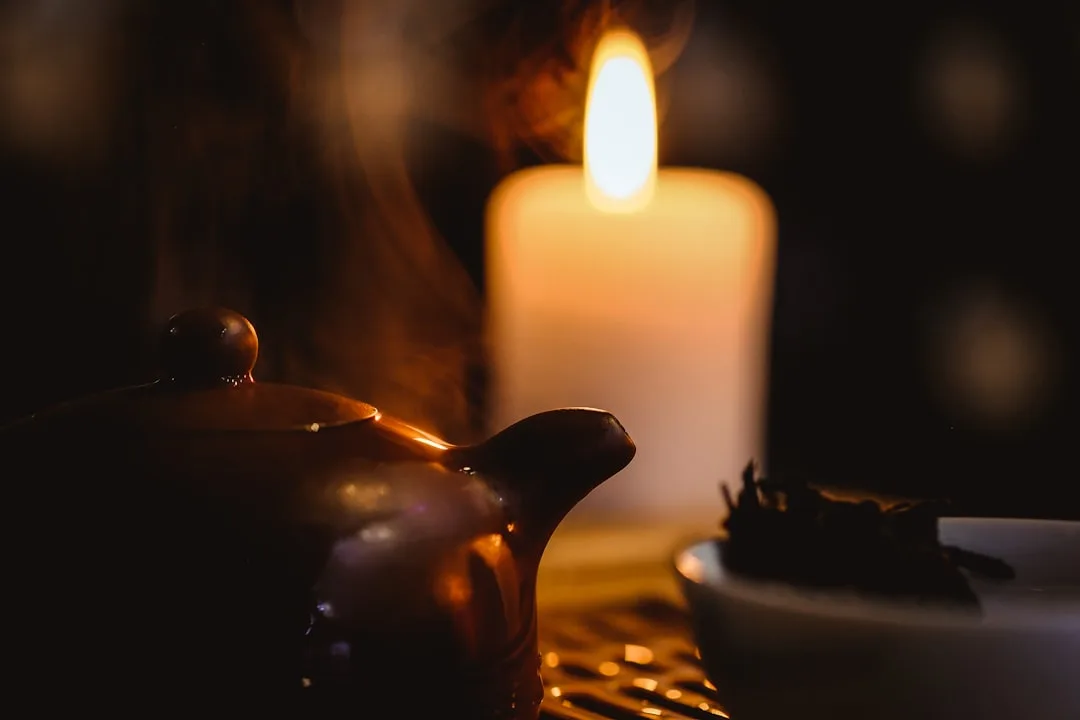
You already know not to buy them another novelty mug or a supermarket tea sampler. Those predictable choices fill charity shop shelves every January. What are good gifts for people who love tea and quiet nights? They’re the unexpected upgrades that transform an ordinary evening ritual into something genuinely restorative—items your recipient would admire in a shop window but never quite justify purchasing for themselves.
This guide deliberately sidesteps the usual suspects: no generic candles, no mass-produced infusers shaped like animals, no subscription boxes stuffed with teas they’ll never drink. Instead, you’ll find 27 carefully selected gifts that respect the ritual, enhance the atmosphere, and acknowledge that a quiet night in isn’t settling for less—it’s a deliberate choice to savour life’s slower pleasures.
The best gifts for people who love tea and quiet nights are items that enhance their evening ritual without cluttering it—think handcrafted kyusu teapots, weighted lap blankets, or a premium loose-leaf collection from a single estate. For smaller budgets, a Japanese tetsubin trivet or beeswax taper candles offer genuine quality they’d rarely buy themselves.
Quick Comparison: Tea Lover’s Gift Guide
| Gift | Price Range | Best For | Personalisation |
|---|---|---|---|
| Kyusu Side-Handle Teapot | £45–£120 | Japanese tea enthusiasts | Limited |
| Weighted Lap Blanket | £35–£70 | Anxiety-prone relaxers | Colour choice |
| Single-Estate Tea Collection | £25–£60 | Quality-focused drinkers | Selection curation |
| Cast Iron Trivet | £15–£35 | Tetsubin owners | Pattern choice |
| Handblown Glass Teacup Set | £30–£80 | Visual aesthetes | Limited |
| Beeswax Taper Candles | £12–£25 | Scent-sensitive recipients | Colour selection |
| Electric Gooseneck Kettle | £50–£90 | Temperature purists | None |
| Cashmere Bed Socks | £25–£45 | Cold-footed readers | Monogramming |
| Gaiwan Set | £25–£65 | Chinese tea explorers | Limited |
| Matcha Bowl (Chawan) | £30–£150 | Matcha ritualists | Artisan selection |
| Japanese Incense Collection | £20–£50 | Subtle scent lovers | Fragrance curation |
| Reading Rest/Book Holder | £20–£40 | Hands-free readers | Wood finish |
27 Thoughtful Gifts They’d Never Buy Themselves
1. Kyusu Side-Handle Teapot — Authentic Japanese Brewing
A kyusu transforms Japanese green tea from pleasant to revelatory. The side handle allows a controlled, meditative pour while the built-in ceramic strainer catches even the finest leaves. Most tea lovers admire these but hesitate at the price for something so specialised. You will love this glass side handle teapot
Best for: Recipients who drink sencha, gyokuro, or hojicha regularly.
Price guidance: £45–£120 for handcrafted Tokoname clay versions.
Personalisation: Choose a glaze colour that suits their kitchen aesthetic.
Practical tip: Tokoname clay improves tea flavour over time—mention this in your card so they understand its unique value.
2. Weighted Lap Blanket — Grounding Without Bulk
Unlike full weighted blankets that overheat or feel restrictive, a lap-sized version offers gentle proprioceptive pressure while leaving arms free to hold a book or mug. It’s the kind of small luxury that quietly transforms an evening routine. You will love this Weighted Lap Blanket
Best for: Anyone who fidgets, feels anxious, or simply craves comfort without commitment.
Price guidance: £35–£70 for quality construction.
Personalisation: Select their preferred fabric texture—velvet, cotton, or linen.
Practical tip: Aim for 1–2kg weight; heavier versions become cumbersome for casual use.
3. Single-Estate Loose-Leaf Collection — Quality Over Variety
Forget samplers with twenty sachets of mediocre tea. A curated set from one exceptional estate—whether Darjeeling first flush, Taiwanese high mountain oolong, or Kenyan purple tea—tells a story and teaches the palate something new.
Best for: Tea drinkers ready to move beyond supermarket bags.
Price guidance: £25–£60 for 100–200g from specialist importers.
Personalisation: Match the tea type to their existing preferences.
Practical tip: Include a tasting note card explaining brewing temperatures and steep times.
4. Cast Iron Tetsubin Trivet — Functional Beauty
Every tetsubin or ceramic teapot needs protection for the table beneath. A cast iron trivet in a traditional Japanese pattern adds visual weight to the tea ritual while serving a practical purpose.
Best for: Existing teapot owners who currently use a folded tea towel.
Price guidance: £15–£35 for authentic designs.
Personalisation: Choose between traditional (pine needle, cherry blossom) or geometric patterns.
Practical tip: Ensure the trivet is enamelled underneath to prevent rust marks on furniture.
5. Handblown Double-Wall Glass Teacups — Visual Theatre
These cups create the illusion of tea floating in mid-air while keeping the exterior cool to touch. For someone who appreciates their tea’s colour—watching pu-erh darken or green tea glow—they’re quietly spectacular.
Best for: Visual aesthetes and anyone who photographs their tea.
Price guidance: £30–£80 for a pair from artisan makers.
Personalisation: Limited, though some makers offer coloured glass bases.
Practical tip: Hand-wash only; dishwashers can stress the double-wall seal.
6. Pure Beeswax Taper Candles — Light Without Intrusion
Unlike paraffin or soy candles, beeswax burns cleanly with a subtle honey scent that doesn’t compete with tea aromas. The warm glow suits quiet evenings without overwhelming sensitive noses—ideal for creating calm spaces.
Best for: Scent-sensitive recipients or those who dislike synthetic fragrances.
Price guidance: £12–£25 for a set of four to six tapers.
Personalisation: Natural golden or bleached white options.
Practical tip: Pair with a simple brass or ceramic holder for a complete gift.
7. Temperature-Control Gooseneck Kettle — Precision Brewing
Boiling water ruins green tea; lukewarm water under-extracts oolong. A variable-temperature kettle with a gooseneck spout offers precise control and a slow, meditative pour—a genuine upgrade for anyone serious about their tea.
Best for: Dedicated tea drinkers who brew multiple types.
Price guidance: £50–£90 for reliable brands.
Personalisation: None typically available.
Practical tip: Look for models with keep-warm functions and clear temperature presets.
8. Cashmere Bed Socks — Evening Armour for Cold Feet
Cold feet ruin relaxation faster than anything. Proper cashmere bed socks—not the flimsy blends—provide genuine warmth without bulk. It’s the sort of self-care upgrade most people won’t justify buying themselves.
Best for: Anyone with perpetually cold extremities.
Price guidance: £25–£45 for pure cashmere.
Personalisation: Monogramming available from some suppliers.
Practical tip: Check washing instructions—many require hand-washing or cashmere-specific detergent.
9. Gaiwan Brewing Set — Chinese Tea Ceremony Essentials
A gaiwan (lidded bowl) offers the most versatile brewing method in Chinese tea tradition. The three-piece set—bowl, lid, saucer—allows gongfu-style brewing with repeated short infusions that reveal a tea’s changing character.
Best for: Adventurous drinkers interested in Chinese tea culture.
Price guidance: £25–£65 depending on porcelain quality.
Personalisation: Choose hand-painted or minimalist designs.
Practical tip: Include a brief gongfu brewing guide if they’re new to the technique.
10. Artisan Matcha Chawan — The Heart of Matcha Ritual
Mass-produced matcha bowls lack the irregular beauty that makes the whisking ritual feel meaningful. A handcrafted chawan from a Japanese potter has weight, texture, and character that factory versions can’t replicate.
Best for: Daily matcha drinkers using a generic bowl.
Price guidance: £30–£150 for artisan pieces.
Personalisation: Each handmade bowl is unique—select the style (Raku, Hagi, Mino).
Practical tip: Wider bowls make whisking easier; narrower ones retain heat better.
If they want the tools to prepare matcha at home rather than a collectible bowl alone, see our four-piece matcha tea set. It is for matcha preparation, not loose-leaf brewing; check the included pieces, finish and current price before choosing it.
A matcha set can also be a gift about a shared routine, not just equipment. Read what a tea set means as a gift before choosing it for someone who prefers loose-leaf tea.
11. Japanese Incense Collection — Subtle Atmosphere
Japanese incense burns cleaner and subtler than Indian varieties, with fragrances like hinoki cypress, sandalwood, or agarwood that complement rather than overpower tea. Short sticks (20–30 minutes) suit evening wind-down perfectly.
Best for: Those who enjoy ambient scent without headache-inducing intensity.
Price guidance: £20–£50 for curated sets from makers like Shoyeido or Nippon Kodo.
Personalisation: Select wood-based or floral profiles based on their taste.
Practical tip: Include a simple ceramic incense holder if they don’t have one.
12. Adjustable Wooden Book Rest — Hands-Free Reading
Reading while holding a mug requires either acrobatics or abandoning the tea. A weighted book rest in walnut or oak holds pages open at a comfortable angle, freeing both hands for what matters.
Best for: Avid readers who drink tea simultaneously.
Price guidance: £20–£40 for solid wood construction.
Personalisation: Wood finish choices—natural, oiled, or stained.
Practical tip: Choose a design that accommodates both paperbacks and hardcovers.
13. Tea Timer with Soft Chime — Gentle Brewing Alerts
Standard phone alarms jar the atmosphere. A dedicated tea timer with a soft chime or visual indicator respects the quietude while preventing over-steeping—a small refinement with outsized impact.
Best for: Those who regularly over-steep while absorbed in reading or thinking.
Price guidance: £15–£30 for quality options.
Personalisation: Limited, though colour choices exist.
Practical tip: Sand timers offer a silent, meditative alternative but require watching.
14. Linen Bread Bag for Tea Storage — Breathable Organisation
Tea absorbs odours and moisture relentlessly. A linen storage bag with a drawstring closure offers breathable, lightproof protection for loose-leaf collections—far superior to the tins most people use.
Best for: Serious tea collectors with large loose-leaf stashes.
Price guidance: £12–£25 for quality linen.
Personalisation: Hand-stamping or embroidery available from craft sellers.
Practical tip: Works best for teas consumed within a few months; aged teas need sealed containers.
15. Ceramic Tea Tray with Drain — Gongfu Without Worry
Gongfu brewing involves intentional spillage—rinsing vessels, overflowing pots. A proper tea tray with a drain or reservoir catches the water elegantly, removing the stress of mess from the ritual.
Best for: Anyone practicing or curious about gongfu-style brewing.
Price guidance: £30–£80 depending on material and size.
Personalisation: Bamboo, ceramic, or stone options suit different aesthetics.
Practical tip: Measure their table space—large trays overwhelm small surfaces.
16. Silk Eye Pillow — Weighted Relaxation
Filled with flaxseed and dried lavender, a silk eye pillow offers gentle pressure and darkness that deepens relaxation during or after tea time. It’s the kind of gift that seems indulgent until they use it.
Best for: Tension headache sufferers or anyone who struggles to fully switch off.
Price guidance: £15–£35 for quality silk and natural fillings.
Personalisation: Colour and optional scent additions.
Practical tip: Can be chilled in the fridge or gently warmed for different effects.
17. Cha Xi Cloth Set — Tea Stage Design
Cha xi—the art of tea stage arrangement—uses carefully chosen cloths to create an aesthetic foundation for tea ware. A set of natural linen or hand-dyed cotton runners elevates the visual ritual beautifully.
Best for: Those interested in the aesthetic side of tea ceremony.
Price guidance: £20–£45 for a quality set.
Personalisation: Colour and texture selection.
Practical tip: Natural, muted tones complement most tea ware better than bright colours.
18. Long-Handled Tea Scoop Set — Reaching Deep Caddies
Standard teaspoons don’t reach the bottom of deep tea caddies without finger contact. A set of long-handled bamboo or metal scoops keeps hands out of the leaves and adds a ceremonial touch.
Best for: Loose-leaf drinkers with multiple teas in tall containers.
Price guidance: £10–£25 for a quality set.
Personalisation: Limited—material and handle finish choices.
Practical tip: Bamboo scoops shouldn’t be washed; wipe with a dry cloth only.
19. Digital Reading Thermometer — Water Temperature Precision
For tea lovers without a variable-temperature kettle, an instant-read thermometer offers the same precision at a fraction of the cost. It’s unglamorous but genuinely useful—a gift that respects their craft.
Best for: Dedicated brewers using a standard kettle.
Price guidance: £12–£25 for accurate digital models.
Personalisation: None.
Practical tip: Look for waterproof models with quick response times (under 3 seconds).
20. Pure Wool Shawl — Warmth Without Sleeves
A quality wool shawl wraps around shoulders without restricting arm movement—ideal for reading or holding a teacup. Unlike cardigans or blankets, shawls can be adjusted constantly without fuss, similar to why someone might gift a hoodie for comfort.
Best for: Cold-natured readers and tea drinkers.
Price guidance: £40–£100 for pure wool or cashmere blends.
Personalisation: Colour, pattern, and optional fringing.
Practical tip: Merino wool offers warmth without itch for sensitive skin.
21. Tea Ageing Jar — For Pu-erh and Oolong Collectors
Some teas improve with age, but only in proper storage. A Yixing clay or glazed ceramic ageing jar maintains ideal humidity while allowing subtle air exchange—essential for serious pu-erh enthusiasts.
Best for: Collectors who age pu-erh, white tea, or roasted oolong.
Price guidance: £30–£80 depending on size and material.
Personalisation: Limited—jar style and size.
Practical tip: Don’t mix tea types in one jar; the flavours will cross-contaminate.
22. Cork-Backed Coaster Set — Protection Without Sliding
Hot teapots and cups leave rings on wooden furniture. Quality coasters with cork backing stay put while protecting surfaces—a simple gift that shows you notice the details of their space.
Best for: Anyone with nice wooden tables or furniture.
Price guidance: £15–£35 for a set of four to six.
Personalisation: Engraving, material choice, or custom designs.
Practical tip: Choose absorbent materials like slate or ceramic rather than plastic.
23. Rechargeable Lighter for Candles — Elegant Ignition
Matches scatter debris; standard lighters feel cheap. A slim, rechargeable electric lighter designed for candles offers clean ignition with a satisfying click—a tiny upgrade with disproportionate impact.
Best for: Regular candle users who dislike matches or disposable lighters.
Price guidance: £20–£40 for quality USB-rechargeable models.
Personalisation: Colour and finish options.
Practical tip: Choose models with flexible necks for reaching candles in deep holders.
24. Natural Bristle Teapot Brush — Proper Spout Cleaning
Teapot spouts accumulate tannin deposits that affect flavour. A set of natural bristle brushes in various sizes keeps spouts clean without scratching delicate surfaces—useful for anyone who avoids washing their pot properly.
Best for: Owners of ceramic or glass teapots.
Price guidance: £8–£15 for a quality set.
Personalisation: None.
Practical tip: Avoid using on unglazed Yixing clay, which should never be scrubbed.
25. Ambient Sound Machine — Acoustic Cocooning
For quiet nights in noisy environments, a small sound machine offering rain, fire crackle, or white noise creates an acoustic cocoon. Unlike phone apps, dedicated devices don’t interrupt with notifications, supporting genuine relaxation.
Best for: Urban dwellers or those with noisy neighbours.
Price guidance: £25–£50 for quality units with multiple sound options.
Personalisation: None.
Practical tip: Choose models with adjustable timers and volume controls.
26. Porcelain Tea Pet — Whimsical Companion
Tea pets—small figurines ‘nourished’ by poured tea—develop patina over time and add playful personality to tea sessions. Traditionalists use toads or lions; modern versions include cats, dragons, or abstract shapes.
Best for: Those who enjoy ritual, symbolism, or simply cute objects.
Price guidance: £10–£40 depending on craftsmanship.
Personalisation: Choose a figure that reflects their personality or interests.
Practical tip: Unglazed clay tea pets develop the best patina; glazed versions stay cleaner.
27. Yixing Clay Teapot — The Collector’s Grail
A genuine Yixing purple clay teapot is the ultimate gift for serious tea enthusiasts. The porous clay absorbs tea oils over years of use, gradually improving each brew. It’s a significant investment but one they’ll use for decades.
Best for: Committed tea lovers who would never buy this for themselves.
Price guidance: £80–£300+ for authentic, hand-crafted pieces.
Personalisation: Select the clay type and shape based on their preferred tea style.
Practical tip: Dedicate one pot to one tea type only—mixing flavours defeats the purpose.
What Personality Suits Which Gift?
The Minimalist: Handblown glass teacups, a single Yixing teapot, or pure beeswax candles—clean lines, no clutter, maximum function.
The Ritualist: Gaiwan set, cha xi cloth, matcha chawan—they value process as much as outcome and appreciate ceremonial tools.
The Comfort-Seeker: Weighted lap blanket, cashmere bed socks, silk eye pillow—tactile pleasures that enhance the physical experience of relaxation.
The Aesthete: Artisan chawan, tea pet, Japanese incense—beauty matters as much as function; they curate their space carefully.
The Precision Enthusiast: Variable-temperature kettle, digital thermometer, tea timer—they optimise their brew and appreciate tools that enable control.
How Do You Choose a Gift for Different Quiet Night Situations?
For the stressed professional: Focus on sensory comfort—weighted blanket, eye pillow, ambient sound machine. These gifts don’t require learning; they offer immediate relief.
For the tea ceremony curious: Start with a gaiwan or kyusu rather than a full set. Include brewing instructions so they can learn gradually without overwhelm.
For the cosy reader: Book rest, cashmere socks, and a quality shawl solve the practical problems of reading while warm and holding tea.
For the established collector: A Yixing teapot, tea ageing jar, or single-estate collection expands their practice rather than duplicating what they own. Ask discreetly about their current setup first.
Read Also: How to Ask Someone What They Want Without Ruining the Surprise
Budget Guide for Tea and Quiet Night Gifts
Under £20: Beeswax candles, natural bristle brush set, long-handled tea scoops, tea pet. Small but thoughtful—these gifts show attention without pressure.
£20–£50: Japanese incense collection, weighted lap blanket, book rest, cashmere bed socks, silk eye pillow. The sweet spot for meaningful gifts that feel special.
£50–£100: Kyusu teapot, variable-temperature kettle, handblown glass cups, artisan matcha chawan. Significant upgrades they’d hesitate to buy themselves.
£100+: Yixing clay teapot, premium single-estate collection, high-end cashmere shawl. Investment pieces for recipients you know well and want to genuinely impress—comparable to selecting platinum-level gifts for special occasions.
What Should You Avoid When Gifting to Tea Lovers?
Novelty infusers: Silicone shapes look cute but restrict leaf expansion and result in weak, poorly extracted tea. Serious drinkers won’t use them.
Flavoured tea samplers: Unless you know they love Earl Grey or chai, flavoured teas with artificial additives often disappoint purists.
Electric tea-making machines: These remove the ritual—the meditative pouring, the timing, the involvement—that quiet tea lovers specifically cherish.
Mugs with printed slogans: ‘But first, tea’ merchandise undermines the sophistication of their practice. Avoid anything that treats tea as a personality quirk rather than a genuine interest.
Scented candles with strong synthetic fragrances: These overpower delicate tea aromas and can trigger headaches. If gifting candles, choose unscented or naturally subtle options.
One-size-fits-all gift sets: Generic ‘tea lover’ boxes from department stores rarely contain quality items. Curate individual pieces instead.
How to Choose the Right Gift: A Decision Framework
Step 1: Assess their current setup. Do they already own quality tea ware? Are they using a kettle without temperature control? Do they have adequate cosy elements (blankets, socks, lighting)?
Step 2: Identify the gap. The best gift fills a hole in their ritual they haven’t addressed themselves—often because they can’t justify the ‘indulgence.’
Step 3: Match function to personality. Ritualists want ceremony tools; comfort-seekers want tactile pleasures; precision enthusiasts want measurement and control.
Step 4: Consider maintenance requirements. Some gifts (Yixing teapots, cashmere) require careful handling. Ensure your recipient will appreciate rather than be burdened by care requirements.
Step 5: Add context. A card explaining why you chose this specific item—what you noticed about their habits, what you hope it adds—transforms a nice gift into a meaningful one.
Frequently Asked Questions
What is a unique gift for someone who loves tea?
A kyusu side-handle teapot offers authenticity most tea lovers admire but rarely purchase. For something more unexpected, a tea pet adds whimsy to their ritual while developing character over time through regular tea pours.
How much should you spend on a tea lover’s gift?
Meaningful tea gifts start around £20–£30 for items like Japanese incense or quality storage bags. For significant occasions, £50–£100 secures a genuine upgrade like a variable-temperature kettle or handcrafted chawan.
What do you buy someone who already has everything for tea?
Consumables and atmosphere enhancers work well—a single-estate tea collection they haven’t tried, beeswax candles, or a weighted lap blanket adds to their experience without duplicating equipment.
Are tea subscriptions a good gift?
They can be, but choose carefully. Quality-focused subscriptions from specialist importers work well; generic boxes with low-grade samples disappoint. Consider a one-time curated collection instead for more control.
What’s the best gift for someone who drinks tea every night?
Focus on comfort elements they use alongside tea—cashmere bed socks, a book rest, or a weighted blanket. These items acknowledge their routine as a complete ritual, not just a beverage habit.
Should you gift tea ware or tea itself?
Tea ware lasts longer and won’t duplicate their existing stash. However, if you know their preferences well, a quality single-estate tea they’d never buy themselves can be deeply appreciated.
What colours suit gifts for quiet night lovers?
Muted, natural tones—cream, slate, forest green, warm browns—complement most tea ware and cosy spaces. Avoid bright primaries unless you know their aesthetic. Some may appreciate purple-toned gifts for their calming associations, while others prefer emerald greens for a subtle richness.
Read Also: 24 Inexpensive Gifts For The Woman Who Has Everything