
Personality
29 Best Gifts For People Who Need Stress Relief
Discover what are good gifts for people who need stress relief. 29 thoughtful picks that mark their journey toward calm and self-care mastery.
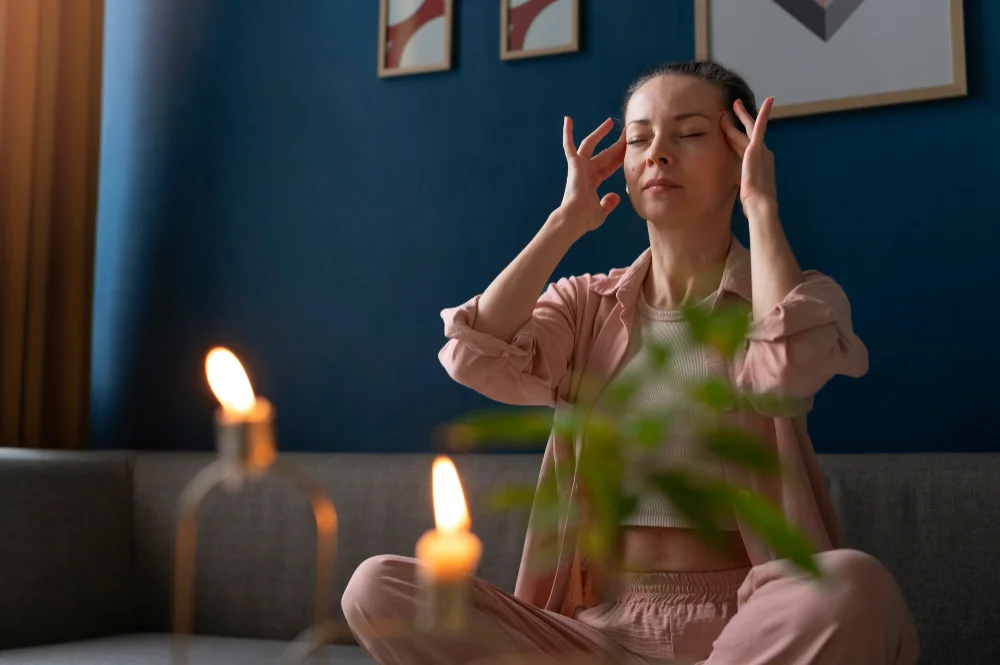
The person in your life who needs stress relief isn’t usually hard to spot. They’re the one who finally admitted they can’t keep running on empty, who’s actively seeking healthier coping mechanisms, or who’s reached a pivotal moment—a promotion, a health scare, a life transition—that’s forced them to prioritise their wellbeing. What are good gifts for people who need stress relief? The answer lies in understanding that they’re not looking for another item to manage; they want tools that recognise how far they’ve come and support where they’re heading.
The best gifts for people who need stress relief are those that mark their commitment to calm: weighted blankets, aromatherapy diffusers, acupressure mats, and mindfulness journals. For someone just starting their wellness journey, choose guided options like meditation subscriptions. For those further along, invest in premium sensory tools they’d hesitate to buy themselves.
Stress Relief Gifts At A Glance: Quick Comparison
| Gift | Price Range | Best For | Personalisation |
|---|---|---|---|
| Weighted Blanket | £50–£150 | Sleep-deprived overthinkers | Weight/fabric choice |
| Aromatherapy Diffuser Set | £30–£80 | Sensory-focused individuals | Oil selection |
| Acupressure Mat | £25–£60 | Physical tension holders | Limited |
| Meditation App Subscription | £50–£70/year | Beginners to mindfulness | Profile customisation |
| Massage Gun | £80–£300 | Active people with muscle tension | Attachment heads |
| Japanese Tea Ceremony Set | £40–£120 | Ritual seekers | Tea variety |
| Sound Machine | £30–£80 | Light sleepers/office workers | Sound selection |
| Gratitude Journal | £10–£30 | Anxious minds | Cover engraving |
| Himalayan Salt Lamp | £20–£50 | Ambience creators | Size/shape |
| Breathwork Course | £30–£100 | Science-minded sceptics | Skill level |
| Luxury Bath Caddy | £35–£80 | Bath ritual devotees | Monogramming available |
| Fidget Ring | £15–£50 | Discreet stress managers | Metal/design choice |
29 Thoughtful Gifts For Stress Relief
1. Weighted Blanket — Deep Pressure For Restless Nights
A weighted blanket applies gentle, distributed pressure that mimics the sensation of being held, triggering the body’s relaxation response. For someone who’s finally acknowledged that their sleep quality affects everything else, this gift marks their commitment to rest as a non-negotiable priority.
Best for: Overthinkers who lie awake, people recovering from burnout, anyone who’s recently prioritised sleep hygiene.
Price Guidance: £50–£150. Choose 10% of their body weight for optimal effect.
Personalisation: Select their preferred fabric (cooling bamboo for hot sleepers, fleece for cold).
Practical Tip: Avoid blankets marketed as ‘one size fits all’—a too-light blanket provides no benefit, while too-heavy feels suffocating.
2. Aromatherapy Diffuser With Essential Oil Collection — Scent As A Calming Anchor
Scent bypasses the thinking brain entirely, making aromatherapy unusually effective for people who struggle to ‘switch off’ through willpower alone. A quality ultrasonic diffuser paired with therapeutic-grade oils (lavender, bergamot, frankincense) creates an instant environmental shift that signals relaxation time. If your recipient appreciates small luxuries, this elevates a daily ritual into something special. You will love to check out this Aromatherapy Diffuser Set
Best for: Sensory processors, work-from-home professionals needing transitions between ‘on’ and ‘off’.
Price Guidance: £30–£80 for diffuser; add £20–£40 for a curated oil set.
Personalisation: Research whether they prefer floral, woody, or citrus notes before selecting oils.
Practical Tip: Avoid diffusers that require heat—they destroy the therapeutic compounds that make the oils effective.
3. Acupressure Mat — Controlled Discomfort That Resets The Nervous System
This isn’t a comfortable gift in the traditional sense—thousands of plastic points press into the skin, forcing the body to release endorphins in response. For someone who’s learned that avoiding discomfort doesn’t equal peace, an acupressure mat represents a milestone in understanding their stress response. Check out this Acupressure Mat
Best for: People who hold tension physically, those interested in Eastern wellness practices, anyone who’s tried everything ‘gentle’ without success.
Price Guidance: £25–£60. The lotus-spike design matters more than brand name.
Personalisation: Limited, but you can pair it with a guided audio track for first-time use.
Practical Tip: Warn them to start with a thin t-shirt between skin and mat—going shirtless immediately often leads to the mat being abandoned.
4. Premium Meditation App Annual Subscription — Guided Calm On Demand
For someone who’s tried meditating alone and struggled, a structured app (Headspace, Calm, Ten Percent Happier) removes the guesswork. An annual subscription says, ‘I believe in your commitment to this practice,’ which matters more than the gift itself.
Best for: Beginners who gave up before, people who respond well to instruction, commuters who need portable tools.
Price Guidance: £50–£70 per year. Family plans offer better value if applicable.
Personalisation: Choose the app based on their learning style—Ten Percent Happier for sceptics, Calm for sleep-focused users, Headspace for visual learners.
Practical Tip: Gift the code directly; don’t set up the account yourself—they need ownership of the practice.
5. Massage Gun — Targeted Muscle Release For Tension Holders
Chronic stress lodges itself in shoulders, necks, and jaws. A percussion massage gun delivers concentrated relief that would otherwise require expensive professional appointments. This gift acknowledges that their stress isn’t ‘just in their head’—it’s measurable, physical, and treatable. You will love this Massage Gun
Best for: Desk workers with upper-body tension, athletes, anyone who clenches their jaw.
Price Guidance: £80–£300. Mid-range Theragun or Hyperice models outperform cheap imitations significantly.
Personalisation: Extra attachment heads for different muscle groups.
Practical Tip: Avoid models with fewer than three speed settings—they either do too little or cause bruising.
6. Japanese Matcha Tea Ceremony Set — Ritual As Medicine
The ceremony matters as much as the tea. Whisking matcha with a traditional bamboo chasen requires presence—you can’t rush it or multitask. For someone who’s learned that slowing down isn’t laziness, this gift honours their transition from productivity obsession to intentional living. Those who already appreciate tea and quiet nights will recognise its value immediately.
Best for: Ritual seekers, coffee-to-tea converts, aesthetically-minded individuals.
Price Guidance: £40–£120 for a complete set including bowl, whisk, and ceremonial-grade matcha.
Personalisation: Include a handwritten note explaining the meditative intention behind the gift.
Practical Tip: Ceremonial-grade matcha tastes smooth; culinary-grade tastes bitter and defeats the purpose.
7. White Noise Sound Machine — Acoustic Boundaries For Overstimulated Minds
Sound machines don’t just mask noise—they create predictable, constant audio that anxious brains find deeply soothing. Unlike phone apps, a dedicated device has no notifications, no temptation to check other things, no blue light disrupting sleep.
Best for: Light sleepers, open-plan office workers, people in noisy homes or urban environments.
Price Guidance: £30–£80. Lectrofan and Marpac Dohm are established favourites.
Personalisation: Some models offer nature sounds; choose based on their preference.
Practical Tip: Travel-sized versions exist for people whose stress spikes during trips away from their controlled environment.
8. Structured Gratitude Journal — Rewiring The Negativity Bias
Gratitude journaling has robust research behind it, but blank notebooks overwhelm anxious minds. A structured journal with specific daily prompts removes the paralysis of choice. For someone who’s recognised that their thought patterns need active intervention, this gift supports that cognitive shift.
Best for: Anxious ruminators, people in therapy who need homework tools, perfectionists paralysed by blank pages.
Price Guidance: £10–£30. The Five Minute Journal and Intelligent Change are popular structured options.
Personalisation: Leather covers can be embossed; include a quality pen to complete the ritual.
Practical Tip: Choose a journal with morning and evening prompts to bookend the day with intentionality.
9. Himalayan Salt Lamp — Ambient Light That Signals Rest
Whether or not the ionisation claims hold up, the practical benefit is undeniable: warm, dim, amber light that signals to the brain that daytime productivity hours have ended. For someone learning to create environmental cues for relaxation, this lamp serves a genuine purpose.
Best for: Evening screen users, people who struggle with the harsh transition from day to night, ambience appreciators.
Price Guidance: £20–£50. Heavier lamps (5-7kg) glow more impressively and last longer.
Personalisation: Available in various shapes; choose one that suits their décor.
Practical Tip: Buy from reputable sellers—cheap fakes are made from regular rock salt and crumble when humid.
10. Breathwork Online Course — Science-Backed Nervous System Control
For the sceptic who dismisses meditation as ‘woo-woo,’ breathwork offers a physiological entry point. Techniques like box breathing and the Wim Hof method produce measurable heart rate changes that satisfy analytical minds while delivering genuine stress relief.
Best for: Data-driven personalities, people who need to understand ‘why’ something works, those who’ve dismissed meditation.
Price Guidance: £30–£100 depending on depth and instructor reputation.
Personalisation: Choose based on their goals—calming (slow breathing) vs energising (Wim Hof style).
Practical Tip: Avoid courses that promise medical outcomes; quality instructors focus on daily practice, not miracle cures.
11. Bamboo Bath Caddy — Infrastructure For Proper Unwinding
The difference between a rushed shower and a restorative bath often comes down to logistics. A bath caddy holds books, tablets, wine glasses, and candles securely—transforming a functional tub into a genuine retreat. This gift says, ‘Your relaxation time deserves proper infrastructure.’
Best for: Bath lovers who currently balance items precariously, readers, anyone who’s been ‘meaning to take more baths.’
Price Guidance: £35–£80. Bamboo resists water damage better than wood; adjustable widths fit more tubs.
Personalisation: Some suppliers offer monogramming.
Practical Tip: Measure their tub width before purchasing—caddy arms need to extend at least 10cm beyond the tub edge.
12. Anxiety Fidget Ring — Discrete Sensory Regulation
Not everyone can excuse themselves for a meditation break. A spinner or textured fidget ring provides socially-invisible stress management for meetings, public transport, or family gatherings. For someone who’s accepted that they need tools rather than willpower, this ring is both practical and symbolic.
Best for: People with anxiety in professional settings, those who pick at skin or nails, discreet stress managers.
Price Guidance: £15–£50. Sterling silver options look like normal jewellery while functioning as fidget tools.
Personalisation: Wide variety of metals, textures, and designs available.
Practical Tip: Test spin smoothness in reviews—cheap rings seize up quickly or make distracting noise.
13. Sunrise Alarm Clock — Gentle Waking For Cortisol Regulation
A jarring alarm triggers an immediate cortisol spike that sets a stressed tone for the entire day. Sunrise alarms simulate dawn with gradually increasing light, allowing a gentler transition to wakefulness. For someone optimising every variable that affects their stress load, this addresses a daily trigger.
Best for: Difficult wakers, winter-affected individuals, anyone whose alarm currently induces dread.
Price Guidance: £40–£150. Lumie and Philips dominate this category with good reason.
Personalisation: Models with sunset simulation offer an evening ritual too.
Practical Tip: Choose a clock with a backup audio alarm—the first few mornings, they may not trust the light alone.
14. Neck and Shoulder Heating Pad — Microwaveable Comfort On Demand
Heat loosens tense muscles faster than almost any other intervention. A weighted, contoured pad that drapes over the shoulders provides targeted relief without the hassle of hot water bottles. The lavender or rice filling adds a gentle sensory dimension.
Best for: Desk workers, people who carry tension in their upper body, cold-natured individuals.
Price Guidance: £15–£40. Wheat-filled options retain heat longest.
Personalisation: Fabric choices range from practical to luxurious velvet.
Practical Tip: Avoid synthetic fillings—they don’t hold or distribute heat as effectively as natural materials.
15. Adult Colouring Book With Premium Pencils — Meditative Focus Without Meditation
Colouring occupies just enough attention to prevent anxious rumination without requiring the cognitive effort of learning something new. For someone who finds seated meditation impossible, this provides a gentle entry point to present-moment awareness.
Best for: People who need to ‘do something’ with their hands to relax, creative types, meditation-resistant individuals.
Price Guidance: £15–£40 for a quality book and pencil set. Johanna Basford designs are particularly intricate.
Personalisation: Choose themes that match their interests—botanical, geometric, animal, architectural.
Practical Tip: Include pencils, not felt tips—pencils allow shading and subtle work that extends the meditative benefit.
16. Indoor Plant With Care Guide — Living Responsibility That Calms
Caring for something alive creates purpose and routine without the demands of a pet. Studies consistently show that indoor plants reduce cortisol levels. For someone building a calmer living environment, a thriving plant becomes a visible marker of their progress.
Best for: People who work from home, those who spend most time indoors, anyone who’s expressed interest in ‘improving their space.’
Price Guidance: £20–£60 depending on plant size and pot quality.
Personalisation: Match the plant to their light conditions and care capacity—snake plants and pothos forgive neglect.
Practical Tip: Always include written care instructions. ‘Low maintenance’ still requires baseline knowledge.
17. Noise-Cancelling Earbuds — Portable Silence On Demand
Sometimes the most powerful stress relief is the ability to remove oneself from sensory overload instantly. Quality noise-cancelling earbuds create a transportable bubble of quiet that can transform commutes, open offices, or even home chaos. If you’re shopping for someone highly sensitive to stimulation, this gift addresses a daily struggle.
Best for: Commuters, open-plan office workers, parents who need occasional escape, sensory-sensitive individuals.
Price Guidance: £100–£300. AirPods Pro and Sony WF-1000XM models lead in active noise cancellation.
Personalisation: Engravable cases available from Apple and third-party sellers.
Practical Tip: Battery life matters more than sound quality for stress-relief purposes—dead earbuds are useless earbuds.
18. Luxury Eye Mask — Total Darkness For Deeper Rest
Light disrupts melatonin production, making sleep lighter and less restorative. A moulded, blackout eye mask creates genuine darkness regardless of street lights, early sunrises, or partner’s screen time. This small gift addresses a surprisingly significant sleep variable.
Best for: Light-sensitive sleepers, travellers, shift workers, anyone sleeping in imperfect conditions.
Price Guidance: £20–£50. Contoured designs that don’t press on the eyes feel dramatically better than flat masks.
Personalisation: Silk options feel more luxurious and prevent skin creases.
Practical Tip: Adjustable straps matter more than they seem—a too-tight mask causes headaches that defeat the purpose.
19. Foam Roller — Self-Myofascial Release For Stored Tension
Stress accumulates in fascia and muscle tissue, creating pain that perpetuates the stress cycle. A foam roller allows self-administered deep tissue work that would otherwise require appointment booking and expense. For someone committed to managing their physical stress response, this is practical equipment.
Best for: Anyone with back tension, athletes, people who sit for long periods.
Price Guidance: £15–£45. Medium density suits most users; hard rollers can bruise beginners.
Personalisation: Limited, but textured rollers target different areas.
Practical Tip: Include a basic instructional video link—uninstructed rolling can cause more harm than good.
20. Magnesium Bath Salts — Mineral Absorption For Muscle Relaxation
Magnesium deficiency is common and contributes to muscle tension, poor sleep, and anxiety. Epsom salt baths allow transdermal absorption while providing a reason to actually use the bath rather than just shower. This gift is functional wellness packaged as self-care.
Best for: People who report muscle cramps, poor sleep, or heightened anxiety—all potential magnesium deficiency symptoms.
Price Guidance: £10–£30 for generous quantities. Westlab and Dr Teal’s offer quality options.
Personalisation: Available unscented or with essential oil blends; choose based on their scent tolerance.
Practical Tip: Recommend 20-minute soaks minimum—shorter baths don’t allow adequate absorption.
21. Puzzle Subscription Box — Problem-Solving Flow States
Flow states—that absorbed, timeless feeling during engaging activity—are profoundly restorative. Monthly puzzle subscriptions (jigsaws, mechanical puzzles, logic games) provide regular opportunities for this kind of focused escape without screen involvement.
Best for: Analytical minds who relax through problem-solving, people seeking screen-free evening activities.
Price Guidance: £15–£35 per month. 3-month gift subscriptions allow trial without long commitment.
Personalisation: Choose puzzle type based on their preferences—some people hate jigsaws but love logic puzzles.
Practical Tip: Check puzzle difficulty ratings—too easy bores; too hard frustrates and adds stress.
22. Yoga Bolster — Supported Restorative Practice
Restorative yoga relies on props to hold the body in passive positions for extended periods, triggering deep nervous system relaxation. A proper bolster makes positions accessible that are impossible with improvised cushions. For someone whose yoga practice has evolved beyond power flows, this supports their gentler direction.
Best for: Yoga practitioners exploring restorative practice, people with chronic pain, anyone who finds active exercise exhausting rather than energising currently.
Price Guidance: £35–£70. Rectangular bolsters suit more positions than cylindrical ones.
Personalisation: Cover colours and patterns vary widely.
Practical Tip: Buckwheat filling holds shape better than foam; removable covers allow washing.
23. Herbal Sleep Tea Collection — Evening Ritual In A Cup
The ritual matters as much as the herbs. A curated collection of caffeine-free teas (chamomile, valerian, passionflower, lemon balm) provides variety that maintains interest in the evening wind-down practice. Presentation matters—loose leaf in tins feels more ceremonial than teabags.
Best for: People building evening routines, coffee-dependent individuals trying to reduce evening caffeine, ritual appreciators.
Price Guidance: £25–£60 for a quality collection.
Personalisation: Include a small teapot or infuser if they don’t own one.
Practical Tip: Loose leaf tea forces the slower preparation process that constitutes half the benefit.
24. Gel Eye Masks For Cold Therapy — Immediate Relief For Tension Headaches
Cold therapy constricts blood vessels around stressed eyes and temples, providing surprisingly effective headache and migraine relief. Gel masks stored in the freezer offer on-demand cold therapy without the hassle of ice packs or frozen vegetables. For someone who frequently experiences stress-triggered headaches, this is a practical intervention.
Best for: Migraine sufferers, people who get tension headaches from screens, anyone whose stress manifests around the eyes.
Price Guidance: £10–£25. Weighted versions provide additional pressure relief.
Personalisation: Limited beyond colour choice.
Practical Tip: Buy two—one can be in the freezer ready while the other is in use or warming up.
25. Standing Desk Converter — Posture Intervention For Office Stress
Sitting all day compresses the spine, rounds shoulders, and creates physical stress that compounds mental strain. A standing desk converter allows alternating between positions, addressing the physical component of work-related stress without requiring furniture replacement.
Best for: Desk workers who report back pain, people who feel ‘trapped’ by their workstation, anyone who’s mentioned wanting to stand more.
Price Guidance: £100–£300. Pneumatic lift mechanisms outperform manual ones significantly.
Personalisation: Measure their desk and monitor setup before purchasing.
Practical Tip: Include an anti-fatigue mat—standing on hard floors causes its own problems.
26. Kinetic Sand Kit — Tactile Stress Release
Sometimes stress relief needs to be satisfyingly physical. Kinetic sand—that oddly compelling moldable sand that never dries out—provides tactile stimulation that engages the hands while freeing the mind. It’s desktop-friendly, mess-free, and surprisingly effective.
Best for: Tactile processors, people who fidget during calls or meetings, anyone who finds traditional stress balls insufficient.
Price Guidance: £15–£35 including moulds and containers.
Personalisation: Available in various colours.
Practical Tip: The original branded Kinetic Sand performs noticeably better than imitations that can dry out or crumble.
27. Float Spa Voucher — Sensory Deprivation For Deep Reset
Floating in a lightless, soundless pod of body-temperature Epsom salt water removes all sensory input, allowing the nervous system to reset completely. For someone who’s reached a level of burnout that requires radical intervention, a float session marks serious investment in their recovery. Consider this alongside other experience-based gifts that prioritise rest over material acquisition.
Best for: Severely burned-out individuals, meditation practitioners seeking deeper states, anyone whose stress has become unmanageable with standard techniques.
Price Guidance: £50–£80 per session. Packages of 3 sessions allow them to give it a proper trial.
Personalisation: Check for spa locations convenient to their home or workplace.
Practical Tip: First-time floaters often find the first 20 minutes challenging—warn them and encourage persistence.
28. Blue Light Blocking Glasses — Digital Strain Intervention
Evening screen exposure suppresses melatonin and contributes to the wired-but-tired state that characterises modern stress. Blue light glasses filter the wavelengths responsible without requiring device settings changes or complete screen avoidance—a practical compromise for the realistic modern life.
Best for: Evening screen users, people who report poor sleep despite tiredness, anyone resistant to ‘no screens before bed’ advice.
Price Guidance: £25–£80. Non-prescription options widely available; prescription versions exist too.
Personalisation: Frame styles range from subtle to bold.
Practical Tip: Choose amber lenses for evening use—clear ‘blue light’ glasses filter minimally and show less measurable effect.
29. Binaural Beats Headphones Set — Brainwave Entrainment Technology
Binaural beats use slightly different frequencies in each ear to encourage brainwave states associated with relaxation, focus, or sleep. For the tech-inclined person who wants stress relief backed by measurable mechanisms, this gift combines their analytical nature with genuine therapeutic benefit.
Best for: Technology enthusiasts, people who need ‘proof’ before believing, those who’ve tried meditation and found it too passive.
Price Guidance: £50–£150 for quality stereo headphones; pair with a Brainwave app subscription.
Personalisation: Choose headphone style based on their use case—over-ear for home, in-ear for travel.
Practical Tip: Proper binaural beats require stereo separation—they don’t work through speakers, only headphones.
Matching Stress Relief Gifts To Personality Types
Understanding how someone experiences and expresses stress determines which gifts will actually get used rather than gathering dust.
The Overthinker: Needs tools that occupy the busy mind—structured journals, intricate colouring books, puzzles that require focus. Avoid gifts requiring empty stillness, which feels like punishment.
The Physical Tension Holder: Stress lives in their shoulders, jaw, and back. Massage guns, heating pads, foam rollers, and acupressure mats address the somatic symptoms directly.
The Sensory Sensitive: Easily overwhelmed by stimulation. Noise-cancelling earbuds, weighted blankets, and aromatherapy create controlled sensory environments. Gifts that create calm visual aesthetics often appeal here too.
The Ritual Seeker: Finds comfort in repeated practices. Tea ceremonies, bath rituals, morning journaling, and evening wind-down routines provide structure that soothes.
The Sceptic: Needs scientific explanation before trying anything ‘alternative.’ Breathwork courses, binaural beats, and cold therapy come with measurable physiological mechanisms they can research.
The Busy Resister: Claims no time for self-care. Portable tools—fidget rings, noise-cancelling earbuds, eye masks—integrate into existing life rather than requiring additional time blocks.
What Gift Suits Different Stress Situations?
Context shapes which gifts prove most useful. Someone managing work deadline stress needs different tools than someone processing grief or navigating a health journey.
Work Burnout: Standing desk converters, noise-cancelling earbuds, and clear boundaries tools. Address the environment perpetuating the stress.
Sleep Disruption: Weighted blankets, sunrise alarms, eye masks, and herbal tea collections target the sleep-stress cycle directly.
Anxiety: Fidget tools, breathwork courses, and gratitude journals address the racing thoughts and catastrophic thinking patterns.
Post-Illness Recovery: Gentle options like restorative yoga bolsters, gentle plants to nurture, and bath products support healing without demanding energy.
Life Transition Stress: Float spa vouchers, meditation subscriptions, and journaling tools provide space to process change.
Caregiving Exhaustion: Portable relief tools they can use in stolen moments—eye masks, fidget rings, aromatherapy rollerballs. Someone caring for others rarely has time for elaborate rituals.
Budget Guide For Stress Relief Gifts
Meaningful stress relief gifts exist at every price point. Effectiveness doesn’t correlate directly with cost.
Under £25: Gratitude journals (£10–£20), magnesium bath salts (£10–£25), gel eye masks (£10–£20), kinetic sand kits (£15–£35). These budget options often get more use than expensive alternatives because they’re low-stakes to try.
£25–£75: Aromatherapy diffusers (£30–£80), acupressure mats (£25–£60), sleep tea collections (£25–£60), sunrise alarm clocks (£40–£75), yoga bolsters (£35–£70). This mid-range provides quality without excessive investment.
£75–£150: Weighted blankets (£50–£150), massage guns (£80–£150), noise-cancelling earbuds (£100–£150), standing desk converters (£100–£150). These larger gifts mark significant milestones or special occasions.
£150+: Premium massage guns (£200–£300), high-end earbuds (£200–£300), float spa packages (£150–£250 for multiple sessions). Reserve for recipients who’ve demonstrated serious commitment to their stress management journey or for premium occasions.
What To Avoid When Buying Stress Relief Gifts
Good intentions backfire when the gift adds pressure rather than relieving it.
Avoid complicated gadgets with steep learning curves. A complex meditation device requiring app setup, account creation, and firmware updates creates new stress before delivering any benefit.
Avoid guilt-inducing gifts like gym memberships or fitness trackers that imply they should be doing more. Stress relief gifts should feel like permission to rest, not another item on the to-do list.
Avoid overly spiritual gifts unless you’re certain they’re receptive. Crystals, singing bowls, and oracle cards can feel patronising to sceptics and create awkwardness rather than connection.
Avoid gifts requiring significant lifestyle changes. Someone stressed doesn’t have bandwidth to learn new habits. Choose tools that slot into existing routines.
Avoid cheap versions of premium concepts. A £15 ‘massage gun’ that vibrates weakly disappoints; a £20 ‘weighted blanket’ that weighs 3kg doesn’t work. Some gifts only function when executed properly.
Avoid gifts that demand consistency before delivering benefits. Daily streak apps and month-long programmes add pressure. Choose gifts that provide immediate relief without requiring commitment.
How To Choose The Right Stress Relief Gift
Follow this decision framework to match gift to recipient:
Step 1: Identify their stress type. Is it mental (racing thoughts, anxiety), physical (tension, insomnia), environmental (noise, overstimulation), or circumstantial (work, caregiving, transition)?
Step 2: Assess their coping style. Do they relax through stillness or activity? Solitude or connection? Sensory engagement or sensory withdrawal?
Step 3: Consider their commitment level. Are they just acknowledging stress exists, actively seeking solutions, or deeply committed to a wellness practice? Match gift sophistication to their journey stage.
Step 4: Factor in their environment. Where will they use this gift? Home only, or do they need portable options? Do they have space for equipment or are compact tools better?
Step 5: Choose quality over quantity. One well-chosen gift outperforms a ‘spa basket’ of mediocre items. Focus on one meaningful tool rather than scattering attention.
Frequently Asked Questions About Stress Relief Gifts
What is the best gift for someone with high anxiety?
Weighted blankets and breathwork courses consistently help high-anxiety recipients. The blanket provides immediate physical comfort during acute anxiety, while breathwork gives them a portable tool they can use anywhere. Avoid gifts requiring sustained focus—anxious minds often can’t maintain attention on meditation apps or complex rituals.
Are expensive stress relief gifts worth the investment?
Effectiveness doesn’t scale linearly with price. A £60 weighted blanket works as well as a £150 one if the weight is correct. However, certain categories—massage guns, noise-cancelling earbuds—show dramatic quality differences between budget and mid-range options. Research specific product categories rather than assuming expensive equals effective.
What stress relief gifts work for men specifically?
Men often respond better to equipment-framed gifts than self-care-framed ones. Massage guns, foam rollers, standing desk converters, and binaural beats headphones appeal to those uncomfortable with ‘pampering’ language while delivering identical stress relief benefits. The mechanism matters more than the marketing. Those seeking masculine gift aesthetics can find stress relief tools in appropriate designs.
Can stress relief gifts actually help or are they just tokenistic?
The research is clear: weighted blankets reduce cortisol, aromatherapy affects heart rate variability, and structured journaling measurably shifts thought patterns. However, no gift replaces professional support for clinical anxiety or depression. These gifts supplement a stress management approach; they don’t substitute for therapy when therapy is needed.
What’s a good last-minute stress relief gift?
Digital gifts deliver instantly: meditation app subscriptions, breathwork course access, float spa e-vouchers, or audiobook credits for stress-relief titles. Physical same-day options include quality candles, bath salts, or herbal teas from local shops. Avoid promising delayed delivery of something ‘better’—immediate gesture matters more than perfection.
How do I know if someone would actually use a stress relief gift?
Listen for complaints: ‘I can never sleep,’ ‘My shoulders are constantly tight,’ ‘I can’t switch off.’ These reveal which stress symptoms they’re most aware of and therefore most likely to address with the right tool. Avoid guessing at problems they haven’t acknowledged—unwanted wellness gifts imply criticism.
What’s the most universally appreciated stress relief gift?
Weighted blankets have the broadest appeal—they require no learning curve, work immediately, and feel like a luxury rather than a prescription. Most recipients who try them become devoted users. The only exceptions are those who run hot or feel claustrophobic under weight.
Read Also: 31 Best Gifts For An Anxious Friend: Practical Relief