Hobbies
12 Gifts for Puzzle Lovers, From Jigsaws to Crosswords
Find gifts for puzzle lovers by puzzle type, space and difficulty. Compare jigsaws, storage, crosswords and logic games before buying another box.
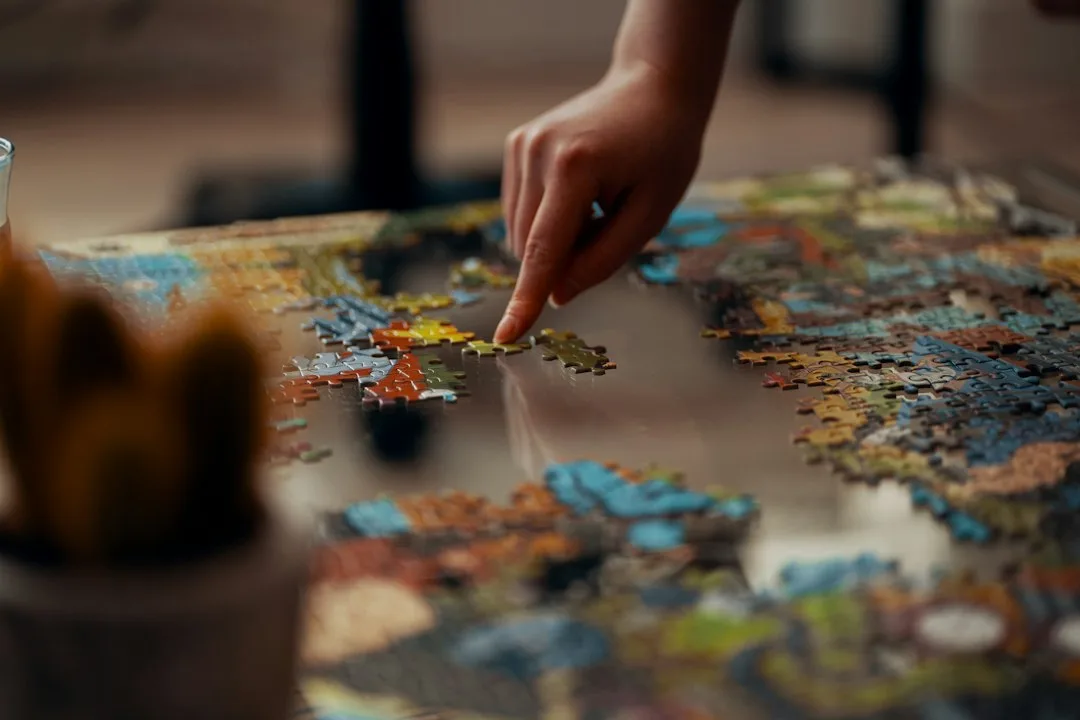
Someone can love the newspaper crossword and have no interest in a thousand-piece jigsaw. Another person may spend evenings building puzzles but never want to solve a timed riddle. “Puzzle lover” is a starting clue, not a complete shopping brief.
The best gifts for puzzle lovers match the puzzles they actually enjoy and the space they have: a well-chosen jigsaw, a correctly sized storage board, a crossword collection, a mechanical puzzle, or a solo logic game. Check format, difficulty, finished size, and existing equipment before buying. More pieces and greater difficulty are not automatically better.
First, Find Out What Kind of Puzzler They Are
This guide separates puzzle types and practical constraints. It does not rank products from hands-on testing or promise that a leisure activity will improve memory or treat stress.
| What they enjoy | Good direction | Important question |
|---|---|---|
| Jigsaws | A suitable image or a storage solution | Where will the unfinished puzzle live? |
| Crosswords and word puzzles | A collection or chosen publication | Which style, language, and difficulty? |
| Mechanical puzzles | A well-described challenge | Do they enjoy disassembly, sequences, or discovery? |
| Solo logic games | A game with manageable setup | Do they want short sessions or a long project? |
| Shared puzzle experiences | A suitable event or cooperative game | Who will join, and can they attend? |
A discreet photograph of the puzzles they already own, taken with permission, can help avoid duplicates. If you are close enough to ask, request a few favorites and one thing they do not want. That is more informative than asking whether they like a challenge.
12 Gifts for Different Puzzle Habits
1. A Jigsaw With an Image They Want to Spend Time With
Choose the picture as carefully as the piece count. Consider subjects they enjoy, distinct areas of color, and how repetitive the image looks. A landscape they love can still be frustrating if most of it is nearly identical sky and water.
Do not treat difficulty as a measure of intelligence. Some puzzlers want a relaxing familiar format; others seek a demanding project. Ask which experience they want this time.
2. A Storage Board Sized for the Finished Puzzle
Check the puzzle’s listed finished dimensions against the usable board area, not simply a marketing claim about piece capacity. Leave room for the border and the way the recipient works. Also check where the board will be stored.
Ravensburger’s puzzle FAQ notes that its finished dimensions are approximate. Avoid a storage choice with no practical margin, and do not assume all puzzles with the same piece count have the same shape.
3. Sorting Trays That Nest or Stack
Trays can suit someone who sorts pieces by color or section and needs to clear a table. Check the number, depth, footprint, and whether lids or stacking features are included. Product photos can make a small set look larger than it is.
Skip them if the recipient already has a system they like. Repurposed shallow containers may already do the job, and a gift does not need to replace a workable habit.
4. A Roll-Up Mat, Only for Someone Who Wants That Method
A mat can offer another storage approach, but not everyone likes rolling an unfinished puzzle. Check the usable area, included tube or support, fastening method, and instructions. Ask how the recipient currently protects a work in progress.
Do not claim a mat guarantees that every piece stays in place. Storage performance depends on the product, puzzle, and handling. If the recipient wants a flat surface, buy for that preference instead.
5. A Crossword Collection in the Right Style
Check whether they enjoy quick, cryptic, themed, or another crossword style. Look at a sample page, print size, answer format, and regional spelling. A collection from a familiar setter or publication can reduce the guesswork.
A specialist cryptic book is not an automatic upgrade from an accessible daily crossword. If you are unsure, offer a choice rather than buying the hardest cover description you can find.
6. A Word-Puzzle Book With a Comfortable Layout
Word searches, codewords, and other word games suit different habits. Choose a format they already enjoy and check whether the answers are included. A spiral or other convenient binding may matter for a commuter or someone solving at a small table.
For a recipient who reads and writes left-handed, ask about binding preference rather than assuming it. Our left-handed gift guide explains task-specific fit checks.
7. A Mechanical Puzzle With a Clear Difficulty Description
Look for a maker’s explanation of the goal, age guidance, materials, and whether a solution is available. Some people enjoy discovering how an object opens; others prefer visible rules. Those are different pleasures.
Avoid tiny components where they would be unsuitable for the household. Present the puzzle as optional play, not a public test the recipient must solve while everyone watches.
8. A Solo Logic Game With Short Challenges
A compact challenge-based game can suit someone who wants a defined start and finish rather than a table occupied for days. Check the specific edition’s age range, challenge structure, and included components.
ThinkFun’s Rush Hour information describes a single-player logic-game format. Use that as a format example, not a claim that every puzzle lover wants it or that all editions suit the same age.
9. A Cooperative Puzzle Game for a Known Group
Choose a player count and session length that fit the people who will actually join. Check whether components are used up, written on, cut, or otherwise changed during play. That affects whether a used copy is complete or replayable.
Do not give a game that quietly requires the recipient to host an event. Offer to arrange a convenient session if that would be welcome, and accept that they may prefer a solo activity.
10. A Puzzle Event or Escape-Room Contribution
Ask about the theme, difficulty, accessibility information, age restrictions, and date before booking. Check whether the price covers one person, a team, or only part of the booking. A contribution should not pressure the recipient into an expensive additional purchase.
For someone who dislikes confinement, time pressure, or scary themes, choose another format. Enjoying a crossword does not establish that they want a live escape-room experience.
11. A Custom Photo Puzzle With a Suitable Image
Choose a photo the recipient likes and has agreed can be used. Check the provider’s image-resolution requirements, cropping preview, piece count, and finished size. A favorite picture with distinct details can be more enjoyable than a very dark group photo.
Allow time to review the preview, and check the policy for personalized items. Do not assume the standard return conditions cover a custom product.
12. A Practical Reading Light for Paper-Puzzle Sessions
A small light may suit someone who solves printed word puzzles in a particular chair or while traveling. Check how it attaches, where it will point, and whether it suits the actual page. It is not a replacement for a suitable large-table lighting setup.
GiftsMedia sells the clip-on option below. The placement is based on its listed features and this use case, not independent testing or a claim about eyesight.
Measure the Space Before Buying the Equipment
For jigsaw accessories, take three measurements: the table’s usable area, the puzzle’s approximate finished size, and the storage space available when the table needs clearing. A board that fits the puzzle but not the cupboard can solve one problem while creating another.
Ask whether the recipient works alone, spreads pieces widely, or shares the surface. A tight footprint can feel inconvenient even when the finished rectangle technically fits. If dimensions are uncertain, give the puzzle first and let them choose equipment afterward.
What We Would Skip Without Asking
Avoid permanent puzzle glue or framing equipment unless the recipient wants to display finished work. Some people enjoy taking a puzzle apart and passing it on. Also avoid enormous piece counts, difficult monochrome images, and subscriptions that assume a pace they have not chosen.
When you want a lighter gift, choose one well-matched puzzle rather than a themed bundle full of mugs, slogans, and duplicate tools. For a broader no-clutter approach, see minimalist gifts people actually want.
If the person also enjoys books, our reader gift ideas offer another route. The best choice may support the way they spend an evening rather than add more equipment to the hobby itself.
Puzzle Gift Questions
What should I buy a puzzle lover who already owns many puzzles?
Ask about duplicates and their current setup. A requested puzzle, correctly sized storage accessory, or different format they want to try may work. Do not assume owning many puzzles means they need more tools or a harder challenge.
Is a 1,000-piece puzzle always a safe gift?
No. Consider the recipient’s preference, available table space, image, and finished dimensions. A smaller puzzle they want can be a better present than a large one that has nowhere to live.
Should I buy puzzle glue with a jigsaw?
Only if they want to preserve and display it. Some puzzlers prefer dismantling or exchanging completed puzzles. Glue is a specific finishing choice, not a necessary part of every jigsaw gift.