
Hobbies
10 Gifts for Left-Handed People Worth Checking for Fit
Choose gifts for left-handed people by the task, not a novelty label. Check scissors, mice, notebooks and craft tools with a practical fit checklist.
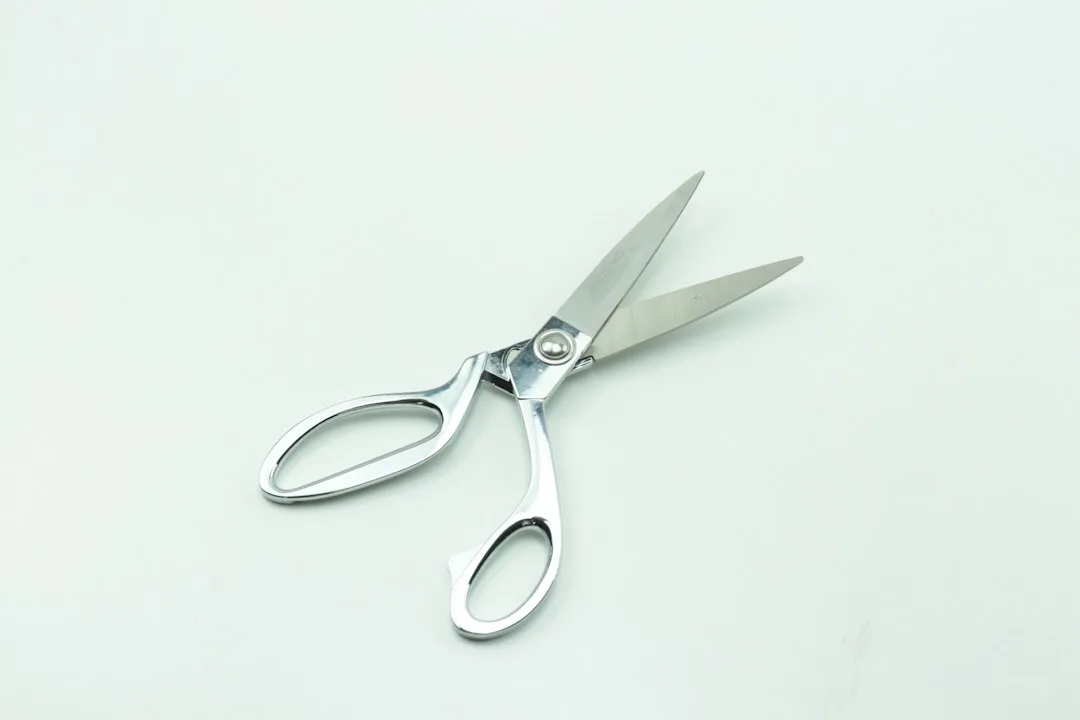
A left-handed person may already have a perfectly good way to write, cook, work, and make things. The most useful gift starts with a task they would like to make easier, not the assumption that everything they own needs replacing.
The best gifts for left-handed people solve a specific fit problem: true left-handed scissors, a correctly oriented mouse, a notebook without an awkward binding, or a tool designed for the way they use it. Ask which hand they use for that activity and what bothers them about their current setup. A “lefty” label alone does not establish a good fit.
Left-Handed, Ambidextrous, and Just Differently Shaped
These are selection ideas based on design features and recipient preferences, not a hands-on product ranking or medical advice. There is no reason every gift for a left-handed person must be about handedness.
Look for an explanation of what changes in the product. Does the blade orientation reverse? Are the buttons reachable from the other side? Is a shaped grip made for a particular hand? Or is the only difference a printed joke?
Ambidextrous can be useful when a design genuinely works from either side, but it is not a substitute for checking the task. A neutral notebook and a purpose-built cutting tool solve different problems. Do not assume the most specialized item is always the best.
Ask: “Is there anything you use left-handed that you wish worked differently?” This gives the recipient room to name a genuine frustration or tell you they do not need an adaptation at all.
10 Gift Ideas Worth Checking Against Their Routine
1. True Left-Handed Scissors for Their Actual Task
Check the blades as well as the handles. Fiskars describes its left-handed scissors as having reversed blades and handles designed for left-handed users. That is a meaningful construction detail, not simply a different color.
Choose paper, fabric, kitchen, or children’s scissors according to the intended use and maker’s guidance. A craft pair is not automatically suitable for food preparation. For a child, check the age recommendation and supervision needs rather than buying an adult tool with a left-handed label.
2. A Mouse That Matches the Hand They Mouse With
Some left-handed people use a mouse in the right hand; others prefer the left. Ask before purchasing. Check the side-button placement, operating-system compatibility, connection method, and return conditions.
Logitech lists a left-handed Lift option and describes the model as fitting small-to-medium hands. That makes handedness and size separate checks. Do not buy it as a promised treatment for pain or assume a vertical shape suits everyone.
3. A Top-Bound Notebook
For someone whose hand meets a side spiral, a top-bound notebook may remove the obstruction. Ask about paper size, ruling, and how they position the page. A large pad can be awkward on a small desk even if the binding is convenient.
Buy one to try rather than a bulk pack. If their existing notebook already works well, a new format may be unnecessary. Good gifting can mean restocking the format they chose rather than introducing a supposed upgrade.
4. A Lay-Flat Notebook Without a Bulky Spine
A notebook that opens conveniently can be another option for someone who dislikes a raised binding. Check the actual construction, page layout, and whether the maker describes how it opens. Product photography alone may not show how stiff the spine feels.
Do not promise a notebook eliminates smudging. Ink, paper, writing position, and the writer’s habits all matter. If they already enjoy journaling, use our journaling gift guide to choose around their preferred practice.
5. A Small Pen Sample Set They Choose
Ask what they use now and what they want to change: drying time, tip feel, grip, or refill availability. A modest selection of suitable options can be better than an expensive engraved pen whose performance they cannot try first.
Check the manufacturer’s ink information, but do not turn “quick-drying” marketing into a guarantee of no smearing. Avoid irreversible personalization until the recipient knows they like the pen. A refill for their established favorite may be the stronger gift.
6. A Left-Handed or Suitable Symmetric Peeler
For someone who cooks often, ask whether their current peeler is actually inconvenient. Check whether the blade is intended for left-handed use or works in both directions, and whether the shape fits their preferred peeling motion.
Do not infer handedness from a listing photograph. Read the maker’s instructions and choose a returnable option if fit is uncertain. A sharp tool should come with its original guidance, not just a novelty wrapper about lefties.
7. A Measuring Tool With a Readable Orientation
A ruler, tape measure, or sewing measure can be useful if the recipient has mentioned an awkward reading direction. Ask which way they measure, where they start, and whether they work in metric, imperial, or both.
Check markings and increments rather than assuming reversed numbers help everyone. A specialist measure that conflicts with a familiar workflow can create more effort than it removes. Let the task determine the design.
8. Craft Equipment With a Documented Left-Handed Setup
A crafter may appreciate a cutter, drawing tool, or other item with a manufacturer-supported left-handed configuration. Ask for the exact tool and model. Check whether any adjustment is required and whether the manufacturer explains it.
Do not improvise a blade conversion or buy an unfamiliar sharp tool because a marketplace seller calls it universal. If you do not understand the setup, a gift contribution toward the recipient’s chosen equipment is safer than guessing.
9. A Lesson With an Instructor Who Can Adapt the Demonstration
For an activity they want to learn, ask the instructor how they teach left-handed participants. A guitar, craft, or sports lesson may involve more than mirroring the teacher’s hand. Confirm the equipment needed, the level, and whether the recipient wants that approach.
Do not buy specialized equipment first and then expect them to learn around it. A gift lesson should support their goal, not set a new one for them.
10. Credit Toward a Tool They Have Already Chosen
When fit matters and you cannot verify it, contributing to an exact requested item can be the thoughtful option. Check that the shop serves their location, carries the model, and accepts the credit for that purchase.
Make clear that there is no pressure to spend beyond the contribution. If the item costs far more than your budget, discuss the gift first rather than leaving them with a balance they feel obliged to top up.
A Five-Minute Fit Check Before Buying
| Gift type | Ask the recipient | Verify with the maker |
|---|---|---|
| Scissors or cutting tool | What do you cut, and with which hand? | Blade orientation and intended use |
| Mouse | Which hand, size, and grip do you prefer? | Left version, buttons, connection, and compatibility |
| Notebook | Does the binding get in your way? | Binding, paper format, and opening behavior |
| Pen | What do you like about your current pen? | Ink type, tip, refills, and return terms |
| Craft or measuring tool | Which task and exact setup? | Supported orientation, markings, and instructions |
Keep the packaging and receipt until the recipient has checked the fit. This matters more for an unfamiliar tool than decorative personalization. If you cannot return a customized item, wait to add a name or engraving.
Gifts We Would Not Choose on Handedness Alone
A slogan mug may be fun for someone who enjoys left-handed jokes, but it does not solve a practical problem. Kitchen knives, instruments, specialist sports equipment, and expensive computer tools need more context than a general identity label.
Avoid claims that a product corrects left-handedness, makes someone more intelligent, or prevents a medical condition. The person is not a problem to fix. The aim is to choose equipment they enjoy using, or simply a gift related to another interest.
If they would rather receive something unrelated to handedness, explore gifts for puzzle lovers or gifts for readers. An interest can tell you more than which hand they write with.
How to Ask Without Spoiling Everything
Try: “I’d like to get you something for your craft setup. Is there one tool you wish worked better, or would you prefer something completely different?” You can keep the final item, color, or presentation a surprise without guessing the essential fit.
If they say their current setup is fine, believe them. Do not buy a replacement as a demonstration that you know what they should use. A chosen refill, a shared experience, or a personal note may be better received.
Left-Handed Gift Questions
Are left-handed scissors different from ordinary scissors?
True left-handed models can reverse blade orientation as well as adapt the handles. Check the manufacturer’s description for the exact pair. A left-handed label or comfortable handle alone does not explain how the blades are arranged.
Does every left-handed person want a left-handed mouse?
No. People may use different hands for writing, computing, cooking, and other activities. Ask which hand they use for the particular task and whether they want a change.
What is a low-risk gift if I cannot check fit?
An exact requested refill, a suitable shop contribution agreed in advance, or a gift connected to another known interest can work. Avoid guessing on expensive or personalized equipment that cannot easily be returned.