
Hobbies
17 Gifts for Someone Who Crochets, Chosen by Their Projects
Choose a crochet gift by the projects the maker actually enjoys. These 17 ideas cover useful tools, finishing supplies, workspace upgrades and ways to let them choose.
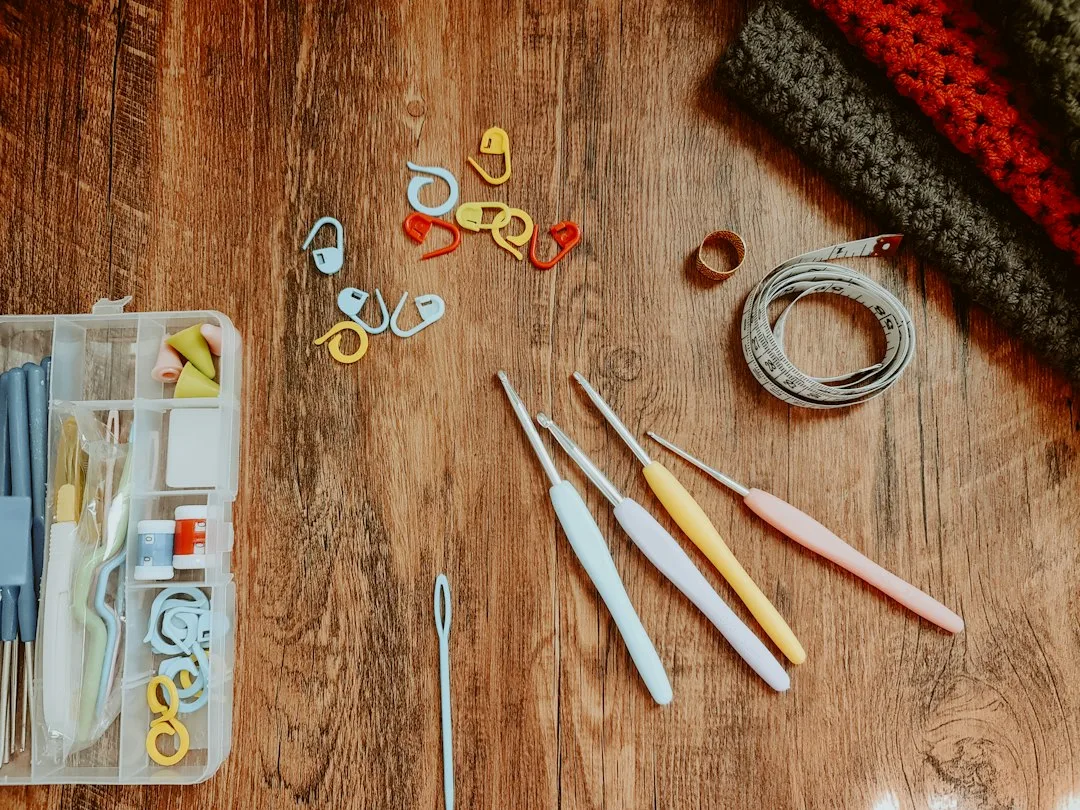
Buying for a crocheter is not the same as buying a beginner crochet kit. Someone who makes blankets every weekend may already own ten hooks, yet still wish they had a place to keep a half-finished project away from the sofa. Start with what they are making now.
The best gifts for someone who crochets remove friction from their projects. Yarn-shop credit is the safest choice when you do not know their fiber and hook preferences. If you do know the work in progress, choose a tool that fits it: a roomy project bag for blankets, locking markers for small toys or a class in a technique they named. Do not buy yarn by color alone.
Two questions before you shop
First, what do they make? A person working on tiny amigurumi toys may want locking markers and a compact notions case. A garment maker may value blocking tools, sufficient matching yarn or a fitting class. A blanket maker needs space more than a cute palm-sized pouch.
Second, what do they already use? Look at a photo of their current project area or ask what keeps going missing. Do not infer hook size from a finished blanket. The Craft Yarn Council’s yarn-weight system connects yarn categories with suggested hook sizes and gauge, but a specific pattern and maker’s tension still matter. A photograph of the yarn band is more useful than a guess about shade. For a multi-skein project, ask about fiber, yardage and dye lot before buying more.
These ideas are grouped by the job they do for a maker: carrying a project, keeping track of stitches, finishing work or improving the place they crochet. They are not a ranking of brands we have hands-on tested. Where a tool depends on grip, fiber or workspace, the guide tells you what to confirm with the recipient before paying. That is more reliable than calling a tool “essential” for every crocheter.
| What you know | Safer gift direction | Skip |
|---|---|---|
| Only that they crochet | Credit at their preferred yarn shop | Random yarn bundle or beginner kit |
| They make toys in rounds | Locking markers and a closing notions case | Markers that cannot be removed |
| They make garments or lace | Blocking tools or a class they choose | A pattern that demands expensive yarn |
| They carry projects outside | Bag sized to the work and tools | Open tote that snags yarn |
Gifts for the project currently on the hook
1. Yarn-shop credit with a specific invitation
Choose the shop they already use, and check whether credit works online or in person. Write, “For the blue cardigan you showed me,” or offer to visit the shop together. This preserves their control over fiber, yardage and dye lot without making the gift feel anonymous.
2. A project bag that fits the work
A small bag is useful for a toy or scarf; a blanket may need a deep basket or large zipped tote. Check that the closure will not catch yarn, and leave room for the pattern and hooks. If they crochet in one fixed chair, a stable basket may beat a travel bag.
3. Removable locking stitch markers
Crochet often needs a marker that can be opened and moved, especially when working in rounds. Choose smooth edges and colors visible against the yarn they use. A small reliable set is better than a huge mixed bag if the closures are stiff or rough.
4. A row counter that matches their habit
Some makers tap a counter, some use an app, and some pencil tally marks on a pattern. Ask which system survives interruptions for them. A counter that resets inside a bag or requires another account solves nothing.
5. One hook in an exact, familiar size
Hook head shape, grip and weight are personal. If they have mentioned replacing a worn favorite, match its size and style. Do not treat a full “ergonomic” set as an upgrade without knowing whether they like those handles. One well-chosen hook is more likely to be used.
6. A case that shows missing hooks at a glance
Measure the longest hooks and any chunky handles first. A roll with visible size labels can save setup time for a scattered collection. It is unnecessary for someone whose tools already live in a well-organized case.
Make finishing less of a chore
7. Tapestry needles in a case that closes
Weaving in ends is difficult to start when the right needle keeps disappearing. Choose blunt needles with eyes large enough for the yarn they use, plus a case that will not open in a project bag.
8. Small snips with a protective cover
For cutting yarn tails, look for a comfortable grip and a cap that stays put. This is a useful addition to a portable kit. Do not promise that any blade will be allowed through every airport security check; rules and itineraries vary.
9. Blocking mats for a garment maker
Blocking may help shape some garments, lace and joined motifs, but the method must fit the fiber and pattern. Check whether they have enough floor or table space, and whether they already own mats. Include rust-resistant pins suited to damp projects if needed.
10. A measuring tape that stays in the bag
A compact tape helps with garment fit, gauge checks and finished dimensions. This is a small add-on rather than a centerpiece gift. Choose clear markings and a case that will not crack after a few uses.
11. A holder for the pattern format they use
Printed patterns can sit on a clipboard or stand away from yarn and drinks. A tablet user needs a different solution, perhaps a stable stand. The Craft Yarn Council’s abbreviation guide is also a reminder to check whether a purchased pattern uses US or UK terms before gifting it.
Improve the workspace without taking it over
12. A task lamp for dark yarn and evening work
The useful lamp lights the whole work area without casting the maker’s hands into shadow. Check where the lamp can sit and whether brightness can be adjusted. A tiny clip-on book light is not a substitute for a work-surface lamp unless the crocheter specifically wants one.
13. A yarn winder for someone who buys hanks
A winder can turn a hank into a manageable cake, but only when the person actually uses hanks or rewinds yarn. Check the table clamp and storage space. It may require a swift or another way to hold the hank while winding, so do not present it as a complete setup on its own.
14. A swift for an existing winding routine
This is more specialist than a winder. Give one when the maker has described the awkward job of holding open hanks, has space to set it up and wants to wind at home. Otherwise it is an inconvenient object to store.
15. A yarn bowl for a fixed chair or table
A smooth guide slot can keep a working ball from rolling away. Check that the bowl is stable and the surface will not snag yarn. Someone who crochets on the move or works from center-pull skeins may not need one.
Give choice, time or attention
16. A class in a technique they named
Garment fitting, Tunisian crochet and colorwork are not interchangeable interests. The Crochet Guild of America lists classes, but times, levels and materials change. Ask which technique excites the maker and let them choose a session before you pay for a non-refundable booking.
17. A finishing afternoon together
Offer to photograph completed work, sort leftover yarn or help with a task they choose. Do not wash, block or unravel a piece without permission. This gift acknowledges the hours behind the craft instead of adding another tool to a full drawer.
What not to buy on a guess
Skip mystery yarn chosen only for its color, large starter kits for an experienced maker and tools labeled “universal” without a project match. A class can also be a burden when the schedule or skill level is wrong. Ask one good question: “What are you making next, and what is the annoying part?” The answer will narrow the list faster than a bestseller badge.
If the crocheter often makes gifts for others, recognize that work in your note. Our article on receiving a handmade gift explains why the maker’s time is part of the present. For a person who wants fewer possessions, see gifts minimalists actually like before adding more equipment.
Make the budget useful rather than impressive
Under $20, solve one recurring annoyance: markers that can be removed from stitches, a needle case that stays closed, or a tape measure with markings the maker can read easily. Do not build a hamper of cheap duplicates just to make the package look larger. A few useful notions in a pouch they will reuse are a complete gift.
At a midrange budget, ask before buying a bag, lamp or blocking setup. Those objects take space and depend on the recipient’s way of working. A bag for a blanket must hold more than one ball of yarn and allow room for the growing fabric. A lamp should illuminate the stitch area from the side that suits their dominant hand and chair. The product photograph rarely shows either constraint.
At a higher budget, yarn-shop credit plus a visit together usually beats a surprise box of expensive yarn. Yarn for a garment involves more than color. Fiber affects feel and care; yardage determines whether the maker can finish; dye lots can make two otherwise identical skeins look different in the same piece. If you are determined to buy the yarn, get the exact pattern, size and yarn specification from the maker. Otherwise leave the technical choice to them.
A gift note that respects the maker’s work
Crocheters are often asked what they will make for someone else. A gift to them should not secretly be a commission. Avoid attaching a pattern with a note that says, “Now you can make me this.” If you want to support a project for yourself, ask separately what they would charge or whether they even want to take it on.
For someone who makes baby blankets for friends, a card saying “This is for a project you choose for yourself” can be more meaningful than another tool. For someone learning, name the progress you have actually seen: the first wearable, the neat seam, the finished toy. Do not claim their work is effortless because it looks tidy. The gift should acknowledge the maker, not just the finished object.
If the recipient tracks rows and ideas in a notebook, a leather-cover journal can hold project notes and swatches, but only if they prefer paper to an app. It is not a pattern book or a crochet tool. A useful gift here is one that fits their existing process.