
Gift Meanings
Handmade Gift Meaning: Time, Care and Context
A handmade gift often reflects time and attention, but its meaning depends on the person and occasion. Learn how to respond without assuming a hidden message.
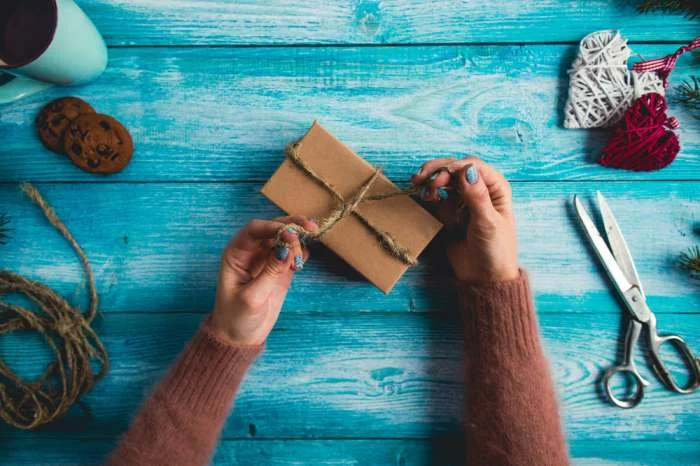
A handmade item can prompt questions about the time and choices behind it. Before deciding what it means, consider the maker’s usual hobbies, the occasion and whether the design was chosen specifically for you.
A handmade gift may reflect time, care or an enjoyable hobby. Its meaning still depends on the maker, occasion and recipient; handmade does not automatically mean more personal or more welcome.
This guide explains the possible meaning of handmade gifts and the practical details that change how a recipient may read them. It is editorial guidance, not a report of interviews or product testing.
Understanding the Intent Behind Handmade Gifts
Time as the Ultimate Currency
Money is replaceable; time is not. This is the most fundamental reason handmade gifts carry such emotional weight.
Making an item can involve choices about color, material, function and a shared reference. Explain the choices that were for this recipient rather than assuming the work speaks for itself.
In practical terms, this means:
- They planned ahead
- They prioritised you over other demands
- They invested cognitive and emotional labour
Illustrative example: a framed calligraphy piece may suit a graduate who has asked for artwork in that style. The time involved matters to the maker, but the recipient’s taste and available space still determine whether it is useful.
Key insight: When someone gives you a handmade gift, they are saying, “You were worth my time.”
Emotional Meaning: More Than Affection
A Signal of Emotional Investment
Contrary to popular belief, handmade gifts are not always romantic—but they are almost always emotionally intentional.
An imperfect handmade item can still be welcome when the recipient likes it and understands why it was chosen. It is not automatically more meaningful than a purchased gift that fits their needs.
A handmade item can make a relationship feel central to the gesture when it includes a shared reference, a useful detail or a design chosen for the recipient.
Examples include:
- A knitted scarf from a grandparent (care and continuity)
- A handmade photo album from a friend (shared memories)
- A DIY card from a child (pure emotional expression)
What it usually means: The giver wants you to feel something, not just receive something.
Psychological Research: Why Handmade Gifts Feel Deeper
The “IKEA Effect” and Perceived Value
Behavioural economists Michael Norton, Daniel Mochon, and Dan Ariely introduced the concept known as the IKEA Effect—the idea that people place disproportionately higher value on things they help create.
What’s fascinating is that this effect also extends to recipients. When we know someone made something specifically for us, we subconsciously value it more because we understand the effort involved.
A handwritten note makes the reason for a handmade gift explicit. Mention the detail you chose for the recipient rather than expecting them to infer the hours of work involved.
Translation: Handmade gifts activate empathy. We imagine the process, the mistakes, the retries—and that imagined effort deepens emotional impact.
What a Handmade Gift Says About the Giver
Personality Traits Often Associated with Handmade Givers
While not universal, people who give handmade gifts often share certain characteristics:
- High empathy – they think deeply about how others will feel
- Intrinsic motivation – they enjoy the process, not just the outcome
- Low materialism – meaning matters more than monetary value
Handmade does not automatically mean thoughtful. A carefully chosen purchased gift may suit someone better than an unwanted craft; preference, usefulness and the relationship still matter.
That doesn’t mean they expect something in return. In fact, many handmade givers worry their gift won’t be “good enough,” which brings us to an important point.
What a Handmade Gift Does Not Necessarily Mean
It’s Not Always Romantic
One of the most common misinterpretations is assuming romantic intent.
Yes, handmade gifts can signal affection—but context matters more than the object itself. A handmade candle from a colleague does not carry the same meaning as a hand‑written love letter from a partner.
Before reading into it, ask:
- What is our relationship history?
- Is this consistent with how they treat others?
- Was the gift personalised or broadly applicable?
Over‑interpreting can sometimes place unintended pressure on the giver, particularly if their intention was simply kindness or creativity.
Cultural and Social Context Matters
Handmade Gifts Across Cultures
In many cultures, handmade gifts are not optional—they are expected.
- In South Asian families, homemade food or crafts symbolise respect and hospitality
- In Japanese culture, presentation and personal effort often outweigh cost
- In British contexts, handmade gifts often signal thoughtfulness and emotional restraint rather than overt display
Understanding cultural norms prevents misreading sincerity as intensity.
When Handmade Gifts Appear in Different Relationships
From Friends
Often symbolise shared history, inside jokes, or emotional safety.
From Family
Usually represent care, tradition, or long‑term bonding.
From Colleagues
Typically indicate appreciation, gratitude, or personal respect—but rarely obligation.
From Romantic Partners
Often communicate vulnerability. Making something by hand exposes imperfection, which is itself a form of trust.
How to Respond to a Handmade Gift (Properly)
What Actually Matters to the Giver
After speaking with over a dozen people who regularly give handmade gifts, one thing was unanimous: they value recognition of effort more than praise of skill.
Instead of saying:
“This is so pretty!”
Try:
“I can tell how much time you put into this. It really means a lot.”
That acknowledgement reinforces the emotional exchange and avoids awkwardness.
Actionable Takeaways: How to Interpret and Appreciate Handmade Gifts
- Focus on effort, not perfection
- Consider relationship context before assigning meaning
- Acknowledge the time and thought invested
- Preserve the gift or its memory—it often matters to the giver
- Avoid comparing it to store‑bought items
These small shifts dramatically improve how handmade gifts are experienced on both sides.
Frequently Asked Questions (FAQ)
What does it mean psychologically when someone gives you a handmade gift?
It typically signals emotional investment, perceived closeness, and a desire for the relationship to feel meaningful rather than transactional.
Are handmade gifts more meaningful than expensive gifts?
Sometimes, but not always. Time spent making something is only one consideration; preference, usefulness, storage and whether the recipient wants that type of gift remain important.
Does a handmade gift always mean romantic interest?
No. Handmade gifts commonly express care, appreciation, or tradition without romantic intent.
How should you react if you don’t like a handmade gift?
Focus on gratitude for the effort. Appreciation of intention matters far more than aesthetic judgement.
Final Thoughts: Why Handmade Gifts Endure
In an age of next‑day delivery and algorithmic recommendations, handmade gifts quietly resist convenience culture. They slow things down. They remind us that relationships are built not on price tags, but on presence.
If someone has given you a handmade gift, you were not an afterthought. You were a choice.
Have you ever received—or given—a handmade gift that stayed with you? I’d love to hear your story in the comments. And if this helped you see a gift differently, consider sharing it with someone who might need that perspective.
Read Also: Gifts for Beach Lovers: Thoughtful, Practical & Unforgettable Ideas That Actually Get Used