
Gift Meanings
Scarf as a Gift: Meaning, Warmth and Choosing the Right One
A scarf can say warmth, care or admiration for someone's style. Learn how to choose by climate, fabric feel, length and the way they already dress.
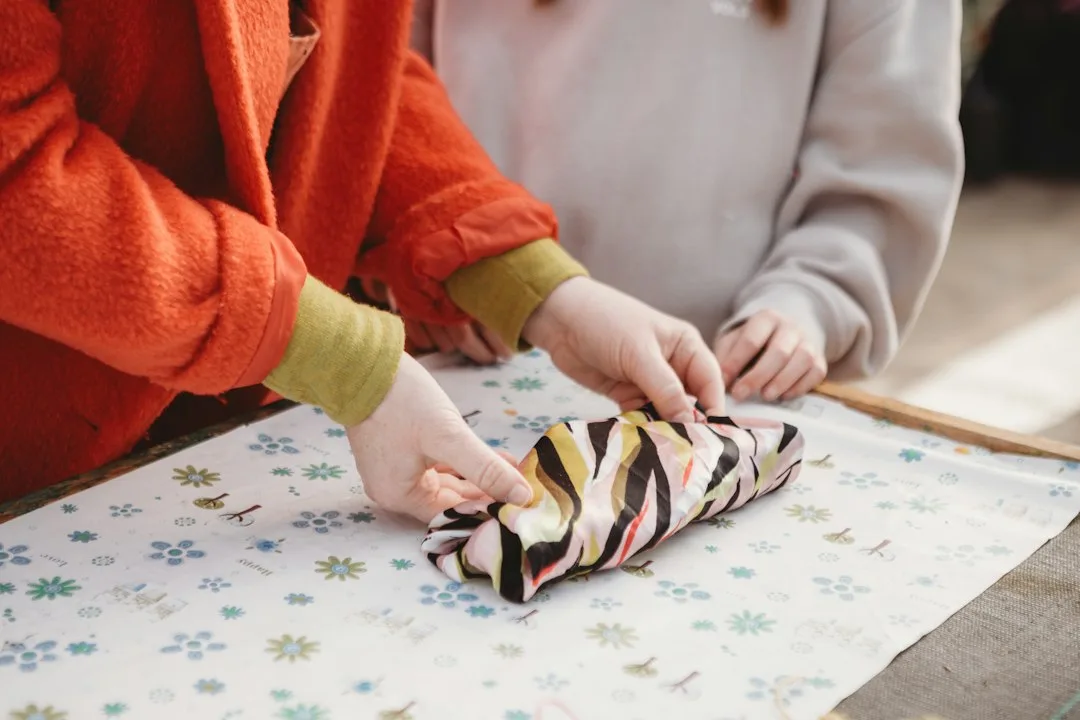
A scarf can be worn every cold morning or never leave its packaging. The difference is often not color. It is whether the fabric feels good against the neck, whether the length works with a coat, and whether the recipient wanted warmth or a light accessory.
A scarf as a gift commonly means care and comfort: “I thought about keeping you warm.” It can also acknowledge personal style or mark a shared trip. The relationship supplies the emotional meaning; the scarf itself is not a coded romantic promise. Choose by the recipient’s climate, skin comfort and existing wardrobe before you choose a pattern.
First decide what kind of scarf you mean
Winter layer: This has to sit comfortably over a coat and under a collar. Check bulk, length and whether the recipient normally wraps once or twice. A beautiful thick scarf may be unusable in a mild climate.
Light style piece: This may be worn indoors or tied to a bag. Fabric drape and print matter more than insulation. Do not market it as a cold-weather solution just because it is called a scarf.
Travel scarf: The useful version is packable and easy to care for. Someone who travels light may not want a delicate item that requires special cleaning. Our travel-gift guide covers that trade-off more broadly.
A quick observation helps: which coat do they wear most, and do they actually wear scarves with it? If they avoid anything touching their neck, another warm gift may be kinder. The guide for someone who is always cold has options that do not depend on scarf habits.
The label is part of the decision
Words such as “cashmere feel” and “pashmina style” describe an impression, not necessarily a fiber. The FTC explains wool and cashmere labeling, including why fiber content should be disclosed accurately. Read the actual label instead of paying extra for an adjective. A synthetic blend may be exactly what someone wants if it is soft and easy to wash; honesty about the material matters more than prestige.
Care instructions can be a deal-breaker. Woolmark advises checking the garment’s care label rather than assuming all wool pieces can be washed the same way. For a person who puts every accessory in the machine, a dry-clean-only gift adds a chore. Include care information with the gift, but do not turn the note into a lecture.
If texture is the main uncertainty, ask the recipient to touch the fabric or choose together. “Soft” is a seller’s impression; comfort against the neck is personal. A scarf can be warm, honestly labeled and still wrong for someone who dislikes that particular feel. A returnable choice protects the meaning of the gift better than insisting the recipient tolerate it.
Make the gesture specific
“For the walk to your early train” is a clearer message than “scarves symbolize protection.” If the scarf is a souvenir from a place you visited together, mention the moment. If it is for a new job, choose a color that works with the coat they will actually wear, not the office outfit you imagine for them.
One practical test is to lay the scarf beside their most-used outer layer. Does it clash, disappear or make the collar too crowded? If you cannot see their clothes, choose a returnable piece and avoid a very conspicuous print. Leave the tag on. The recipient should be able to exchange a color without feeling they are rejecting your care.
Is a scarf a romantic gift?
It can be when it refers to a shared memory or a partner’s daily routine. From a friend, parent or colleague it is just as likely to be a warm, practical gesture. Do not infer romance from fabric alone.
What if they already own several scarves?
Find out which one they reach for and why. A replacement for a worn favorite may be welcome; another near-identical scarf may become clutter. If you cannot identify a gap, give an experience or another requested item instead.
Test the scarf against the day it will be worn
For a winter commuter, warmth is only one requirement. A long scarf may tangle with a backpack strap, while a bulky one can crowd a high coat collar. Ask how they travel and whether they remove layers on a train or in an office. Someone moving between outdoor cold and heated rooms may prefer a piece that folds into a bag without taking up half the space.
For a person who dresses for work, look at the neckline and outerwear they actually use. A vivid print can be wonderful if they seek color, but a gift should not assign them a new identity. Neutral does not automatically mean thoughtful either. If every scarf they own is bright, a plain gray one may feel like you did not notice. Choose from their habits, not from a generic “safe color” list.
For a handmade scarf, tell the recipient what fiber you used and how to care for it. The hours in the work do not remove the need for comfort. Some people find a texture irritating at the neck even when they admire the craft. A handmade gift can still be exchanged for a different use, such as a lap layer, if the maker welcomes that. Do not make wearing it in public a condition of gratitude.
Read fiber, care and return terms together
Check the percentage of each fiber rather than relying on “cashmere-like” or “wool feel.” Then read the care label before buying. A gift that requires hand washing may be a pleasure for someone who already cares for delicate knitwear and a nuisance for someone who needs machine-washable clothes. Material also affects how the scarf drapes: two pieces with similar colors can behave very differently when tied under a coat.
When shopping online, check dimensions in centimeters or inches, not just “oversized.” A wide wrap, a narrow neck scarf and a square silk-style scarf serve different purposes. If a recipient likes one way of wearing a scarf, buy for that method. A photograph of a model with multiple folds can conceal the actual length and weight. Look for flat measurements and a view of the full piece.
If you cannot feel the fabric before buying, keep the return path simple. Leave the tags attached, do not embroider initials and include the receipt. A note about why you chose it can carry the affection while still allowing the recipient to change the color or material. The point is their comfort, not proof that your first guess was correct.
For another weather-related gift with a different carrying trade-off, see when an umbrella makes sense as a present.