
Gift Meanings
Pearls as a Gift: Meaning Without the Myths
Do pearls as a gift mean tears? Learn where the belief comes from, what cultured pearls really are, and how to choose a piece the recipient will wear.
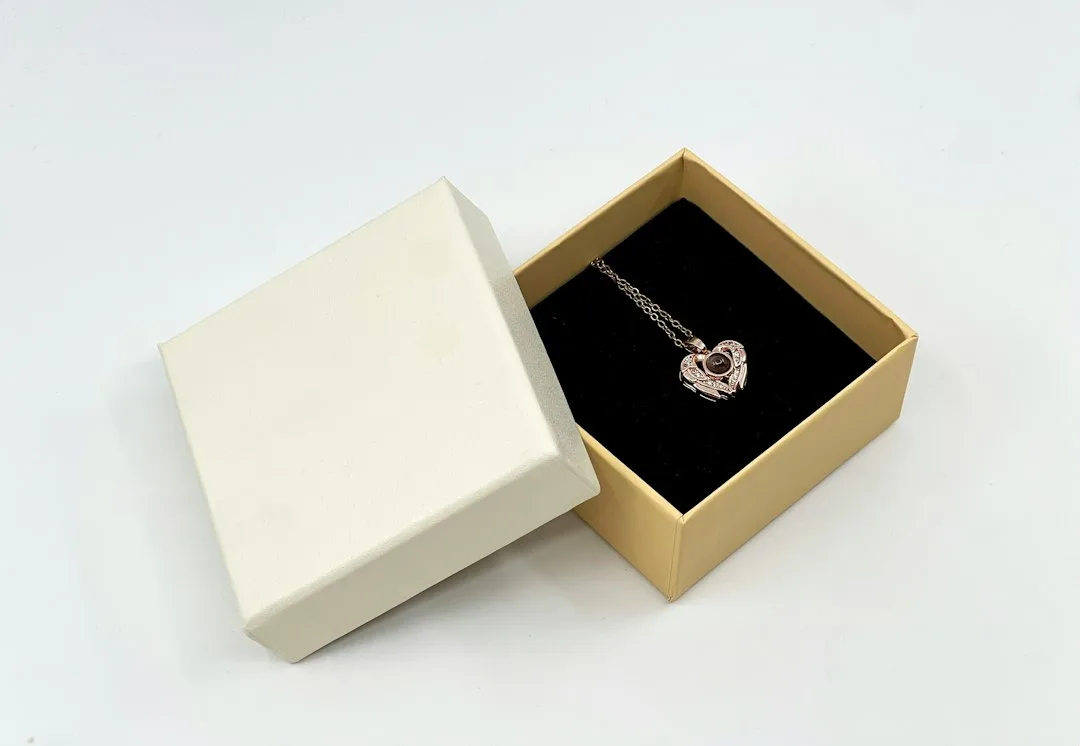
A pearl gift often arrives with a story: a graduation, an anniversary, or a relative’s jewelry handed down. Then someone mentions that pearls mean tears. A saying should not erase what the giver and recipient actually know about each other.
Pearls as a gift usually express care, continuity or recognition of a milestone. They do not universally mean sadness or romance. A family pearl may carry memory; a new pair of studs may simply fit someone’s daily style. Read the occasion and the recipient’s feelings about pearls first. If a family superstition matters to them, respect it without presenting it as a rule for everyone.
The story changes the object
Pearls are connected with more than weddings. The Gemological Institute of America lists pearl as a June birthstone and associates it with third and thirtieth wedding anniversaries. That gives a June birthday or an anniversary an easy explanation, but a piece inherited from a grandmother tells a different story. When passing one on, write down who owned it and why this person is receiving it now. Do not make them promise never to alter or sell it.
The old “pearls mean tears” saying is folklore, not a forecast. A first-person account collected by USC’s Digital Folklore Archive describes a family custom of symbolically paying a small amount for pearls rather than accepting them outright. That account shows the belief exists; it does not establish a rule for every family or culture. Some recipients will laugh at it; others may have heard it all their lives. There is no benefit in arguing with someone while handing them a gift. If they would feel uneasy wearing pearls, choose another material or let them select a piece with you. If their family uses a token payment, let them tell you whether they want to observe it.
What are you actually buying?
This is where a symbolic article has to become practical. “Pearl” in a listing is not enough information.
| Listing term | What to ask the seller |
|---|---|
| Natural pearl | Is the origin documented? Do not assume an unusually cheap strand is natural. |
| Cultured pearl | What type, size and treatment are disclosed? Cultured does not mean imitation. |
| Imitation pearl | What is the material and finish? Buy it for the look, not as an investment. |
GIA explains the natural-versus-cultured distinction, and the FTC Jewelry Guides address misleading claims about pearls and imitations. If a seller will not say which kind is in the piece, do not pay a premium based on a romantic product description. Check the clasp and metal too; the pearl is not the only part touching skin.
Care is part of the gift. GIA’s pearl-care guidance calls for gentler cleaning and storage than many hard gemstones. A recipient who wants jewelry they can wear through every workout may prefer another material. A special piece is welcome only if its upkeep suits their life.
Three good ways to give pearls
An everyday pair for an existing pearl wearer. Match the size and metal of jewelry they already choose. Small studs can work with casual clothes, but only if their ears are pierced and the backs are comfortable. Our earring gift guide covers those fit checks.
A family piece with context. Include the story in a short note and offer to pay for a professional inspection if the clasp or stringing is old. The offer matters more than a dramatic presentation. It gives the recipient room to enjoy the piece without inheriting an immediate repair bill.
A shared selection. Set a budget, explain the occasion and let the recipient choose the shape and color. This is especially sensible for someone who likes the idea of pearls but has not settled on a style. Keep the receipt and confirm any resizing or return terms before ordering.
If they already own pearls but do not need another piece, storage can be a more useful gift. Our portable jewelry box is an option only if its compartments keep delicate items apart from harder jewelry. It is not a pearl product, and it should not be sold as one.
The short answer to common doubts
Cultured pearls are real pearls formed with human assistance, not plastic imitations. A high price does not prove a pearl is natural. Pearls do not carry one universal message across relationships. Give them when the recipient likes pearls and the occasion has a reason they will recognize. When either part is missing, another gift is often kinder.
How to compare two pearl gifts without guessing
First compare what is disclosed, not which photograph looks more luminous. A seller should be able to tell you whether the pearls are natural, cultured or imitation; the size and shape; the metal in the clasp or setting; and the return conditions. If one listing offers those details and the other relies on “heirloom quality” without specifics, the clearer listing is the easier gift to stand behind. A name that sounds luxurious is not material evidence.
Then ask what the recipient wears. A short strand sits differently from a longer one and may need restringing after years of use. Earrings require the same skin-contact and piercing checks as any other pair. A bracelet can catch on sleeves or a desk. A person who dresses casually may enjoy pearls, but that does not mean a formal strand will fit their week. Look at their own styling rather than prescribing an occasion they do not have.
Finally, plan the handover. For an inherited piece, include the story, any available documentation and an honest note about condition. Do not conceal a weak clasp because it makes the gift less dramatic. For a new purchase, keep the original description and receipt so the recipient can see the material claim and exchange the item if it does not fit. Privacy matters too: ask before sharing family photographs or stories publicly as part of the presentation.
When another gift carries the message better
Someone may love the person who gives them pearls but dislike wearing jewelry. A letter about a family milestone, a photograph in a frame, or a shared outing can carry continuity without asking them to maintain a delicate object. If they like jewelry but dislike pearls specifically, choose the material they actually wear. This is not a failure to honor tradition. It is attention to the living recipient.
If you are receiving pearls and wonder whether the giver intended an engagement signal, ask about the occasion rather than the stone. Pearls appear in birthday, graduation, anniversary and family gifts. The setting, note and relationship tell you more than a symbolic list. A clear conversation is gentler than treating a piece of jewelry as a puzzle you must solve alone.