
Hobbies
12 Gifts for Plant Lovers That Fit Their Growing Space
Choose gifts for plant lovers by their space, collection and routine. Compare useful tools, pots, experiences and thoughtful options beyond another plant.
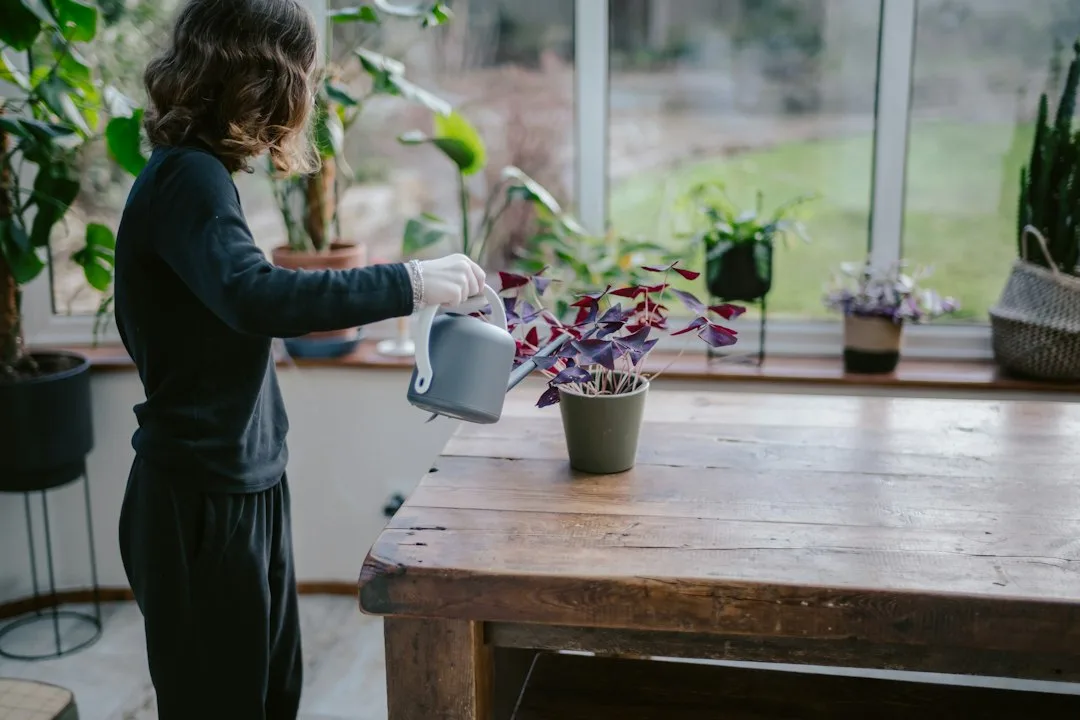
When someone already has plants on every suitable windowsill, another surprise plant may be more work than a treat. Their collection has its own limits: light, floor space, pot sizes, pets, and how much care they want to give.
The best gifts for plant lovers fit the collection they already have: a useful watering can, correctly sized pot and saucer, repotting mat, requested supply, or nursery credit. Ask about their growing space and current needs before buying another plant. Choose tools and experiences that support the hobby without creating a new care obligation.
Find the Constraint Before Choosing the Present
This guide focuses on houseplant enthusiasts, with options for small homes and established collections. It is a gift-selection guide, not a diagnosis of plant problems or a universal care schedule.
Ask one practical question: “Is there anything about looking after your plants that is awkward at the moment?” Their answer might be carrying water, keeping soil off a table, finding a matching saucer, or having someone follow instructions while they travel.
Do not infer expertise from the number of plants someone owns. A beginner can have several gifts to care for, while an experienced grower may deliberately keep a small collection. The useful present fits the person’s routine, not a label such as plant parent.
| The situation | Useful direction | Check before buying |
|---|---|---|
| A few plants in a small room | A compact tool or agreed experience | Storage and duplication |
| Regular repotting at a kitchen table | A mat or requested container | Usable dimensions and cleaning |
| An established specialist collection | An exact requested supply | Species, setup, and preferred product |
| Uncertain preferences | Convenient nursery credit | Location, access, and redemption terms |
| A household with pets | A non-living accessory or agreed choice | Species identification and placement |
12 Gift Ideas Beyond Guessing Another Houseplant
1. A Watering Can They Can Fill and Carry Easily
Check capacity, handle shape, and spout reach against the recipient’s usual plants. A large can may reduce trips but be awkward to lift or fit beneath the tap. A small decorative can may look attractive while being frustrating to use.
Ask whether they water from above, use trays, or take pots to a sink. The tool should fit their chosen method. Do not add an automatic watering claim to a simple can or imply one routine suits every species.
2. A Repotting Mat for Their Actual Work Surface
A foldable mat can give someone a defined place to handle potting mix and tools. Check its usable area, edge construction, cleaning instructions, and how small it folds. A mat that barely fits the pot may not leave room to work.
Do not promise it makes repotting mess-free. The useful benefit is a manageable work area that can be cleaned and put away. Skip it if the recipient already has a tray or outdoor setup they prefer.
3. A Correctly Sized Pot and Matching Saucer
Ask what needs repotting and which container style they use. A decorative outer pot and a pot intended to hold roots directly are different items. Check internal dimensions, drainage, and whether a saucer is included.
Illinois Extension’s container guidance emphasizes suitable size and drainage. For gifting, that means an attractive vessel is not enough information. Let the recipient decide what belongs in it rather than choosing a much larger pot as a supposed upgrade.
4. Nursery Credit at a Shop They Can Reach
Choose a nursery or garden center they already use or have wanted to visit. Check whether the credit works online, in store, or both, and whether delivery territory matters. A local gift should not require an inconvenient journey.
Make the value clear, preserve the receipt, and check any conditions. This can be a better surprise than a living item because the recipient chooses the species, timing, and equipment they need.
5. Labels in the Format They Already Use
Some growers label species, dates, or experiments; others prefer an uncluttered display. If labels would be useful, check size, writing surface, and whether they are intended for indoor or outdoor conditions.
Do not make weatherproof claims without manufacturer support. A small pack is usually easier to fit into an existing system than an oversized personalized set. If their current labels work well, exact replacements may be enough.
6. A Requested Potting Supply in a Manageable Quantity
Ask for the exact material and amount. Different collections can require different growing media, so a bag labeled for general use is not automatically right. Consider where it will be stored and whether the recipient wants to carry it home.
Avoid surprise fertilizers, pesticides, or treatment products intended to fix an assumed problem. Those choices need context and proper instructions. A gift is not an invitation to change someone’s growing method without asking.
7. A Support That Matches an Existing Climbing Specimen
If the recipient wants a trellis or support, ask for the size, style, and intended use. Check the pot’s dimensions, how the support is installed, and whether it needs other materials. A tall decorative frame may not be suitable for a small container.
Do not choose the support first and expect them to rearrange the collection around it. An exact requested item is more helpful than an elaborate accessory whose fit depends on guesswork.
8. A Propagation Vessel for Someone Who Enjoys That Process
A small vessel can be appealing for a grower who already propagates suitable plants in that way. Check stability, opening width, cleaning access, and the surface where it will sit. Fragile hanging displays need more planning than a simple tabletop container.
Do not promise that every cutting will root or that water propagation is right for every species. The present supports an activity they choose; it does not need to guarantee a result.
9. A Reference Book in Their Area of Interest
Choose for the collection, climate, and experience level. A general beginner guide, a species-specific reference, and an outdoor gardening book answer different questions. Check the contents and publication details rather than buying only for an attractive cover.
Avoid duplicates by asking for a short wishlist. If you do not know their preferred format, a bookshop contribution or the alternatives in our reader gift guide may be a closer fit.
10. A Local Workshop They Actually Want to Attend
Look for a topic the recipient has mentioned, then verify level, duration, included materials, location, and accessibility information. Confirm whether they take home a living item and whether they want that responsibility.
Agree on the date before purchasing a non-refundable place. A class that conflicts with work or requires expensive equipment is not made convenient by calling it an experience gift.
11. A Carrying Tray Suited to Their Containers
A tray may help someone move a few small pots for cleaning or watering, if that matches their routine. Check its usable dimensions, grip, material, and stated load guidance. Pots, water, and soil can be heavier together than they look individually.
Do not present an ordinary decorative tray as waterproof or load-rated without evidence. If carrying is the problem, ask what kind of solution they feel comfortable using rather than guessing a large device.
12. An Agreed Care Visit While They Are Away
For someone who trusts you with the task, offer a specific visit following their instructions. Confirm access, dates, what should and should not be watered, and what to do if something seems wrong. A clear arrangement is more useful than a vague promise.
Do not improvise repotting, feeding, or treatment while they are away. If you cannot reliably follow the plan, offer another kind of help. This can be a free gift, but it still requires permission and responsibility.
When You Do Want to Give a Living Plant
Ask for a wanted species or a short list, and check the recipient’s light, space, and care preferences. Keep the identification label. Do not choose something merely because a shop describes it as easy, low-light, or suitable for everyone.
For homes with pets, use the exact species rather than a vague common name to check suitability. The ASPCA’s plant database provides species information and cautions that its list is not exhaustive. If there is uncertainty, ask the recipient or a veterinarian and choose a non-living gift instead of making a safety guarantee.
If you are interested in what the gesture might communicate, our guide to receiving a plant as a gift discusses possible meanings. The practical fit still matters more than assigning one universal symbol.
Small-Space Gifts Should Stay Small in Commitment Too
A compact accessory can still require mounting, new supplies, or a change to the room. Check the whole setup before buying a shelf, hanging arrangement, powered light, or watering system. Do not make electrical, structural, or weight-bearing assumptions from a styled product photograph.
For someone who wants no additions to the collection, a requested refill or agreed outing may be enough. Our minimalist gift guide offers another way to choose without treating empty space as something you need to fill.
Plant-Lover Gift Questions
What do you buy a plant lover who has no room for more plants?
Ask about an exact replacement, a useful small tool, convenient nursery credit, or an experience they want. Avoid adding a large display or new care project just because it is related to the hobby.
Is a decorative pot a safe gift choice?
Only when its dimensions and function fit the intended use. Check whether it is an outer cover or a planting container, how drainage is handled, and whether a suitable saucer is included. Appearance alone does not establish compatibility.
Should I surprise them with a rare plant?
Ask first. Rarity does not tell you whether it suits their space, care preferences, household, or budget for ongoing supplies. An exact wanted choice or a contribution toward it can be more thoughtful than an unexpected responsibility.