
Gift Meanings
Flowers as a Gift: Meaning by Relationship, Colour and Occasion
Flowers can express affection, sympathy, thanks or celebration. Learn how relationship, occasion and the recipient's tastes change the meaning of a bouquet.
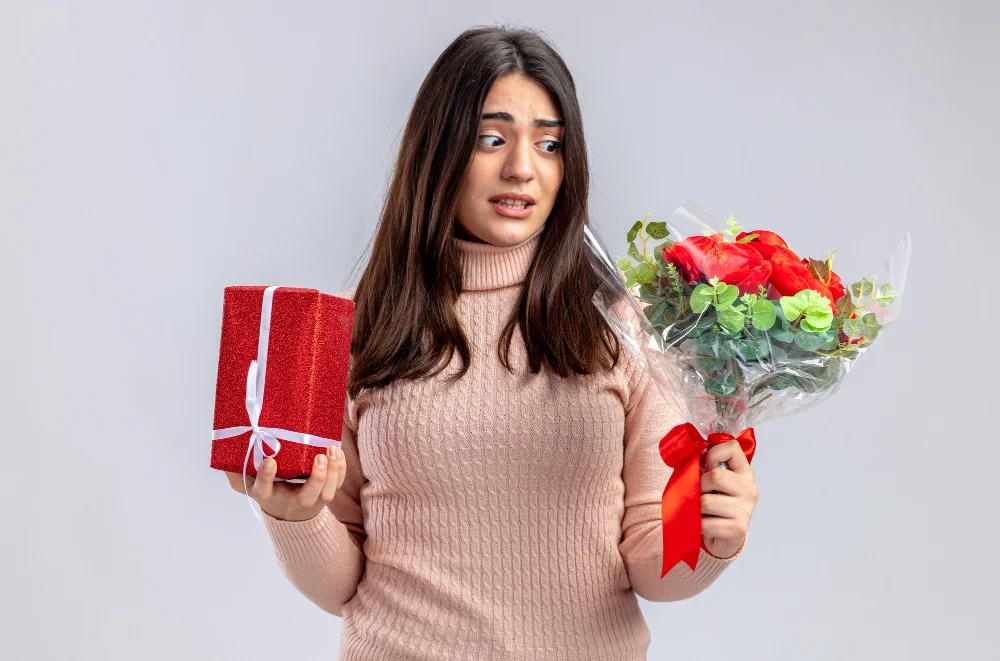
Flowers are a familiar gift precisely because they can carry many messages. A bouquet on a birthday feels different from one sent after a loss, and the same red roses can feel romantic, celebratory or simply like the recipient’s favorite flowers. Do not decode the colour before you know the context.
Flowers as a gift usually mean, “I wanted to mark this moment and make you feel thought of.” That may be affection, gratitude, sympathy, congratulations or an invitation to reconnect. The sender’s relationship to the recipient, the occasion and any note make the message clearer than a universal flower dictionary. If the recipient has allergies, pets or strong preferences, those practical details also matter.
Start with the occasion, not a secret code
| Situation | Likely message | What changes the reading |
|---|---|---|
| Birthday | Celebration and attention | Favorite flowers or colours |
| After a difficult week | Care and support | Whether the recipient wants visitors |
| Memorial or condolence | Sympathy and remembrance | Family customs and delivery preference |
| After an argument | A wish to repair | Whether words and actions accompany them |
| No occasion | Spontaneous thoughtfulness | Relationship and timing |
An unexpected bouquet deserves its own context: surprise changes the moment but does not prove romantic interest. A card saying why you chose the flowers usually gives the recipient more clarity than the species does.
What colour and flower type can and cannot tell you
The Victorian “language of flowers” was not a single timeless code. The Royal Horticultural Society describes floriography as a historical practice with published meanings that varied. Red roses may suggest romance in many modern settings, but a recipient may simply like roses. White flowers may be used for weddings, sympathy or home decor depending on place and family.
If you are giving flowers, learn the recipient’s favorites before following a chart. If you are receiving them, ask the giver rather than building a relationship theory from a stem colour. For a partner, our guide to meaningful gifts looks at gestures that carry a clearer shared story.
Read the sender’s relationship without over-reading it
Flowers from a close friend can say, “I remembered your big day.” Flowers from a colleague may simply be a polite acknowledgment of a farewell or achievement. From a partner, they can carry romance, but a routine anniversary bouquet is not necessarily a bigger declaration than a friend showing up with a small bunch after a hard week.
The important test is whether the gesture fits your history with that person. Has the sender listened to your preferences? Did they include a note that makes the occasion clear? Are they asking for attention you did not agree to give? A bouquet should not pressure a recipient to reciprocate, forgive or change a boundary. If the relationship is new, a new-partner gift guide can help keep the gesture proportionate.
Before sending flowers, check the practical details
Ask whether fresh flowers are welcome at the destination. Hospitals and care settings may have restrictions; a grieving family may have stated a preference for donations or another form of support. Strong scent can be unpleasant for some recipients, and a vase may be one more task for someone who is exhausted. For a person coping with loss, our guide to gifts for a grieving friend considers practical support alongside flowers.
When ordering, confirm delivery date, address, florist substitution policy and whether the recipient will be home. If a particular flower or colour matters to your personal story, say so in the note. Otherwise let a florist use fresh, available stems that fit your budget. The gift is the act of consideration, not a promise that every bloom in a reference photo will be identical.
Five ways to make flowers more personal
1. The recipient’s favorite bloom
Ask or notice what they buy for themselves. A small bunch of a known favorite can feel more personal than an expensive arrangement chosen for symbolic reputation.
2. A bouquet with a specific note
Name the moment: “I was proud of how you handled this week” says more than a stock card. Avoid letting flowers do the work of an apology that also needs changed behavior.
3. A seasonal arrangement from a local florist
Seasonal flowers can feel connected to a time and place. Ask the florist about availability, scent and care rather than specifying a flower that cannot be sourced well.
4. A potted flowering plant by request
This suits someone who enjoys plant care and has light and space for it. For a person who does not want the responsibility, cut flowers may be kinder.
5. A non-floral alternative when flowers do not fit
Allergies, pets, hospital restrictions and grief customs can make a bouquet a poor choice. Ask what is welcome; a meal, note or practical help may communicate care better.
Frequently Asked Questions
Do flowers always mean romance?
No. They are also given for birthdays, condolences, congratulations and thanks. Relationship and occasion explain the gesture better than the bouquet alone.
What does it mean when someone gives you flowers for no reason?
Usually that they thought of you and wanted to make an ordinary day special. It is not proof of romantic intent; the note and your history offer better clues.
Do different flower colours have fixed meanings?
No single colour chart applies everywhere. Historical floriography and present-day customs vary, and personal favorites may matter most.
Are flowers an adequate apology?
They can accompany a sincere apology, but they do not replace acknowledging harm and changing behavior. The recipient may prefer a conversation or space.
What if I do not know whether they like flowers?
Ask a simple question or choose another gesture they have welcomed before. A surprise is not more thoughtful than respecting their preferences.