Gift Meanings
Crystal as a Gift: Meaning, Beliefs and Material Differences
A crystal gift may be decorative, personal or spiritual. Learn how to respect the recipient's beliefs while checking what the item is actually made from.
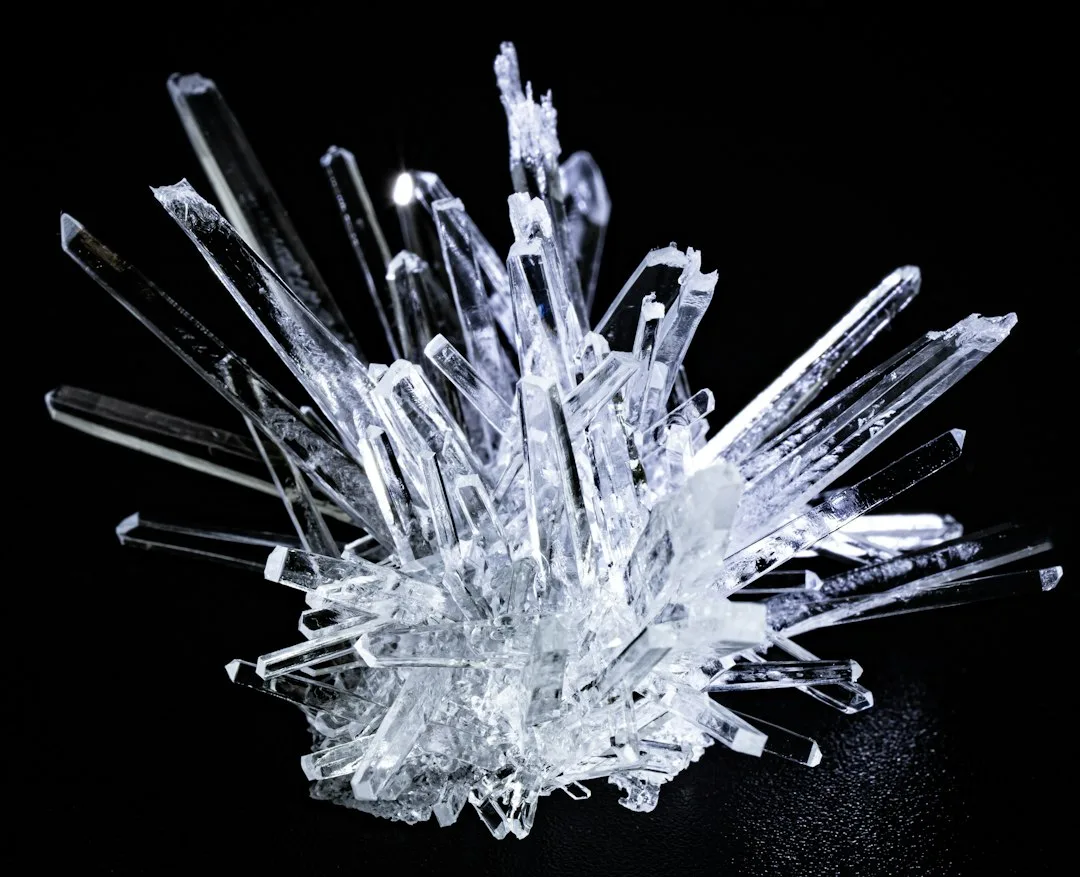
One person hears “crystal” and imagines a mineral specimen. Another thinks of cut glass on a shelf. A third has a particular stone and personal belief in mind. Those are not interchangeable gifts, even when online listings use the same word.
A crystal as a gift can mean admiration for beauty, recognition of a hobby or respect for a personal practice. It does not have one universal spiritual effect. Ask what the recipient means by crystal before choosing a material, shape or symbol. If you cannot tell whether the item is a natural mineral, manufactured glass or a decorative light, do not present it as a rare gemstone.
Ask which “crystal” the recipient wants
Mineral collector: They may care about identification, provenance, condition and whether a specimen is dyed or treated. A pretty color alone is not enough.
Decor lover: They may simply want an object that catches light or fits a shelf. The dimensions, power source and finish matter more than a mineral name.
Person with a spiritual practice: They may prefer to select a stone themselves. You can honor a belief without asserting that a product cures illness, changes luck or guarantees a particular outcome.
The FTC’s consumer guide to gemstones distinguishes natural gemstones from laboratory-created and imitation materials. The GIA gem encyclopedia is a useful starting point when a listing names a specific mineral. If the seller only says “crystal,” ask for the actual material. A decorative object can be an excellent gift; it should not have to impersonate a gem to be one.
A small label-reading exercise
Suppose a listing says “3D crystal planet.” That describes the visual idea but may not tell you whether the sphere is rock crystal, glass or another clear material. Look for the material line, the size, the base and what powers any light. If those details are missing, the safer description is “decorative planet light,” not “healing crystal” or “natural gemstone.”
Our 3D Planet Crystal Ball Night Light is a decorative light for someone who likes celestial objects. Check its current dimensions, power details and delivery information on the product page. It is not being recommended as a mineral specimen or a source of health effects. A reader looking for a stone to add to a collection needs a different seller who identifies the material precisely.
The current listing names 6 cm design options and a plug-in power supply, with a solid-wood lamp-holder option. Some choices are celestial, such as Moon, Saturn, Solar System and Nebula; other designs are not planets. Select the exact design and base option rather than assuming the lead photograph represents every variation. That is a more useful buying check than calling the object a “healing crystal.”
Give the person a reason, not a power claim
“You always point out the moon when we walk home” tells a recipient why a celestial object reminded you of them. “This will bring you peace” makes a promise no object can be expected to keep. For a collector, name the particular specimen they admired. For a decor lover, check where it would sit and whether they want another object to dust.
If someone gave you a crystal and you are decoding it, the first question is what the giver knew about your interests. A gift chosen from your favorite color or constellation is more personal than a generic chart of crystal meanings. If they attached a belief you do not share, you can thank them for the care without adopting the claim.
Is a crystal gift romantic?
Only context makes it so. A partner’s note about a shared memory may feel romantic; a friend’s small desk light may be simply friendly. The material itself does not define the relationship.
What should I avoid claiming?
Do not describe glass as a natural gemstone, present unverified sourcing as fact, or promise medical or emotional results. A clear material description and a personal reason are enough.
Three recipients, three different purchases
For a mineral collector, identification and condition come first. Ask which minerals they collect, whether they want raw specimens or polished pieces and how they display them. A dyed or treated stone is not necessarily unwanted, but it should be disclosed. The seller should name the material rather than leaning on a color or a spiritual label. A collector may already own a better example of a common mineral; a visit to a reputable shop together can be more useful than a blind order.
For someone who likes decor, focus on size, light and placement. A glass object on a sunny windowsill, a battery-powered light on a crowded desk and a heavy mineral on an unstable shelf present different practical issues. Check the dimensions against the surface and confirm whether a power cable or base is included. If the person is trying to reduce clutter, a shelf object may be the opposite of what they need. A photo of their space or a direct question can prevent that mismatch.
That space check matters especially for a new home. If the recipient has not yet settled their layout, our first-apartment gift guide offers options that do not assume a display shelf is already available.
For someone whose practice gives stones personal meaning, let them define the meaning. They may associate a particular material with a memory or ritual. Do not make a health claim on their behalf, and do not mock a belief while giving the object. A note about why you chose that color or shape can be sincere without asserting that the crystal will alter mood, luck or illness.
Ask what the word on the box really describes
“Crystal” may name a mineral structure, a type of glassware or a decorative effect in a product name. Read the material and construction lines. If a listing calls an illuminated sphere a “crystal ball,” that may be a style description, not proof that the sphere is carved from a natural stone. A buyer should be able to state the material accurately when handing over the gift.
Also check how the item will be used. A heavy specimen may need a stable display base; a light needs a power source and a safe location for its cord; a small polished stone can be misplaced easily. For a child or a pet-owning household, size and breakability are practical concerns. The fact that an item is sold as a spiritual accessory does not remove ordinary product-safety questions.
If you received a crystal gift that does not match your beliefs, you can still appreciate the giver’s intention. Ask what drew them to the object. Perhaps they remembered a constellation you love, a color you wear or a place you visited. You do not have to accept a claimed effect to accept the thought behind a present.