
Gift Meanings
Tea Set as a Gift: Match the Ritual, Not Just the Cups
A tea set can mean hospitality and time together. Choose the right set by learning whether the recipient makes matcha, loose-leaf tea or tea for guests.
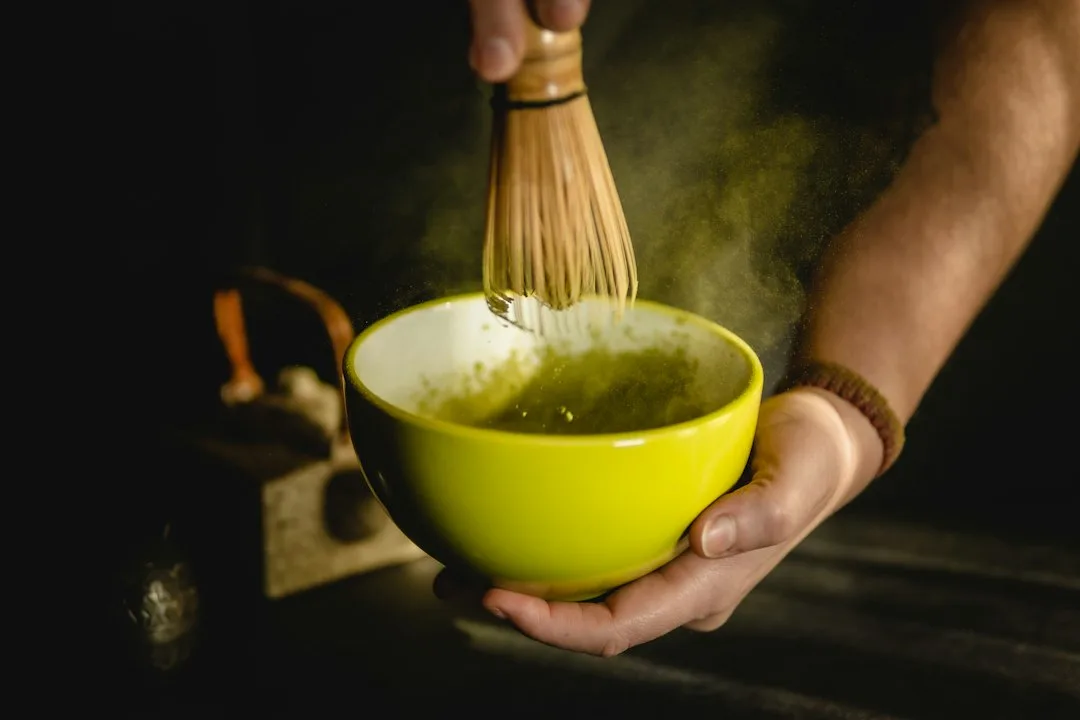
“Tea set” can mean a matcha bowl and whisk, a teapot for loose leaves, or a tray of cups for guests. These are different habits. The generous-looking box is a poor gift if it asks the recipient to learn a new routine they never wanted.
A tea set as a gift usually says, “I would like you to have time for a drink you enjoy, perhaps together.” Its meaning comes from the recipient’s actual tea habit, not from the number of pieces in the box. For a daily matcha drinker, tools for preparation may be welcome. For someone who only uses tea bags, a large ceremonial set may create storage work.
Start with the drink, then choose the equipment
Matcha, loose-leaf tea and tea served to several people need different tools. The Japan Matcha Association describes matcha as powdered tea mixed with water. Japan’s embassy introduction to tea ceremony shows how formal tea practice is a particular tradition, not a label to apply to every green drink at home. A home matcha routine can be simple; avoid implying that buying a bowl makes someone a practitioner of a formal ceremony.
| What they drink | A more useful gift | Common mismatch |
|---|---|---|
| Whisked matcha | Bowl, whisk or a complete preparation option | A teapot designed for leaves |
| Loose-leaf tea | Pot or infuser sized for their usual serving | A tiny cup set with no way to brew |
| Tea bags at work | A durable mug or favorite tea refill | A large display set they cannot store |
| Tea with guests | Enough cups for the people they actually host | Delicate pieces they must hand-wash after every visit |
Do a quick inventory before buying: what vessel do they use now, how many cups do they make, and what is missing? If they already have a favorite pot, replacing it may not be an upgrade. A tea gift can be the tea itself, a class they have asked about, or a planned hour together.
A matcha set is not one fixed product
Our Japanese-style Matcha Tea Collection includes a four-piece set option as well as individual options. Check the selected variation before checkout rather than assuming every listing choice includes the complete set. That matters if the recipient already owns a bowl but needs a replacement whisk, or if you intend to give a ready-to-use group of tools. Read the product’s current option, material and delivery details on the page; do not buy from the collection name alone.
The live listing also offers several finishes, including Ancient Clay, Moon White, Azure, Iron Glaze and Natural Clay. Choose a finish for the recipient’s existing kitchenware, not for the most dramatic product photograph. Before calling the gift “ready to use,” confirm the exact pieces in the selected variation and whether tea itself is included. Equipment and matcha powder are separate decisions.
If you are giving matcha tools to a beginner, include tea and a short note explaining why you chose this drink for them. Do not promise that matcha will improve health or calm them down. The gift is an invitation to a routine, not a treatment. If they prefer coffee, respect that preference.
The parts of a tea gift that decide whether it lasts
Storage: A teapot plus six cups is not a small gift. Ask where the set will live. Someone in a shared apartment may appreciate one good cup more than a cabinet full of matching pieces.
Care: Check whether the exact material and decoration can go in a dishwasher, microwave or hot water as the recipient expects. Do not assume a delicate or handmade-looking piece is interchangeable with their everyday mugs.
Replacement: A broken cup in a matched set can be hard to replace. A simple design sold individually is sometimes kinder than an elaborate set that only works while complete.
Timing: If the gift is for a gathering, confirm delivery before the event. If it arrives later, a note inviting the recipient to tea can carry the thought in the meantime.
What if someone gave you a tea set?
It is usually a gesture of hospitality or an attempt to support a quiet pleasure. It is not automatically a romantic invitation. If the giver chose your favorite type of tea or offered to share the first cup, that personal detail is the meaning. If the set does not suit how you drink tea, thank them for the intention and exchange it when possible. A good ritual is one the recipient can actually use.
Build a gift around one realistic cup
Imagine the recipient making tea on an ordinary Tuesday, not posing with the set at a party. Where will they fill the kettle? Is there a sink nearby for cleanup? Can they store the pieces without clearing a shelf? A matcha whisk is useful to someone willing to rinse and dry it; a guest-service set is useful to someone who actually hosts. The daily cup is a better test than a styled photograph.
If they drink loose-leaf tea, match the infuser to the leaf and the cup volume they prefer. Some people make one large mug; others refill a small pot several times. A tiny teapot is not automatically more authentic, and a large set can waste tea if the person normally drinks alone. If they only drink tea bags, the best gift may be favorite tea and a comfortable mug, not equipment that changes their routine.
For a shared gift, make the invitation concrete. “I will bring the tea next Sunday” is better than “We should have tea sometime.” The experience can carry the meaning even when the object is simple. If you do not know their preferred drink, ask. Guessing that someone wants green tea because it sounds healthy risks turning a pleasure into a health message they did not ask for.
Check the package, not just the photograph
Before checkout, read the variation name, included pieces, dimensions and material line. A listing may show a styled group even when the selected option is one component. Check whether tea leaves or powder are included; many equipment sets do not include the drink. If you intend a ready-to-use gift, add the right tea separately and confirm that it can be delivered to the recipient’s location.
For ceramics, ask how the set should be washed and whether sudden temperature changes are discouraged. For bamboo tools, read the maker’s drying instructions. A gift that needs hand care is not wrong, but the recipient should know that before it becomes their responsibility. Keep the return window open until they have checked the pieces and decided whether the set fits their shelves and habits.