
Minimalist Gifts
27 Minimalist Gifts for Travelers That Earn Bag Space
Choose minimalist gifts for travelers by trip length, luggage space and habits. These 27 ideas cover compact essentials, flexible experiences and trade-offs.
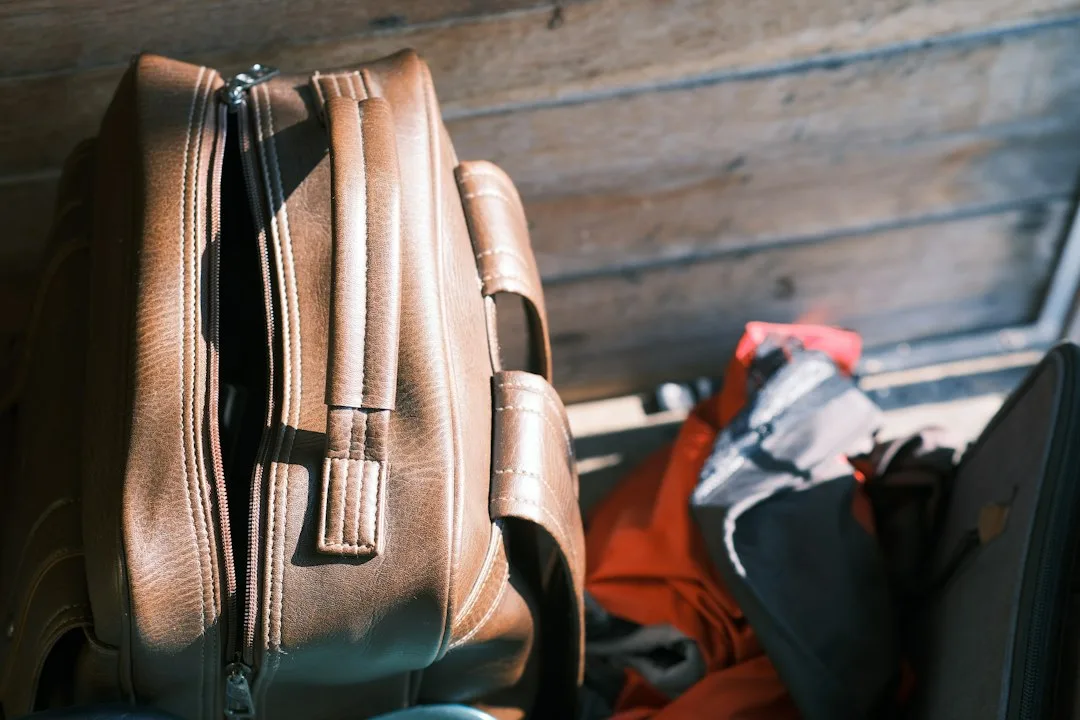
Every item in a frequent traveler’s bag has a cost in space. That is why a handsome travel gadget can be a poor gift: it looks useful at home but never survives the next packing decision. Choose for the kind of trip they actually take, not the person you imagine them becoming.
The best minimalist gifts for travelers replace a travel annoyance without adding a new one. A compact reading light suits someone who reads physical books in transit; a portable jewellery case suits a longer stay where jewellery would otherwise tangle. For a strict one-bag traveler, digital credit or an experience at the destination may be better than any object.
If they take the same journey often, see our gifts for someone who travels a lot for help with the whole travel routine.
Match the gift to the luggage they use
| Traveler | Stronger choice | Likely mistake |
|---|---|---|
| One-bag weekender | Digital credit, cable or small organiser | A bulky storage box |
| Long-stay traveler | Protective jewellery storage or laundry kit | A novelty airport gadget |
| Overnight reader | Clip-on light or eye mask | Another book they cannot pack |
| Frequent international flyer | Adapter matched to destinations | Assuming one plug works everywhere |
| Traveler who buys nothing extra | Transit or museum credit | Anything that needs a permanent place |
Before gifting liquids, check the actual route and airline. For US departures, the TSA’s 3-1-1 guidance limits ordinary carry-on liquids to small containers. Rules elsewhere can differ, so a toiletries kit is only useful when its contents can travel with them.
27 minimalist travel gifts by the problem they solve
1. A travel adapter for their next destination
Choose a reputable adapter with the plug types they actually need, and check whether their device also supports the destination’s voltage. An adapter changes the plug shape; it is not automatically a voltage converter. Skip it if their existing charger already covers the trip. The useful version is a known fit, not the largest multi-country cube.
2. A compact cable organiser
A slim zip case can keep a charging cable, earbuds and small adapter from collecting at the bottom of a bag. Check the dimensions against what they carry. Avoid a rigid case with dozens of elastic loops for someone who owns only one cable; it can take more room than the cords.
3. A rechargeable clip-on book light
Our clip-on book light is for a traveler who still packs a paper book and reads beside others. Its adjustable head keeps light near the page. It is not needed for a backlit e-reader, and its listing does not verify a warm or amber colour setting. Check charging compatibility before departure.
4. A fold-flat tote
For market stops, groceries or a day outside the hotel, a tote that folds into its own pouch can replace a second bag. Check that the handles are comfortable when loaded. A flimsy promotional tote that tears on the first trip is not an upgrade; neither is a heavy canvas bag for someone who travels light.
5. A simple luggage tag
A tag helps distinguish similar cases at collection and provides a way to identify a lost bag. Use limited contact information rather than displaying a home address openly. Choose a secure attachment, not a decorative charm that can snag. For a one-bag traveler whose luggage never leaves their side, this may be unnecessary.
6. A compact digital luggage scale
This helps someone who regularly checks luggage or brings home purchases and worries about weight limits. Check the battery arrangement and the scale’s capacity. It is wasted space for a person who always uses the same small carry-on and already knows its weight. The gift should solve a repeated problem, not invent one.
7. Packing cubes that fit their bag
Two lightweight cubes can separate clean clothes from a change of clothes without making a suitcase more complicated. Measure the bag first. Compression claims vary, and extra zips add weight; do not buy a large multi-piece set for a small backpack. One well-sized cube may be enough.
8. A document sleeve
A flat sleeve keeps a passport, reservations and a spare card in one predictable place. Choose one that fits the traveler’s actual documents and can be accessed at check-in. Do not put every valuable in the same pouch if losing it would leave them with no backup. Digital copies remain useful separately.
9. A protective jewellery box for a longer stay
The portable jewellery storage box has a soft flannel interior and measures about 18 by 14 by 13 cm. That is useful for someone taking several pieces to a longer stay, but too large for many minimalist carry-ons. If she packs only one necklace, a small pouch is the better gift.
10. A short-wallet replacement
The classic genuine leather wallet can replace a worn everyday wallet before a trip. It is a short wallet for cards and cash, not a passport holder or ultrathin card sleeve. Match it to how he already carries money; do not ask a minimalist to transfer everything into a format he dislikes.
11. A packable rain shell
This earns space when the traveler walks outdoors in changeable weather and their current jacket is bulky. Confirm size, climate and whether they prefer an umbrella. Check the packed dimensions, not only the model photo. A waterproof shell that feels clammy in the intended climate is more burden than benefit.
12. A compact umbrella
For city trips, a sturdy small umbrella can be easier than wearing a shell all day. Look for a handle they can grip and a sleeve that contains a wet umbrella. It is a poor choice for windy destinations or for a traveler who already has an umbrella permanently in their bag.
When this is a present rather than a packing purchase, see the meaning of giving an umbrella and the practical questions that matter more than folklore.
13. A quick-dry travel towel
This matters for hostels, swimming trips or hikes, but not for hotels that already provide towels. Choose a size they will actually use and check how it feels against skin. The smallest possible towel is not useful if it cannot do the job, and a full beach towel defeats the packing goal.
14. A laundry bag that folds flat
One lightweight mesh bag separates worn clothes without carrying a second suitcase. It is especially useful on multi-stop trips. Check drawstring strength and whether wet items need a separate waterproof pouch. Avoid a fancy organiser system when one simple bag solves the problem.
15. Solid toiletries they already use
A familiar soap or shampoo in solid form can avoid a liquid-bag squeeze, but only when the traveler’s skin and hair tolerate it. Do not surprise them with a heavily scented product. Include a draining tin only if they lack one; otherwise the container can add more weight than the bar saves.
16. A refillable water bottle that fits the bag
Check the bag’s side pocket, bottle weight and lid seal. A bottle can be emptied before security and filled where safe drinking water is available. Do not buy a giant insulated vessel for someone who prioritises light luggage. The best bottle is the one they will actually carry.
17. An eye mask for shared transport
Choose a soft, adjustable mask for the traveler who tries to sleep on trains or flights. Fit around the nose matters more than luxury packaging. Some people dislike any pressure around their eyes; ask before buying a contoured or weighted design. Pairing it with earplugs is optional, not automatically better.
18. Reusable earplugs in a tiny case
These can help with noisy accommodation or transit. Check the intended use and fit; sound sensitivity and ear comfort vary. Avoid claiming they treat sleep problems. A small case is useful because loose plugs disappear quickly, but do not gift them to someone who already owns a pair they like.
19. A spare charging cable
A cable left in the travel bag prevents the familiar scramble to unplug one at home. Match connector, length and charging capabilities. For someone who already travels with a complete kit, another cable is clutter. The gift works because it replaces a known packing failure, not because it is tech.
20. A compact power bank
This can be useful on long transit days, but verify capacity, weight and charging ports. If it contains lithium batteries, follow airline rules: the FAA says spare lithium batteries and power banks belong in carry-on baggage, not checked bags. Skip this gift when they already own one or travel with easy access to power.
21. A local transit card or credit
This is particularly good for a traveler who uses trains and buses immediately on arrival. Confirm the card works in their destination and can be loaded by someone else. It adds no luggage and solves a first-day expense. Avoid a city-specific card if their route or dates are still uncertain.
22. An eSIM or mobile-data credit
For a compatible unlocked phone, prepaid data can remove a small arrival-day task. Check coverage, activation period and whether their existing plan already includes roaming. Do not buy a plan for the wrong country or set an activation date they cannot change. Send the details in a way they can retrieve offline.
23. A language lesson for the destination
One class or a short course can make an upcoming trip feel more immediate without adding an object. Choose the language and level carefully, and avoid an annual subscription that creates an unwanted renewal. This is best for someone who has shown curiosity about learning, not someone already overwhelmed by trip planning.
24. A museum or walking-tour voucher
Choose a destination and activity they have mentioned, and make sure booking is flexible. Cindy Chan and Cassie Mogilner’s research in the Journal of Consumer Research found experiential gifts can strengthen social connection; the practical catch is that the experience must fit the recipient’s itinerary. Read the study.
25. A bookshop credit for the trip
This lets a reader choose one book before departure or at the destination. It is more flexible than choosing a 500-page novel they may not pack. Check that the bookshop or digital service operates where they live. If they are strictly one-bag, a digital edition may be the better format.
26. A local food experience
A market tour, cooking class or restaurant credit can fit a traveler’s existing interest in a place without coming home in the suitcase. Check dietary needs, language and booking windows. Do not pay for a fixed date while their itinerary is unsettled. A flexible reservation is part of the gift.
27. Help planning one specific travel task
Offer to research a rail transfer, compare luggage rules or make a shortlist of accessible restaurants, then put the useful results in a concise document. This costs little and takes no bag space. Confirm they want the help; some travelers enjoy planning and do not want their itinerary taken over.
Practical versus sentimental value
The best object is one the traveler would repack after using it. The best sentimental choice may be a letter or shared experience that changes nothing about luggage weight. A long-distance move is a different decision from a holiday; our gifts for a friend who just moved away guide handles the relationship side, and gifts for a niece going to college covers a more specific departure.
Personalised or flexible?
Personalisation only wins when you know their preference and the item will travel. A monogram does not rescue a bulky pouch. If dates, destination or packing style are uncertain, choose credit that lets the recipient decide. For a traveler who is minimalist at home as well, our broader minimalist gift guide gives alternatives beyond travel kit.
Frequently Asked Questions
What do you get someone who travels with only a carry-on?
Choose a small replacement for something they already pack, a digital service, or an experience at the destination. Ask about their bag and airline before buying a physical item. A compact object can still be a bad gift if it duplicates something they already own.
Is a jewellery box a good gift for a minimalist traveler?
Only for someone who carries several pieces and has room for protective storage, often on a longer stay. The box linked above is not tiny. For a strict one-bag traveler with one necklace, a soft pouch is more proportionate.
Are travel gadgets better than experiences?
Neither category always wins. A gadget should fix a repeated travel annoyance; an experience should match a destination and a flexible schedule. When you cannot verify equipment compatibility or luggage space, a well-chosen experience or credit is usually lower risk.
Can I give a power bank to a frequent flyer?
Yes, if they need one and it meets their airline’s rules. Check battery capacity and connectors, and remind them that spare lithium batteries and power banks are generally carried in the cabin rather than checked luggage under FAA guidance. Rules can vary by carrier and destination.
How do I avoid buying duplicate travel gear?
Ask which item in their current kit annoys them or needs replacing. Look at the bag they actually use, not a generic packing list. If you cannot identify a gap, choose transit, food or activity credit for a confirmed trip instead of another organiser.