
Relationship
Is It OK to Regift a Present? Etiquette That Works
Is it ok to regift a present etiquette? Learn when regifting is acceptable, when it is rude, and how to do it thoughtfully without hurting anyone today.
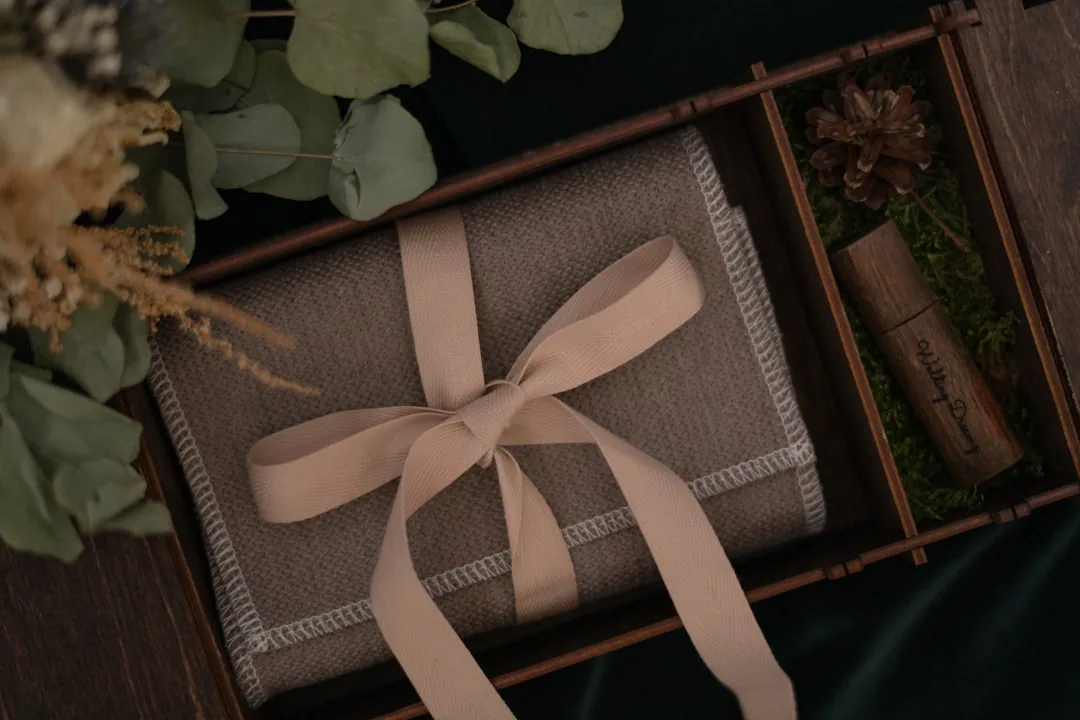
Most people have one: a perfectly good present sitting in a cupboard because it is not quite right for them. It may be beautiful, unopened, and useful to someone else, but regifting still feels morally noisy. Are you being practical, or are you passing along a problem with nicer wrapping? If you are still in the awkward receiving moment, start with how to respond politely when you do not like a gift before deciding what to do next.
It is OK to regift a present when the item is new, unused, suitable for the new recipient, and unlikely to embarrass the original giver. Regifting becomes rude when it is damaged, personalised, obviously unwanted, or moving inside the same social circle where the gift can be recognised.
The Deciding Factor: Better Match or Hidden Disposal?
Regifting is most defensible when the new recipient genuinely suits the item better than you do. It is weakest when the only goal is clearing space or avoiding effort. The ethical test is simple: would you still choose this item for the person if it had not already been in your cupboard? For a related next step, see gift giving etiquette in relationships.
Regifting Etiquette Table
| Situation | Regift? | Reason |
|---|---|---|
| New item, perfect for another person | Usually yes | The match is better |
| Personalised or handmade gift | No | The meaning belongs to the original exchange |
| Same friend group or family circle | Usually no | Recognition risk is high |
| Damaged, opened, expired, or incomplete | No | It becomes disposal, not gifting |
15 Regifting Rules That Keep It Polite
1. Regift Only New Items
Unopened, unused, and complete is the baseline. Choose this when: the item is genuinely fresh. Avoid this when: packaging is damaged. Closest alternative: donate it instead.
2. Remove Every Trace of the Original Giver
Check cards, tags, inscriptions, receipts, and hidden notes. Choose this when: the item is generic. Avoid this when: it carries any personal message. Closest alternative: keep it privately.
3. Match the New Recipient Properly
Do not regift just because someone is available. Choose this when: you would buy it for them anyway. Avoid this when: it only solves your storage problem. Closest alternative: choose a voucher.
4. Avoid the Same Social Circle
Friends, relatives, colleagues, and neighbours overlap more than you think. Choose this when: the circles are separate. Avoid this when: the giver and recipient may meet. Closest alternative: save it for a different context.
5. Never Regift Handmade Items
Handmade gifts carry labour and personal intention. Choose this when: almost never. Avoid this when: the maker could recognise it. Closest alternative: keep, use, or gently donate outside the circle.
6. Do Not Regift Personalised Gifts
Initials, dates, names, and inside jokes make the item belong to the first exchange. Choose this when: the personalisation somehow fits the new recipient exactly. Avoid this when: it obviously does not. Closest alternative: repurpose at home.
7. Check Expiry Dates
Food, beauty, candles, and supplements can age quietly. Choose this when: there is plenty of time left. Avoid this when: anything smells, separates, or looks old. Closest alternative: buy fresh.
8. Upgrade the Presentation
Fresh wrapping and a real note make the gift feel chosen. Choose this when: the item itself is right. Avoid this when: presentation is hiding a poor match. Closest alternative: add a small fresh item.
9. Be Careful With Workplace Regifting
Offices are small ecosystems with long memories. Choose this when: it is a generic Secret Santa item. Avoid this when: the original giver is in the building. Closest alternative: bring it to a swap table.
10. Do Not Regift to Save Face at the Last Minute
Urgency makes bad matches more likely. Choose this when: the item is genuinely suitable. Avoid this when: you are panicking. Closest alternative: send a thoughtful digital voucher. For a cleaner alternative, compare the etiquette around giving cash as a gift.
11. Keep a Note of Who Gave What
A simple list prevents social disasters. Choose this when: you receive many gifts. Avoid this when: you rely on memory. Closest alternative: do not regift uncertain items.
12. Do Not Regift Something You Have Complained About
If people heard you dislike it, the regift looks careless. Choose this when: nobody knows your reaction. Avoid this when: the complaint was public. Closest alternative: donate it quietly.
13. Tell the Truth Only When It Helps
You do not need to announce a regift, but do not invent a shopping story. Choose this when: the item is impersonal. Avoid this when: the recipient asks directly. Closest alternative: say you thought it suited them.
14. Never Regift Something Broken or Incomplete
Missing chargers, chipped items, or opened sets are not gifts. Choose this when: everything is complete. Avoid this when: you would apologise for its condition. Closest alternative: recycle, repair, or donate.
15. Add Something Chosen by You
A book with tea, a vase with flowers, or a game with snacks can make the gift feel intentional. Choose this when: the regift needs context. Avoid this when: the main item is wrong. Closest alternative: buy a smaller fresh gift.
Personalised Versus Flexible Gifts
Flexible gifts are usually safest to regift: candles, unopened games, wine, books, homeware, unused scarves, and duplicate gadgets. Personalised gifts usually fail because they carry a relationship signal from the original giver. If you are starting from scratch, choosing a personal gift when you do not know the recipient well is safer than forcing a regift.
Practical Value Versus Sentimental Value
Regifting works better with practical value than sentimental value. A good coffee grinder can move to someone who will use it. A handmade blanket from an aunt should not. If the original gift was meant to say I know you, passing it on changes the meaning.
If you are unsure whether the gift itself is the problem or the anxiety around it is, our piece on gift anxiety in relationships may help you separate etiquette from overthinking.
Frequently Asked Questions
Is it OK to regift a present?
Yes, if the item is new, unused, suitable for the new recipient, and unlikely to be recognised by the original giver. It is not OK when the item is personalised, damaged, handmade, expired, or passed within the same close circle.
Do you have to tell someone a gift is regifted?
You usually do not have to volunteer that a gift is regifted. Do not invent a false story, though. If asked directly, be simple: you had it unused and thought it suited them better.
What gifts should never be regifted?
Do not regift handmade items, personalised gifts, used products, damaged items, opened beauty products, expired food, anything with a hidden card, or gifts likely to be recognised in the same family, office, or friend group.
Can you regift a wedding or baby gift?
Be very careful. These gifts often carry emotional weight and may be remembered by the giver. Generic duplicates can sometimes be regifted outside the circle, but personalised or handmade items should not be passed on.
How do you make a regift feel thoughtful?
Only regift when the item genuinely suits the recipient. Rewrap it properly, add a fresh note, and consider pairing it with something chosen by you. The goal is to improve the match, not hide a reject.