
Personality
21 Thoughtful Gifts for Emotional People: Quality-First Picks
Find the best thoughtful gift for an emotional person with 21 durable, meaningful picks matched to personality patterns and daily habits.
She keeps birthday cards from ten years ago in a shoebox under her bed. He tears up at the end of nature documentaries and finds comfort in objects that carry stories. The emotional person in your life notices texture, remembers gestures, and forms deep attachments to things that feel considered rather than convenient. A rushed gift-shop purchase will sit unused; something chosen with care becomes a permanent fixture in their daily life.
Choosing a thoughtful gift for an emotional person means understanding that they experience life with heightened sensitivity to meaning. They don’t want more things—they want the right things. The challenge isn’t finding something expensive or impressive; it’s finding something that acknowledges who they are without demanding constant attention or creating obligation.
The best gift for an emotional person depends on whether they express emotion outwardly or process it privately. For outward processors, gifts that create shared ritual work well—objects they’ll associate with connection. For private processors, gifts that support solitary reflection without requiring display feel more comfortable. Craftsmanship matters more than price because emotional people form lasting attachments to well-made objects.
Traits That Should Shape Your Gift Choice
Emotional people aren’t a single category. Some wear their hearts openly and want gifts they can discuss and share. Others feel deeply but protect that sensitivity, preferring private objects that don’t invite questions. Before choosing, consider which pattern fits.
Outward processors talk through feelings, appreciate witness, and often display meaningful objects. They might keep a gifted photograph on their desk or mention a present repeatedly. Gifts that create connection points—objects that prompt conversation or shared use—feel natural to them.
Private processors feel intensely but internally. They may never mention a gift again yet use it daily for years. They’re uncomfortable with objects that broadcast emotion or demand explanation to visitors. Something they can slip into a pocket or keep in a drawer works better than something meant for display.
Ritual-oriented people find comfort in routine. A gift that integrates into their morning tea or evening unwinding becomes part of their emotional architecture. They’ll use it long after trendier options have been forgotten.
Collector-resistant people feel overwhelmed by accumulation. Even emotionally meaningful gifts can create guilt if they add to visual clutter. For these recipients, consumables or single high-quality replacements work better than additions.
Personality-to-Gift Match Table
| Personality Pattern | Gift Type That Works | Gift Type To Avoid |
|---|---|---|
| Outward processor | Shared-use objects, conversation starters | Private, concealed items |
| Private processor | Pocket-sized keepsakes, solo-use tools | Display pieces requiring explanation |
| Ritual-oriented | Morning or evening routine enhancers | Occasion-only items |
| Collector-resistant | Consumables, one-for-one replacements | Decorative additions |
| Nostalgia-driven | Archive-quality preservation items | Disposable or temporary objects |
| Texture-sensitive | Natural materials, tactile comfort | Synthetic or plasticky finishes |
21 Thoughtful Gifts for Emotional People
1. Vegetable-Tanned Leather Journal with Lay-Flat Binding
A journal made from full-grain vegetable-tanned leather develops a unique patina over years of handling, becoming a physical record of time spent reflecting. The lay-flat binding means no fighting with pages that won’t stay open during vulnerable moments of writing.
Habit it supports: Evening reflection or morning pages practice.
Personalisation idea: Blind debossed initials on the lower spine—visible only when they know to look.
Possible mismatch: Someone who prefers digital journaling or feels pressured by blank pages.
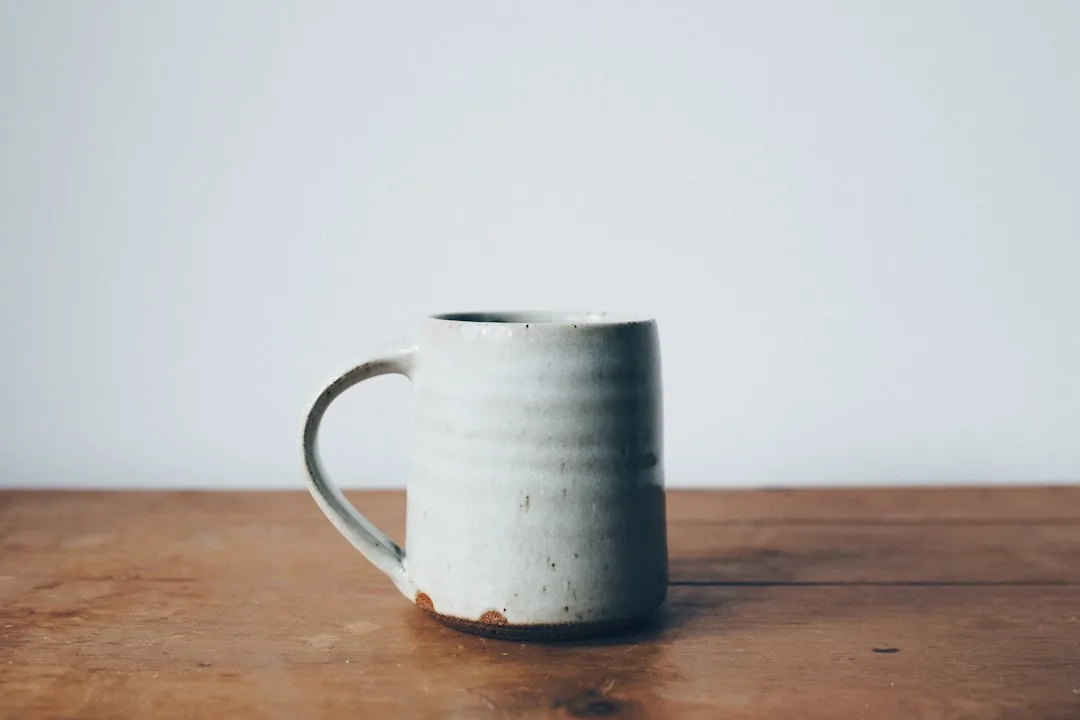
2. Hand-Thrown Ceramic Mug with Maker’s Mark
Factory mugs are interchangeable. A hand-thrown ceramic mug carries the fingerprints of its maker and develops tiny crazing lines that record every cup of tea shared or enjoyed alone. The imperfection is the point—it’s clearly chosen, not grabbed.
Habit it supports: Morning beverage ritual.
Personalisation idea: Commission a glaze colour that matches their kitchen or references a meaningful place.
Possible mismatch: Someone who values uniformity or dislikes handmade aesthetic variation.
3. Archival Photo Storage Box with Acid-Free Tissue
For someone who keeps physical photographs but worries about their deterioration, an archival box isn’t just storage—it’s permission to care properly about memories. Museum-quality materials protect for decades.
Habit it supports: Periodic revisiting of printed photographs.
Personalisation idea: Include a handwritten index card cataloguing a few shared memories to start.
Possible mismatch: Someone who has fully digitised their photo collection and doesn’t want physical prints.
4. Solid Brass Letter Opener
Emotional people often maintain correspondence habits that others have abandoned. A weighty brass letter opener turns envelope-opening into a small ceremony rather than tearing. It ages beautifully and lasts generations.
Habit it supports: Opening and savouring received mail.
Personalisation idea: Engraved with a date that matters—anniversary of moving to a new home, for instance.
Possible mismatch: Someone who rarely receives physical post or prefers tearing envelopes.
5. Refillable Fountain Pen with Converter
A fountain pen that uses bottled ink rather than disposable cartridges commits the user to maintaining it—a small ongoing relationship with an object. The act of writing becomes tactile and deliberate. More on this in gifts that show emotional connection.
Habit it supports: Handwritten notes, letters, or journaling.
Personalisation idea: Match the ink colour to something personally meaningful—their favourite flower, or the sea near where they grew up.
Possible mismatch: Left-handed writers who may smear wet ink, or those who dislike maintenance.
6. Hand-Stitched Linen Handkerchief Set
A genuinely well-made handkerchief—hem-stitched by hand, natural linen—is practical and symbolic. For someone prone to tears, it acknowledges their nature without embarrassment. These last decades with proper care.
Habit it supports: Daily carry for emotional moments or practical use.
Personalisation idea: Embroidered initials in thread that matches their most-worn coat.
Possible mismatch: Someone who finds handkerchiefs unhygienic or old-fashioned.
7. Beeswax Candle Set in Undyed Natural Wax
Unlike paraffin, beeswax burns cleanly with a subtle honey scent that doesn’t compete with other fragrances. For someone who creates atmosphere through lighting, these mark time without overwhelming. If you’re seeking alternatives, our guide to gifts for highly sensitive people includes additional scent-conscious options.
Habit it supports: Evening unwinding or bath-time ritual.
Personalisation idea: Choose taper candles for someone with a cherished candlestick, or pillars for minimalist spaces.
Possible mismatch: Someone sensitive to any scent, even natural, or with young children around open flames.
8. Woollen Blanket with Whipstitched Edge
A single high-quality wool blanket in a neutral tone replaces multiple cheaper throws. Whipstitched edges prevent unravelling for decades. It becomes their blanket—the one grabbed during difficult conversations or solitary reading.
Habit it supports: Sofa reading, napping, comfort-seeking.
Personalisation idea: Choose weight and weave based on whether they run warm or cold.
Possible mismatch: Wool allergy or sensitivity, or someone who prefers very lightweight throws.
9. Pewter Picture Frame with Room for One Photograph
Solid pewter develops a gentle lustre over time without tarnishing like silver. A single-photo frame forces a choice about what matters most—itself a meaningful act. The weight signals permanence.
Habit it supports: Displaying one significant photograph on a desk or bedside.
Personalisation idea: Include a printed photograph of a shared memory rather than leaving it empty.
Possible mismatch: Someone who prefers rotating digital frames or dislikes single-image constraints.
10. Hardback Poetry Anthology with Sewn Binding
A properly sewn poetry anthology opens flat, survives being dropped in bags, and invites repeated dipping. Choose a curated collection rather than complete works—someone else has done the selecting, which removes pressure.
Habit it supports: Bedtime reading or seeking words for unnamed feelings.
Personalisation idea: Mark a meaningful page with a ribbon and a short handwritten note.
Possible mismatch: Someone who doesn’t connect with poetry or prefers choosing their own books.
11. Japanese Incense with Ceramic Holder
Japanese incense burns more cleanly than Indian varieties, with shorter burn times that suit brief rituals. A ceramic holder that catches ash becomes part of the ritual object set rather than disposable.
Habit it supports: Morning meditation or evening transition marking.
Personalisation idea: Choose scents based on their existing preferences—sandalwood for warmth, hinoki for freshness.
Possible mismatch: Smoke-sensitive respiratory conditions, shared living spaces with objectors, or flats without ventilation.
12. Smooth River Stone as Worry Object
A palm-sized river stone, polished by water over centuries, requires no maintenance and lasts indefinitely. For someone who processes emotion through tactile grounding, it becomes a constant companion.
Habit it supports: Anxiety management through touch during difficult moments.
Personalisation idea: Source from a location with shared meaning—a beach visited together, a river near their childhood home.
Possible mismatch: Someone who finds worry objects embarrassing or doesn’t process through touch.
13. Linen Eye Pillow with Removable Washable Cover
An eye pillow with gentle weight helps signal rest time without relying on scent that might irritate. Choose one with a removable linen cover for washing—the long-term hygiene matters for daily use.
Habit it supports: Pre-sleep wind-down or migraine management.
Personalisation idea: Select unscented for maximum flexibility, or lavender only if you’re certain they welcome it.
Possible mismatch: Someone who finds pressure on their eyes uncomfortable or claustrophobic.
14. Brass Desk Valet for Daily Pocket Items
A solid brass tray creates a home for keys, wallet, and watch—the ritual of emptying pockets becomes an arrival home. The weight prevents sliding; the material improves with handling. See also: what are good gifts for thoughtful people.
Habit it supports: End-of-day transition from outside world to home space.
Personalisation idea: Engraved with their address or a phrase about home.
Possible mismatch: Someone who empties pockets elsewhere or prefers hidden storage.
15. Hand-Forged Iron Wall Hook
A single blacksmith-forged hook for a coat or bag becomes a permanent fixture. Each hammer strike is visible, and the iron develops protective patina rather than rusting. It acknowledges that where they hang their coat matters.
Habit it supports: Arriving home ritual—coat on hook, day transitioning.
Personalisation idea: Commission a shape that references something meaningful—a leaf, a wave.
Possible mismatch: Renters without permission to drill, or those who prefer concealed storage.
16. Single-Origin Loose-Leaf Tea in Reusable Tin
Rather than a sampler that creates decision fatigue, one excellent loose-leaf tea in a refillable tin becomes a ritual anchor. Choose a familiar variety elevated rather than something experimental.
Habit it supports: Daily tea-making as emotional reset.
Personalisation idea: Match to their existing preference—if they drink Earl Grey, find a premium bergamot-forward version.
Possible mismatch: Coffee-only drinkers or those who prefer teabag convenience.
17. Walnut Wood Bookend Pair
Solid walnut bookends heavy enough to support real weight prevent shelf chaos and age gracefully. For someone whose books matter emotionally, keeping them upright and visible honours that attachment.
Habit it supports: Maintaining a curated physical bookshelf.
Personalisation idea: Choose a wood tone that matches their existing shelving.
Possible mismatch: E-reader converts with minimal physical book collections.
18. Hand-Bound Sketchbook with Deckle-Edge Paper
The uneven deckle edge signals handmade quality before the book is even opened. A lay-flat sewn binding supports drawing without fighting the spine. The tactile experience matters as much as the blank space.
Habit it supports: Visual journaling, doodling, or mixed-media art practice.
Personalisation idea: Choose paper weight based on their medium—heavier for watercolour, lighter for pencil.
Possible mismatch: Someone who draws digitally or feels intimidated by art supplies.
19. Brass Keyring with Swivel Clip
A well-made brass keyring is carried daily and touched constantly. Over months, it develops a personal patina from their specific handling. The swivel clip prevents twisted pockets.
Habit it supports: Daily key carrying as unconscious tactile comfort.
Personalisation idea: Engraved coordinates of a meaningful location.
Possible mismatch: Someone who uses a smart lock system and rarely carries keys.
20. Cotton Mesh Produce Bags in Canvas Pouch
For someone who feels anxious about environmental impact, durable organic cotton mesh bags in a compact canvas pouch address recurring grocery guilt. They last years with washing.
Habit it supports: Weekly shopping without single-use plastic.
Personalisation idea: Embroider the pouch with their initial for easy identification at checkout.
Possible mismatch: Someone who primarily uses delivery services or doesn’t carry bags.
21. Handwritten Letter on Quality Paper
Not a purchased product but a crafted gift: a substantial letter on good paper, written carefully in ink, expressing what you value about them. Use laid or cotton paper that handles fountain pen ink without bleeding. This costs nothing but time—often the most meaningful resource.
Habit it supports: Their habit of keeping meaningful correspondence.
Personalisation idea: Reference specific shared memories rather than generic praise.
Possible mismatch: Someone who finds overt emotional expression uncomfortable or prefers actions to words.
Routine-Friendly Choices for Maximum Use
Emotional people often derive comfort from repetition. The gifts most likely to become permanent fixtures are those that attach to existing habits rather than requiring new ones. We go deeper on this in a sentimental gift for a husband on your first anniversary.
Morning routine: The ceramic mug, loose-leaf tea, and brass valet integrate into waking and preparing for the day. They’re touched before emotional defences are fully raised.
Evening routine: The woollen blanket, beeswax candles, and eye pillow support wind-down time when emotional processing often happens naturally.
Daily carry: The handkerchief set, worry stone, and brass keyring become constant companions touched dozens of times daily without conscious thought.
If you’re uncertain about their specific routines, asking the right questions beforehand can reveal which habits might welcome enhancement.
Private Versus Display-Worthy Gifts
Emotional people vary significantly in whether they want their feelings visible to others. Misjudging this creates discomfort.
Private gifts—best for those who protect their emotional lives—include the worry stone, handkerchiefs, keyring, and journal. These are used or carried without requiring explanation.
Display-worthy gifts—suitable for those comfortable with visible emotion—include the pewter frame, bookends, wall hook, and ceramic mug. These invite questions and acknowledge their nature openly.
When uncertain, err toward private. A private gift can always be shared by choice; a display gift creates pressure that can’t be undone.
Signs a Gift Will Feel Mismatched
Even thoughtful gifts can miss if they don’t match the recipient’s specific patterns. Watch for these warning signs before purchasing:
- They’ve mentioned decluttering recently. Any physical object—even a beautiful one—may create guilt rather than joy.
- They’ve never mentioned the category. Giving someone incense when they’ve never burned any assumes a habit they don’t have.
- The gift requires public acknowledgement. A very emotional person who processes privately may feel exposed by a gift designed for display.
- It needs explanation. If you have to explain why the gift is meaningful, the meaning hasn’t come through naturally.
- It creates maintenance obligation. A fountain pen requires cleaning; a leather journal needs conditioning. Some emotional people find maintenance comforting; others find it burdensome.
The safest gifts are those that enhance existing habits with better materials, not those that introduce entirely new practices. When looking at gifts for quiet people, similar principles apply—meeting someone where they are rather than where you imagine they could be.
Frequently Asked Questions
What makes a gift feel thoughtful to an emotional person?
Thoughtfulness registers through specificity rather than expense. An emotional person notices when you’ve chosen something that fits their actual habits—the right size for their bag, a colour that matches their space, a material they’ve mentioned enjoying. Generic luxury reads as effort-avoidance.
Should I give an emotional person something sentimental or practical?
The best gifts are both. A practical object used daily can carry sentimental weight precisely because it’s touched repeatedly. A purely sentimental object without practical function often creates display pressure or guilt about not using it.
How do I avoid overwhelming an emotional person with a gift?
Scale down rather than up. One perfectly chosen item lands better than a collection. Avoid gifts that demand immediate emotional response—consumables or useful objects allow them to process their reaction privately.
Is handmade always better for emotional people?
Handmade signals consideration but isn’t universally better. Some emotional people prefer clean minimalist design over artisanal imperfection. Match the aesthetic to their existing taste rather than assuming handmade equals meaningful.
What if I don’t know their specific preferences?
Choose high-quality consumables that don’t accumulate—excellent tea, good candles, beautiful paper. These avoid the risk of adding unwanted permanent objects while still demonstrating care in selection.
Should I include a card or letter with the gift?
For emotional people, written words often matter as much as the object. A genuine note explaining why you chose this specific thing—even just a few sentences—transforms a purchase into a gesture. Keep it honest rather than performatively emotional.
How important is the presentation for an emotional person?
More important than for most recipients, but authenticity beats elaboration. Natural paper, reusable wrapping, or even plain brown paper with a handwritten tag reads as more considered than glossy excessive packaging that gets discarded.