
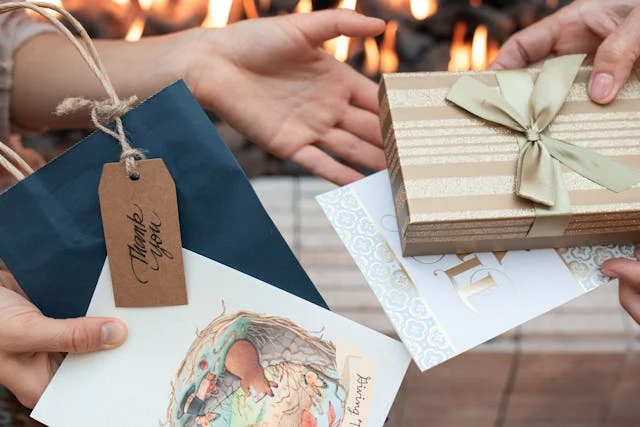
Have you ever handed over a gift that looked perfect on paper, only to be met with a polite smile and a quiet sense that it missed the mark? I have—and it taught me something uncomfortable but valuable: good gifts are rarely about money or trends; they are about asking the right questions.
Over the past decade, through gifting for family, close friends, academic mentors, and professional colleagues, I have learned that the most appreciated gifts almost always begin with curiosity, not shopping. Behavioural research supports this intuition. Studies in consumer psychology consistently show that recipients value gifts that signal understanding and emotional effort more than those that are expensive or fashionable (Ward & Broniarczyk, Journal of Consumer Research).
This article breaks down the exact questions you should ask—mentally or directly—before choosing a personal gift, why those questions matter, and how they align with how people experience meaning, identity, and appreciation. The goal is not to give you a list of products, but a repeatable decision framework you can use for any recipient, any occasion, and any budget.
Question 1: What does this person value more—utility, emotion, or experience?
This is the foundational question, and skipping it is the most common gifting mistake.
Some people love useful objects that quietly improve their daily routine. Others cherish emotionally symbolic items. A third group prefers memories and experiences over physical possessions.
When I once gifted a leather-bound planner to a colleague who valued efficiency, it became part of their daily workflow. When I gave the same style of gift to a close friend who values sentiment, it sat untouched. The difference was not taste—it was value orientation.
Psychologist Dr Thomas Gilovich of Cornell University, whose work on experiential consumption is widely cited, has shown that people derive longer-lasting happiness from experiences than material goods, but only if experiences align with personal values. That nuance matters.
Practical prompt:
Ask yourself: When this person talks excitedly, are they describing things they use, moments they felt, or experiences they lived?
Question 2: What problem does this person regularly complain about—but never fixes?
One of the most underused gifting strategies is attentive listening.
Think about recurring frustrations:
- “I can never sleep properly.”
- “My desk is always a mess.”
- “I never find time for myself.”
A gift that gently addresses a recurring annoyance signals deep attentiveness. According to research on perceived responsiveness in relationships (Reis et al., Journal of Personality and Social Psychology), people feel more emotionally understood when others respond to their expressed frustrations.
A nutritionist friend once told me that the most meaningful gift she received was not a book or accessory, but a simple meal-planning tool—because she had complained about decision fatigue for months.
Important caveat: Never gift something that implies criticism (for example, fitness gear for someone insecure about weight). The question is not “What should they fix?” but “What do they already wish were easier?”
Question 3: Where is this person in their life right now?
Context changes everything.
A gift that would delight someone in one life stage may feel irrelevant—or even painful—in another. Career transitions, grief, parenthood, relocation, or burnout all shape how a gift is interpreted.
During my doctoral preparation years, I noticed that practical, grounding gifts mattered far more to me than aspirational ones. This aligns with life-stage consumption theory, which shows that consumers prioritise stability and emotional reassurance during periods of uncertainty.
Ask yourself:
- Are they celebrating, coping, rebuilding, or resting?
- Does this gift acknowledge that reality?
Gifts that ignore context often feel performative rather than personal.
Question 4: Does this gift reflect who they are or who I think they should be?
This is a difficult but essential distinction.
Many disappointing gifts fail because they reflect the giver’s aspirations, not the recipient’s identity. Identity-based consumption research shows that people feel strongest attachment to products that reinforce their actual self, not an idealised version imposed by others.
A chef I interviewed while researching gifting rituals once said: “The best gifts say, ‘I see you as you are,’ not ‘I want you to become someone else.’”
Before choosing a gift, ask:
- Does this align with their habits, not mine?
- Would they recognise themselves in this choice?
If the answer feels uncertain, pause.
Question 5: What emotional response do I want this gift to create?
Every gift creates an emotional outcome—whether intentional or not.
Do you want them to feel:
- Comforted?
- Celebrated?
- Understood?
- Encouraged?
Marketing research consistently demonstrates that emotional framing shapes perceived value more than functional features. A simple object paired with the right emotional intention often outperforms an expensive but emotionally neutral gift.
When I began writing handwritten notes explaining why I chose a particular gift, the response changed dramatically. Recipients remembered the intention long after the item itself.
Actionable step: Write one sentence answering: “I want them to feel…” before you shop.
Question 6: How much decision effort will this gift require from them?
This is rarely discussed, yet critically important.
Some gifts create joy; others create obligation. Complex gifts that require setup, learning, maintenance, or public use can unintentionally burden the recipient.
Behavioural economist Barry Schwartz’s work on choice overload suggests that too many decisions reduce satisfaction. A thoughtful gift often reduces effort rather than adds to it.
Before finalising a gift, ask:
- Will this simplify their life—or complicate it?
- Does it require enthusiasm they may not currently have?
Thoughtfulness includes respecting cognitive and emotional bandwidth.
Question 7: Would this gift still feel meaningful in five years?
Evergreen gifting matters.
Trendy items date quickly. Meaningful gifts age well because they are tied to identity, memory, or utility rather than fashion. The most appreciated gifts I have witnessed were not trend-led but context-rooted.
Ask yourself:
- Is this connected to a lasting value or moment?
- Will it trigger recognition or nostalgia later?
This future-oriented question helps avoid impulse decisions driven by marketing noise.
Frequently Asked Questions (FAQ)
What makes a gift feel truly personal?
A gift feels personal when it reflects attentive listening, contextual awareness, and emotional intent. Research shows that perceived effort and understanding matter more than price.
Is it better to ask someone directly what they want?
It depends on the relationship. Direct asking works well for practical personalities. For emotional gifting, observational insight often creates stronger impact.
Are experience gifts better than physical gifts?
Not universally. Experiences outperform objects only when they align with the recipient’s preferences and life context.
How can I personalise a gift on a small budget?
Personalisation comes from meaning, not cost. Notes, memory cues, or problem-solving relevance often outperform expensive items.
Practical takeaway: a simple 5-minute gifting checklist
Before purchasing any personal gift, answer these five prompts:
- What does this person value most right now?
- What recurring frustration could this gently ease?
- What emotional response am I aiming for?
- Does this reflect who they are today?
- Will this feel thoughtful in five years?
If you can answer all five clearly, your gift is likely to be appreciated.
Final thoughts
Choosing a personal gift is less about creativity and more about attention. The right questions transform gifting from guesswork into understanding. When a gift communicates, “I see you,” it succeeds—regardless of size, cost, or occasion.
If you have ever received a gift that genuinely moved you, I would encourage you to reflect: Which question did the giver unknowingly answer correctly?
I would love to hear your experiences. What was the most thoughtful gift you have ever received—and why did it matter? Share your thoughts below and continue the conversation.
Read Also: Perfume as a Gift: Is it too Risky?