
Personality
29 Best Gifts For People Who Love Staying Organized
Find the best gifts for people who love staying organized. Practical picks that mark progress, reduce friction, and feel genuinely thoughtful.
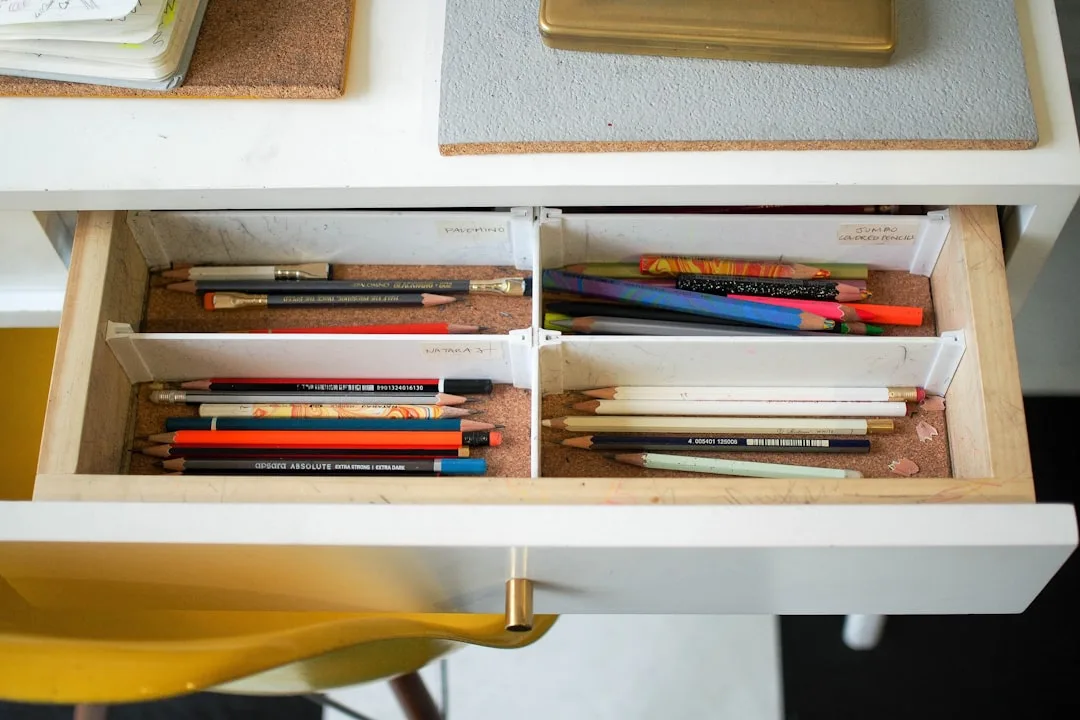
Picture the moment: they slide open a drawer and everything sits in its designated place. They reach for their keys and find them exactly where they should be. For someone who finds genuine satisfaction in order, the right gift becomes part of that daily ritual of control and calm.
What are the best gifts for people who love staying organised? The answer depends less on aesthetics and more on whether your gift solves a real friction point or celebrates a system they’ve already built. The organised person doesn’t need more stuff—they need better stuff, or tools that acknowledge how much thought they’ve put into their environment.
This guide focuses on gifts that mark a kind of progress: a new chapter in their home, a workspace upgrade, or simply the recognition that their approach to life deserves considered, well-made objects.
The strongest gifts for organised people share three qualities: they solve a specific friction point rather than adding general clutter, they’re made from durable materials that justify permanent placement, and they acknowledge the recipient’s existing systems rather than imposing new ones. Standout examples include personalised leather cable organisers, modular drawer dividers, and premium label makers with multiple tape widths.
What Makes a Strong Gift for Someone Who Values Order
Not every organising product makes a good gift. The organised person has likely already solved their most obvious problems. What they often haven’t done is upgrade the cheap, functional solutions they’ve tolerated for years.
Material quality matters more than cleverness. A bamboo desk organiser that will last fifteen years trumps a plastic gadget with more compartments. Organised people notice craftsmanship because they live with objects daily.
Specificity beats versatility. Generic ‘organisation sets’ often include items they don’t need. A single beautifully made tool for one task they actually perform is more valuable than a kit they’ll partially discard.
Acknowledge their investment. Someone who has spent years building systems wants gifts that fit those systems, not gifts that require starting again. When possible, choose items in neutral colours or standard sizes that integrate rather than clash.
29 Best Gifts For People Who Love Staying Organized
1. Leather Cable Organiser with Personalised Initials
Why it works: Cables represent a permanent battle for the organised person. A leather roll or wrap with debossed initials transforms a functional task into something that feels intentional, marking their commitment to order as worthy of craft. Check out this Leather Cable Organiser with Personalised Initials
Best for: Someone who travels for work or has recently upgraded their home office setup.
Buying risk: Measure their most-used cables first. Some organisers won’t accommodate laptop charging cables with larger power bricks.
2. Modular Bamboo Drawer Dividers
Why it works: Unlike fixed organisers, modular dividers let the recipient build exactly the configuration they need. This respects their expertise rather than overriding it. Quality bamboo versions feel substantial and won’t slide around. You will love these Bamboo Drawer Dividers
Best for: Someone who has recently moved house or mentioned frustration with a specific drawer.
Buying risk: Drawer depths vary wildly. Ask for rough measurements or photograph the drawer under a friendly pretence.
3. Premium Label Maker with Multiple Tape Widths
Why it works: The organised person probably owns a basic label maker. Upgrading to a model with multiple tape sizes, fonts, and laminated options acknowledges that their labelling habit deserves professional-grade tools. This marks their identity as someone who takes systems seriously.
Best for: Pantry enthusiasts, home archivists, or anyone who has shown you their labelled containers with obvious pride.
Buying risk: Thermal label makers (no ink required) are more practical long-term. Avoid models that lock you into proprietary tape at inflated prices.
4. Solid Walnut Desk Valet
Why it works: A proper valet gives everyday carry items—keys, wallet, watch, phone—a permanent home. Walnut develops a patina over years, meaning this gift improves rather than degrades with time.
Best for: Someone who has achieved a milestone like a new job or first home, and deserves an entry ritual that feels significant.
Buying risk: Ensure the tray accommodates larger phones if they use a thick case. Some valets are purely decorative with impractical proportions.
5. Wall-Mounted Key Cabinet with Glass Door
Why it works: Open hooks look chaotic. A small cabinet with a glass door displays keys beautifully while keeping them contained. For the organised person, this turns a mundane necessity into a feature rather than an eyesore.
Best for: Someone managing multiple property keys, or anyone who has mentioned losing keys despite having a designated spot.
Buying risk: Check wall-mounting capability before purchase. Some require specific wall types or leave visible holes if removed.
6. Archive-Quality Photo Storage Box Set
Why it works: Digital photos dominate, but most people still have inherited prints, childhood albums, or sentimental documents. Acid-free archival boxes with dividers let them preserve family history properly—a project that marks a transition into being the keeper of memories.
Best for: Someone who has inherited family photos, recently become a parent, or mentioned wanting to organise old prints.
Buying risk: Include archival photo sleeves or interleaving tissue. The box alone won’t protect photos from acid migration from adjacent items.
7. Magnetic Spice Jars with Oak Wall Mount
Why it works: Traditional spice racks waste cabinet space. Magnetic jars mounted on a wall or inside a cupboard door free up an entire shelf while keeping spices visible. For kitchen organisers, this represents peak efficiency. Check out these Magnetic Spice Jars
Best for: Home cooks who have already invested in their pantry organisation and are ready for the final upgrade.
Buying risk: Some magnetic systems use weak magnets that fail when jars are full. Read reviews specifically mentioning heavy-spice performance.
8. Linen Storage Magazine Files with Brass Label Frames
Why it works: Magazine files corral documents, catalogues, and manuals beautifully. Linen-covered versions with brass label holders look intentional on a shelf rather than purely utilitarian. They mark a home office that has graduated from function to considered design.
Best for: Someone who values visible order in shared spaces, or anyone transitioning to more permanent home office furniture.
Buying risk: Buy in sets of at least three. Single files look incomplete; consistency matters to organised people.
9. Desktop Cable Management Tray
Why it works: Under-desk cable trays hide the inevitable tangle of power cables, chargers, and monitor leads. A quality metal tray with proper cable guides transforms the view beneath a desk from chaos to invisibility. Check out this Desktop Cable Management Tray
Best for: Anyone with a standing desk (where cables are more visible) or someone who has recently invested in desk aesthetics.
Buying risk: Measure desk thickness before ordering. Clamp-mounted trays have maximum thickness limits that exclude some solid wood desks.
10. Hardcover Household Management Binder
Why it works: A proper household binder with dividers for maintenance schedules, warranty information, emergency contacts, and annual planning acknowledges that running a home is real work. For someone who already does this in scattered notebooks, consolidation feels like recognition.
Best for: New homeowners, or anyone managing a household with multiple people and schedules.
Buying risk: Choose a system with customisable sections. Pre-printed tabs rarely match anyone’s actual categories.
11. Japanese Stationery Organiser Box
Why it works: Japanese stationery organising boxes—typically sold by brands like Muji or Midori—use precise compartments for pens, clips, stamps, and sticky notes. The craftsmanship signals that even small-object storage deserves consideration. For stationery enthusiasts who journal, this elevates their desk setup.
Best for: Desk workers who use physical stationery daily, or anyone whose pencil cup has become a catch-all.
Buying risk: Sizes vary significantly. Measure their current desk space and preferred pen/pencil dimensions before committing.
12. Tech Pouch with Elastic Grid Interior
Why it works: Elastic grid organisers let tech accessories travel without tangling. Earphones, adapters, cables, and USB drives each get their own stretched pocket. For frequent travellers, this transforms bag chaos into compartmentalised calm.
Best for: Business travellers, digital nomads, or anyone who has complained about bag-bottom cable tangles.
Buying risk: Test elasticity reports in reviews. Cheap versions lose tension within months, defeating the purpose.
13. Solid Brass Pencil Cup
Why it works: A heavy brass cup doesn’t tip when you grab a pen. It develops character over years. It suggests that the owner’s tools deserve a permanent, beautiful home. This is a gift that marks the transition from ‘functional desk’ to ‘workspace with integrity’. You will love this Pencil Cup
Best for: Professionals who have invested in quality pens, or anyone whose desk is visible during video calls.
Buying risk: Unlacquered brass will patina and may leave marks on light-coloured desks. Include a felt pad if not already attached.
14. Clear Acrylic Pantry Bins with Built-In Handles
Why it works: Pantry organisation has become genuinely popular, but many people use whatever containers they had. Matching clear bins with handles create visual uniformity and make everything accessible. The upgrade feels like completing a project.
Best for: Someone who has already begun pantry organisation and is ready for the ‘finished’ aesthetic.
Buying risk: Measure shelf depth. Bins that are too deep waste space; bins too shallow won’t accommodate common items like cereal boxes.
15. Weekly Planner Desk Pad
Why it works: Despite digital calendars, many organised people prefer visual weekly overviews on their desk. A properly designed pad with tear-off sheets, sturdy backing, and thoughtful layouts bridges analog preference with practical workspace protection.
Best for: People who still write lists by hand, or anyone transitioning back from purely digital planning.
Buying risk: Some pads use glossy paper that smears under certain pens. Confirm compatibility if they have a preferred pen type.
16. Leather Watch Roll
Why it works: A watch roll stores and protects watches during travel or when not worn. For someone with even two or three watches, this prevents scratches and tangles while marking their collection as worthy of care.
Best for: Watch collectors of any level, or someone who recently received or purchased a significant timepiece.
Buying risk: Count their watches and check sizes. Oversized sports watches won’t fit rolls designed for dress watches.
17. Under-Sink Storage Rack
Why it works: The space beneath kitchen and bathroom sinks is notoriously difficult to organise due to plumbing obstacles. Adjustable racks designed specifically for this space can double usable storage—a genuine problem-solving gift. You will love this Under-Sink Storage Rack
Best for: Anyone who has mentioned under-sink frustration, or renters who can’t modify cabinetry.
Buying risk: Measure the space around pipes carefully. ‘Adjustable’ doesn’t mean ‘fits all configurations’.
18. Portable Charging Station with Device Slots
Why it works: Multi-device households struggle with charging chaos. A dedicated station with upright slots and integrated cable management gives phones, tablets, and earbuds designated homes. This is infrastructure for people who value daily routines.
Best for: Families, couples with multiple devices, or anyone whose kitchen counter has become a charging dumping ground.
Buying risk: Verify the station doesn’t include built-in cables—these limit device compatibility and become obsolete when ports change.
19. Archival Art Print Storage Portfolio
Why it works: Unframed prints, children’s artwork, and certificates often end up rolled or stacked. An archival portfolio with acid-free sleeves protects these items properly while keeping them accessible for eventual framing or display.
Best for: Art collectors, parents saving children’s work, or anyone who has mentioned a backlog of unframed prints.
Buying risk: Match portfolio size to their most common artwork dimensions. A2 is versatile; larger sizes become storage problems themselves.
20. Bedside Caddy with Pockets
Why it works: Organised people often neglect their sleep environment. A caddy that tucks between mattress and frame holds phones, books, glasses, and remotes without requiring a bulky nightstand. It solves surface clutter where they actually spend time.
Best for: Anyone with a small bedroom, or someone who has mentioned bedside table overflow.
Buying risk: Weight capacity varies. Heavier items like tablets may cause cheaper caddies to sag or slip.
21. Expandable Kitchen Drawer Organiser
Why it works: Cutlery and utensil drawers drift into chaos quickly. An expandable organiser that adjusts to drawer width and adds dividers for serving pieces acknowledges that kitchen organisation requires ongoing attention.
Best for: Home cooks who have upgraded their utensils but still use a flimsy plastic organiser from years ago.
Buying risk: Bamboo versions are more attractive but require occasional oiling. Plastic is more practical for busy households.
22. Linen Closet Shelf Dividers
Why it works: Stacked towels and linens collapse into each other without dividers. Clip-on or tension-mounted dividers create discrete sections that stay upright. For someone who has achieved order elsewhere, the linen closet is often the neglected frontier.
Best for: Anyone who has recently organised other areas and is ready to tackle storage spaces.
Buying risk: Measure shelf thickness. Clip-on dividers have maximum thickness limits that may exclude older or custom shelving.
23. Desktop File Sorter with Tiered Slots
Why it works: Paper persists despite digital alternatives. A tiered sorter keeps current documents visible and accessible without horizontal stacking. For those who need to action physical paperwork, this creates a proper workflow.
Best for: Self-employed professionals, anyone managing household admin, or students handling coursework.
Buying risk: Slot width matters. Documents in plastic sleeves need wider slots than single sheets.
24. Hanging Closet Organiser with Clear Pockets
Why it works: Accessories like scarves, belts, and small bags often lack dedicated homes. A hanging organiser with clear pockets makes contents visible while using vertical closet space efficiently.
Best for: Anyone with a full wardrobe but limited drawer space, or someone who has struggled to see what accessories they own.
Buying risk: Check rod strength. Heavy-duty organisers may overload older or hollow closet rods.
25. Receipt and Warranty Organiser Box
Why it works: Everyone knows they should keep warranties and receipts. Few people have a system for doing so. A dedicated box with monthly or category dividers turns good intentions into actual infrastructure. You will love this Receipt and Warranty Organiser Box
Best for: New homeowners accumulating appliance documentation, or anyone who has missed a warranty claim due to lost paperwork.
Buying risk: Include a pen or label maker tape. The box alone won’t motivate consistent filing without visible organisation.
26. Car Boot Organiser with Collapsible Sides
Why it works: Vehicle organisation is frequently overlooked. A collapsible boot organiser keeps shopping bags, emergency supplies, and sports equipment separated without sliding around. For drivers, this brings home-level order to their mobile space.
Best for: Parents, pet owners, or anyone who uses their car for regular errands rather than just commuting.
Buying risk: Measure boot dimensions. Some organisers are too large for hatchbacks or too small to be useful in estate cars.
27. Jewellery Organiser with Ring Rolls and Compartments
Why it works: Jewellery tangles cause daily frustration and actual damage. A proper organiser with dedicated ring rolls, earring holes, and necklace hooks prevents both. This acknowledges their collection as worth protecting.
Best for: Anyone who owns more than basic jewellery, or someone who has recently inherited or received significant pieces.
Buying risk: Match organiser style to their jewellery type. Heavy necklace collectors need different storage than earring enthusiasts.
Our portable jewellery storage box is another lined storage option for a small collection. Check its compartment layout against the recipient’s rings, earrings and necklaces before choosing it.
28. Floating Wall Shelf with Hidden Compartment
Why it works: A shelf that appears minimal but contains a hidden drawer or compartment lets organised people store items without visible clutter. This is functional art—order that looks like design.
Best for: Minimalists, small-space dwellers, or anyone who values clean visual lines in calm living spaces.
Buying risk: Weight capacity is critical. Hidden compartments add load requirements that basic wall anchors may not meet.
29. Personalised Return Address Stamp
Why it works: For someone who sends physical post—cards, packages, official documents—a custom address stamp turns a repetitive task into a single motion. It’s a small efficiency upgrade that acknowledges their attention to correspondence detail.
Best for: Anyone who sends regular post, runs a small business from home, or has recently moved to a new address.
Buying risk: Verify address details carefully before ordering. Custom stamps cannot be corrected after production.
Fast Shortlist by Use Case
For the home office worker: Desktop cable management tray, brass pencil cup, or linen magazine files.
For the kitchen organiser: Magnetic spice jars, expandable drawer organiser, or clear pantry bins.
For the frequent traveller: Tech pouch with elastic grid, leather watch roll, or personalised cable organiser.
For the new homeowner: Household management binder, receipt organiser box, or wall-mounted key cabinet.
For the wardrobe curator: Hanging closet organiser, jewellery organiser, or linen closet dividers.
Experience Versus Physical Gift
Organisation-lovers are less suited to experience gifts than many recipients. Their satisfaction comes from daily systems, not one-off events. A beautiful object they’ll use every morning provides more value than a day out they’ll remember fondly but rarely think about.
The exception: professional organising consultations. For someone who has plateaued in their own efforts, an hour with a professional organiser can provide techniques and perspectives they wouldn’t discover alone. This works only if you know they’d welcome outside input—many organised people prefer their own methods.
Delivery and Return-Risk Guidance
Organisation gifts face a unique challenge: dimensions matter enormously. A drawer organiser that’s two centimetres too wide is useless. Consider these strategies: More on this in meaningful gifts for someone you love.
- Photograph their existing setup under a casual pretence before ordering anything size-dependent.
- Choose retailers with free returns for anything that requires precise fit.
- Favour adjustable or modular options when exact dimensions are unknown.
- Include gift receipts without apology—organised people understand that fit matters and won’t take it personally.
For personalised items, triple-check spelling before ordering. Custom products cannot be returned for errors that appeared in your order.
Common Buying Mistakes
Buying organisers for problems they’ve already solved. The organised person has likely addressed their most obvious friction points. Ask about remaining frustrations rather than assuming.
Prioritising aesthetics over function. A beautiful object that doesn’t quite work becomes clutter—the opposite of what they want. Function first, then find the beautiful version.
Assuming they want more capacity. Organised people often prefer constraints that force editing. A larger closet system may feel like an obligation to fill it rather than a gift.
Gifting organisation books. Unless they’ve explicitly requested recommendations, books about organisation can feel like a criticism of their current methods.
Choosing trendy over timeless. Organisation tools should last years. Avoid colours, patterns, or materials that will look dated within a season.
Read Also: Best Gifts For People Who Always Lose Things
Frequently Asked Questions
What do you buy someone who already has everything organised?
Focus on upgrades rather than additions. Replace functional but cheap items they’ve tolerated—plastic drawer dividers, basic label makers, wire cable organisers—with beautifully made versions of the same thing. Quality materials and craftsmanship acknowledge their standards without adding clutter.
Are organisation gifts too practical for a birthday?
For someone who genuinely loves being organised, practical gifts feel more personal than generic luxuries. The key is choosing items they would want but wouldn’t buy themselves—a leather cable organiser rather than a basic velcro set, or solid brass desk accessories rather than plastic.
How do I know what organisation problems they still have?
Ask about what frustrates them rather than what they need. Organised people will mention the drawer that doesn’t work, the space that defeats them, or the system they’ve been meaning to upgrade. These frustrations reveal gift opportunities they’d genuinely appreciate.
Should I avoid personalised organisation gifts?
Personalisation works well for items that won’t need returning—address stamps, leather accessories, stationery—but creates problems for size-dependent items. A personalised drawer organiser that doesn’t fit becomes clutter they can’t return or regift.
What price range works for organisation gifts?
Organisation gifts span from £15 label makers to £150 desk systems. The sweet spot is typically £25-60 for a single well-made item that upgrades something they use daily. Multiple cheap items feel like a collection of problems to solve; one quality piece feels like recognition.
Do organisation gifts work for people who aren’t naturally tidy?
Generally, no. Organisation gifts should go to people who actively enjoy creating and maintaining systems. For messy recipients, these gifts can feel like criticism. Consider cosy comfort gifts or consumables instead.
What’s the difference between useful and boring for organised people?
Boring gifts solve problems they’ve already solved with adequate tools. Useful gifts solve problems they’ve tolerated, upgrade tools they use daily, or acknowledge systems they’re proud of. The difference is attention to what they specifically need, not what organisers generally need.