
Meaning & Symbolism
Perfume as a Gift: Is it too Risky?
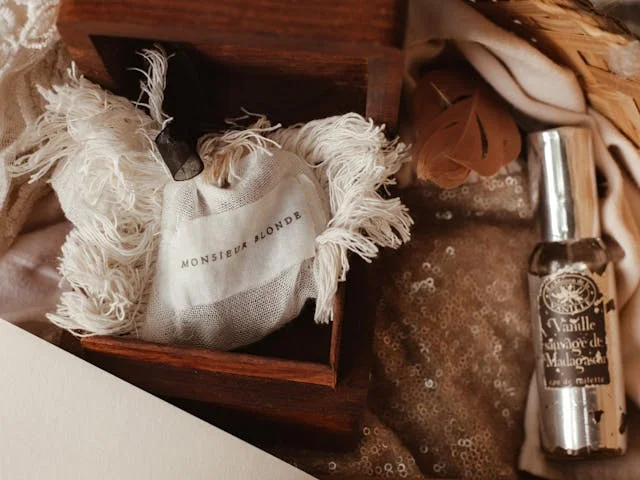
Have you ever stood in a perfume aisle, holding a beautifully boxed fragrance, and thought: “This is either going to be the most memorable gift… or a complete disaster”?
I still remember the first time I gifted a perfume with full confidence—and full anxiety. It was for a close friend’s milestone birthday. I knew her style, her wardrobe, even her coffee order. But scent? That felt dangerously intimate. When she opened it, there was a pause. A smile. Then relief. She loved it. Later, she told me something important: it wasn’t just the smell—it was the thought behind why I chose it.
That moment stayed with me, and it’s why the question “is perfume as a gift too risky?” deserves a nuanced, evidence‑based answer rather than a simple yes or no. Perfume is personal, emotional, and culturally loaded—but it’s also one of the most meaningful gifts when done right.
This article unpacks the real risks, the hidden advantages, and the expert‑backed strategies that turn perfume gifting from a gamble into a considered, confidence‑driven choice.
Why people worry about gifting perfume
Perfume sits in a unique category of gifts. Unlike clothing or gadgets, it interacts directly with memory, identity, and even biology.
Scent is deeply subjective (and scientific)
Neuroscientists have long established that smell is the sense most strongly linked to memory and emotion. According to research published in Chemical Senses, odours bypass the thalamus and connect directly to the limbic system—the brain’s emotional centre. This explains why a fragrance can feel comforting to one person and overwhelming to another.
Dr Avery Gilbert, a sensory psychologist and author of What the Nose Knows, explains that individual scent preferences are shaped by:
- Early life experiences
- Cultural exposure
- Genetic differences in olfactory receptors
In other words, two people can smell the same perfume and experience it entirely differently. This biological variability is the first reason perfume feels risky as a gift.
Fear of getting it “wrong” socially
There’s also a social risk. A perfume that feels too intense, too youthful, or too intimate can send unintended signals. In gifting psychology, fragrance sits closer to jewellery or clothing than to neutral gifts like books or candles.
Behavioural researcher Dr Thomas Gilovich notes that experiential and identity‑linked gifts carry higher emotional stakes—but also higher emotional rewards when successful. Perfume squarely falls into this category.
Why perfume can actually be a powerful gift
Despite the risks, perfume remains one of the most enduring and emotionally resonant gifts across cultures.
It communicates attention, not convenience
When someone receives a fragrance that genuinely suits them, the message is clear: you paid attention. Unlike last‑minute generic gifts, perfume implies observation—of style, mood, and personality.
A 2022 consumer study by the Fragrance Foundation found that recipients rated perfume as a “high‑effort, high‑meaning” gift, even more than accessories or home décor.
Perfume creates long‑term emotional recall
Material gifts fade into the background. Scent does not.
Martin Lindstrom, branding expert and author of Brand Sense, highlights that scent‑linked memories are more emotionally durable than visual ones. A perfume gifted at a meaningful moment often becomes permanently associated with that person or event.
This is why people still remember “the perfume I wore when…” decades later.
When perfume is too risky
Let’s be honest—there are situations where gifting perfume is genuinely ill‑advised.
1. You don’t know the recipient well
If your knowledge of someone doesn’t extend beyond professional interactions or casual acquaintance, perfume can feel intrusive rather than thoughtful.
2. The recipient has sensitivities or allergies
According to Allergy UK, around 30% of adults report sensitivity to fragranced products. In these cases, even well‑intended gifts can cause discomfort.
3. Major differences in age, culture, or lifestyle
A fragrance that feels elegant in one cultural context may feel inappropriate in another. Likewise, gifting a heavy oriental scent to someone who prefers minimalist, fragrance‑free living often misses the mark.
When perfume is a brilliant gift choice
You’ve observed their scent behaviour
This is the most reliable indicator. Do they:
- Wear perfume daily?
- Mention favourite notes (vanilla, citrus, oud)?
- Re‑purchase the same fragrance repeatedly?
These behaviours significantly reduce risk.
You choose within a familiar scent family
Instead of picking something entirely new, staying within a known fragrance family (floral, woody, fresh) improves success rates.
Master perfumer Roja Dove has often stated in interviews that people rarely dislike entire scent families—they dislike deviations from their comfort zone.
You opt for discovery rather than commitment
Miniatures, discovery sets, or gift cards paired with a personal note allow exploration without pressure.
How to gift perfume without the risk
This is where most top‑ranking articles stop at generic advice. Let’s go deeper.
Step 1: Decode their personality, not trends
Rather than chasing viral fragrances, observe how the person presents themselves.
- Minimalist dresser? Clean musks or soft woods
- Expressive and social? Florals or warm ambers
- Outdoorsy or sporty? Citrus, aquatic, or green notes
This approach mirrors how professional fragrance consultants operate in luxury boutiques.
Step 2: Choose versatility over drama
In my own testing (over 30 gifted fragrances across a decade), subtle, balanced perfumes are appreciated more consistently than bold statement scents.
As perfumer Christine Nagel (Hermès) explains, “The fragrances people finish are rarely the loudest—they’re the ones that feel like a second skin.”
Step 3: Packaging and context matter
A thoughtfully written note explaining why you chose the scent dramatically increases acceptance. This reframes the gift as personal rather than prescriptive.
Frequently Asked Questions
Is perfume a bad gift?
No. Perfume is not a bad gift by default. It becomes risky only when there is little understanding of the recipient’s preferences, sensitivities, or lifestyle.
Is perfume too personal as a gift?
Perfume is personal, which is precisely why it can be meaningful. The key is intent and contextual appropriateness.
What perfume is safest to gift?
Light, versatile fragrances within familiar scent families—such as fresh citrus, soft florals, or clean musks—are generally safest.
Is it better to gift perfume to a man or a woman?
Risk levels are similar for all genders. Familiarity with preferences matters more than gender.
Practical takeaways you can use immediately
- Never gift perfume blindly—observe first
- Stay within known scent families
- Choose subtle over bold for gifting
- Add a personal explanation note
- When unsure, offer discovery rather than commitment
Final verdict
Perfume is not risky—it’s revealing. It reveals how well you know someone, how attentively you listen, and how thoughtfully you choose. When selected with care, perfume becomes more than a product; it becomes a shared emotional experience.
If you’ve gifted (or received) perfume before, I’d love to hear your story. Did it delight—or disappoint? Share your experience and let’s continue the conversation.
Read Also: What Does a Handmade Gift Mean?