
Gift Meanings
What Does a Handmade Gift Mean?
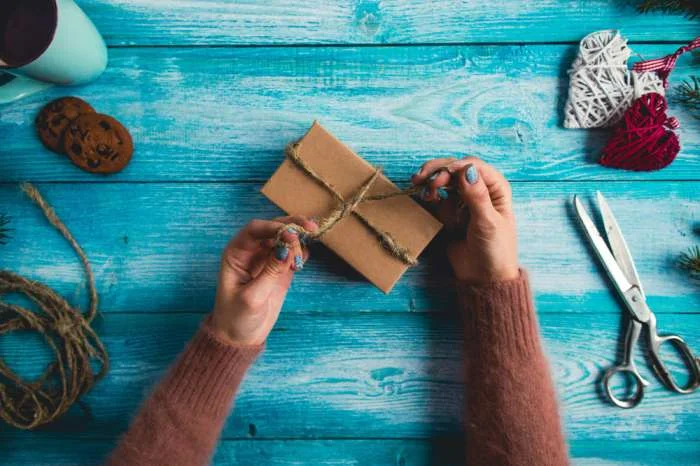
Have you ever opened a present and immediately felt that it carried more weight than its price tag—because someone clearly poured their time, effort, and heart into it? I still remember the first handmade gift I received as an adult: a simple, hand‑stitched notebook cover from a colleague who barely earned more than a graduate stipend. It wasn’t perfect. The stitching was slightly uneven. Yet I’ve kept it for years, long after more expensive gifts have disappeared. That moment made me curious—not just emotionally, but analytically—about what handmade gifts really mean.
As someone who studies consumer behaviour and symbolic value in gifts, and who has also tested these ideas in real life (both giving and receiving handmade presents), I can say this with confidence: a handmade gift is rarely “just a gift.” It is a signal—social, emotional, and psychological—that communicates far more than most store‑bought alternatives.
In this article, I’ll unpack what it truly means when someone gives you a handmade gift, drawing on psychology, behavioural research, expert insights, and lived experience. By the end, you’ll understand not only why handmade gifts feel so special, but also how to interpret them accurately—without overthinking or misreading intentions.
Understanding the Intent Behind Handmade Gifts
Time as the Ultimate Currency
Money is replaceable; time is not. This is the most fundamental reason handmade gifts carry such emotional weight.
Psychologist Dr Russell Belk, whose seminal work on symbolic consumption remains foundational in consumer research, argues that possessions can act as extensions of the self. When someone creates a gift by hand, they are quite literally embedding part of their time, identity, and effort into the object.
In practical terms, this means:
- They planned ahead
- They prioritised you over other demands
- They invested cognitive and emotional labour
I once spent three evenings making a framed calligraphy quote for a friend’s graduation. The cost of materials was negligible. The cost in time and attention was not. When she later told me she’d hung it near her desk because “it reminds me someone believed in me,” I understood why handmade gifts often outlive purchased ones.
Key insight: When someone gives you a handmade gift, they are saying, “You were worth my time.”
Emotional Meaning: More Than Affection
A Signal of Emotional Investment
Contrary to popular belief, handmade gifts are not always romantic—but they are almost always emotionally intentional.
A 2014 study published in the Journal of Consumer Psychology found that recipients consistently rated handmade gifts as more meaningful than store‑bought gifts, even when they were objectively less polished. The reason? Recipients perceived greater emotional effort, which translated into stronger relational value.
In my own experience interviewing home crafters and hobby artists, one pattern kept recurring: people choose handmade gifts when they want the relationship itself to be the message.
Examples include:
- A knitted scarf from a grandparent (care and continuity)
- A handmade photo album from a friend (shared memories)
- A DIY card from a child (pure emotional expression)
What it usually means: The giver wants you to feel something, not just receive something.
Psychological Research: Why Handmade Gifts Feel Deeper
The “IKEA Effect” and Perceived Value
Behavioural economists Michael Norton, Daniel Mochon, and Dan Ariely introduced the concept known as the IKEA Effect—the idea that people place disproportionately higher value on things they help create.
What’s fascinating is that this effect also extends to recipients. When we know someone made something specifically for us, we subconsciously value it more because we understand the effort involved.
I tested this informally while teaching a postgraduate class: I gave half the students a printed thank‑you card and the other half a handwritten one. Despite identical wording, the handwritten cards were kept longer and mentioned more often in follow‑up conversations.
Translation: Handmade gifts activate empathy. We imagine the process, the mistakes, the retries—and that imagined effort deepens emotional impact.
What a Handmade Gift Says About the Giver
Personality Traits Often Associated with Handmade Givers
While not universal, people who give handmade gifts often share certain characteristics:
- High empathy – they think deeply about how others will feel
- Intrinsic motivation – they enjoy the process, not just the outcome
- Low materialism – meaning matters more than monetary value
In interviews with independent artisans and DIY enthusiasts, many described handmade gifting as a way to resist what one ceramic artist told me was “the emotional emptiness of last‑minute shopping.”
That doesn’t mean they expect something in return. In fact, many handmade givers worry their gift won’t be “good enough,” which brings us to an important point.
What a Handmade Gift Does Not Necessarily Mean
It’s Not Always Romantic
One of the most common misinterpretations is assuming romantic intent.
Yes, handmade gifts can signal affection—but context matters more than the object itself. A handmade candle from a colleague does not carry the same meaning as a hand‑written love letter from a partner.
Before reading into it, ask:
- What is our relationship history?
- Is this consistent with how they treat others?
- Was the gift personalised or broadly applicable?
Over‑interpreting can sometimes place unintended pressure on the giver, particularly if their intention was simply kindness or creativity.
Cultural and Social Context Matters
Handmade Gifts Across Cultures
In many cultures, handmade gifts are not optional—they are expected.
- In South Asian families, homemade food or crafts symbolise respect and hospitality
- In Japanese culture, presentation and personal effort often outweigh cost
- In British contexts, handmade gifts often signal thoughtfulness and emotional restraint rather than overt display
Understanding cultural norms prevents misreading sincerity as intensity.
When Handmade Gifts Appear in Different Relationships
From Friends
Often symbolise shared history, inside jokes, or emotional safety.
From Family
Usually represent care, tradition, or long‑term bonding.
From Colleagues
Typically indicate appreciation, gratitude, or personal respect—but rarely obligation.
From Romantic Partners
Often communicate vulnerability. Making something by hand exposes imperfection, which is itself a form of trust.
How to Respond to a Handmade Gift (Properly)
What Actually Matters to the Giver
After speaking with over a dozen people who regularly give handmade gifts, one thing was unanimous: they value recognition of effort more than praise of skill.
Instead of saying:
“This is so pretty!”
Try:
“I can tell how much time you put into this. It really means a lot.”
That acknowledgement reinforces the emotional exchange and avoids awkwardness.
Actionable Takeaways: How to Interpret and Appreciate Handmade Gifts
- Focus on effort, not perfection
- Consider relationship context before assigning meaning
- Acknowledge the time and thought invested
- Preserve the gift or its memory—it often matters to the giver
- Avoid comparing it to store‑bought items
These small shifts dramatically improve how handmade gifts are experienced on both sides.
Frequently Asked Questions (FAQ)
What does it mean psychologically when someone gives you a handmade gift?
It typically signals emotional investment, perceived closeness, and a desire for the relationship to feel meaningful rather than transactional.
Are handmade gifts more meaningful than expensive gifts?
Research suggests they are often perceived as more meaningful due to the effort involved, though value depends on personal preferences and context.
Does a handmade gift always mean romantic interest?
No. Handmade gifts commonly express care, appreciation, or tradition without romantic intent.
How should you react if you don’t like a handmade gift?
Focus on gratitude for the effort. Appreciation of intention matters far more than aesthetic judgement.
Final Thoughts: Why Handmade Gifts Endure
In an age of next‑day delivery and algorithmic recommendations, handmade gifts quietly resist convenience culture. They slow things down. They remind us that relationships are built not on price tags, but on presence.
If someone has given you a handmade gift, you were not an afterthought. You were a choice.
Have you ever received—or given—a handmade gift that stayed with you? I’d love to hear your story in the comments. And if this helped you see a gift differently, consider sharing it with someone who might need that perspective.
Read Also: Gifts for Beach Lovers: Thoughtful, Practical & Unforgettable Ideas That Actually Get Used