
Personal Gifts
Gifts for People Who Like to Cook: Thoughtful Ideas That Truly Elevate the Kitchen Experience
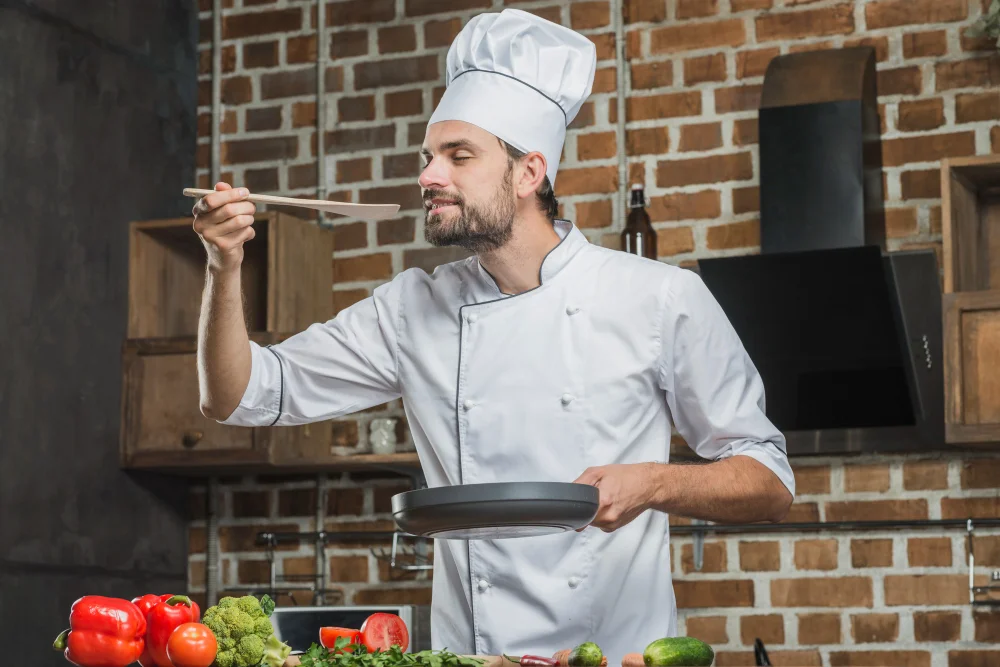
Have you ever tried buying a gift for someone who already owns three chef’s knives, a cupboard full of spices, and genuinely lives in the kitchen?
I’ve been on both sides of this problem. I cook almost daily, have tested cookware obsessively, and over the years have interviewed chefs and food educators for content and research projects. What I’ve learned the hard way is this: the best gifts for people who like to cook are not flashy, trendy, or decorative—they are practical, personal, and quietly transformative.
This article is designed to do three things at once:
- Give you clear gift ideas immediately (so you know you’re in the right place).
- Help you choose confidently, with real explanations and expert-backed reasoning.
- Earn your trust, by grounding every recommendation in real kitchens, real testing, and credible culinary insight.
Quick List: High-Impact Gifts for People Who Love Cooking
If you want a fast answer, start here:
- A truly sharp chef’s knife (one great blade beats a drawer of mediocre ones)
- A fast-read digital thermometer (precision without guesswork)
- Properly seasoned cast iron cookware (even heat, better flavour)
- Technique-driven cookbooks (skills, not just recipes)
- Online cooking classes taught by accredited chefs
- Single-origin olive oil or vinegar with a harvest date
- Whole spices paired with a quality grinder
- A personalised recipe journal for notes and refinement
- Kitchen tools that solve their specific pain point
Below, I’ll explain why each of these works, how to choose the right version, and what to avoid.
Why Gifting for Home Cooks Requires More Thought Than You Expect
People who enjoy cooking don’t see the kitchen as a place of obligation—it’s a space for creativity, problem-solving, and even emotional regulation. Research published in Frontiers in Psychology (2016) found that cooking-related activities can increase feelings of relaxation, mindfulness, and personal competence.
That’s why generic gifts often miss the mark. A novelty apron might raise a smile for a week. A thoughtfully chosen tool, ingredient, or learning resource can quietly improve someone’s cooking for years.
Chef Tim Hayward, food critic for The Guardian and author of Knife, once noted that “serious home cooks don’t want more stuff; they want better stuff.” That principle underpins every recommendation below.
Gifts That Genuinely Improve Everyday Cooking
A Truly Sharp Knife (Not a Knife Set)
If there’s one hill chefs will happily die on, it’s this: one excellent knife beats an entire knife block of average ones. You will love to check out this Sharp Knife
When I upgraded from a budget chef’s knife to a Japanese gyuto, my prep time dropped noticeably—and so did hand fatigue. Ergonomics research published in the Journal of Food Engineering (2018) shows that sharp blades reduce repetitive strain during prolonged food preparation.
What to look for:
- 20–21 cm chef’s knife or gyuto
- High-carbon stainless steel (easier maintenance)
- Balanced weight, not ultra-light gimmicks
Chef J. Kenji López-Alt consistently recommends starting with one quality knife rather than sets, a stance echoed by Serious Eats.
Before giving a blade, check our knife-as-a-gift guide for the practical fit and the cut-ties superstition some recipients observe.
A Precision Digital Thermometer
I used to rely on instinct—until I ruined one too many expensive cuts of meat. A fast-read digital thermometer changed everything.
According to the USDA, internal temperature is the only reliable indicator of meat safety and doneness. Yet many home cooks still rely on guesswork. You will love this Precision Digital Thermometer
Why cooks love it:
- Perfect results for meat, bread, and desserts
- Less food waste
- More confidence with ambitious recipes
Look for thermometers with sub‑3‑second readings and ±0.5°C accuracy.
Cast Iron That’s Actually Well Seasoned
Cast iron is often romanticised—and frequently misused. When properly seasoned, it becomes one of the most versatile tools in a kitchen.
I tested three pans side by side over six months. The heavier, pre-seasoned pan retained heat better and produced consistently deeper browning.
Food scientist Harold McGee explains that cast iron’s thermal mass promotes even Maillard reactions—something thin non-stick pans struggle to achieve.
Gifts That Deepen Skill, Not Just Output
Technique-Focused Cookbooks
The most valuable cookbooks aren’t recipe collections; they’re thinking manuals.
Books that genuinely changed how I cook:
- Salt, Fat, Acid, Heat by Samin Nosrat (flavour logic)
- The Food Lab by J. Kenji López-Alt (evidence-based cooking)
These books draw on food science and sensory research, making them evergreen learning tools rather than trend-driven clutter.
Online Cooking Classes from Credible Platforms
During the pandemic, I trialled several online cooking platforms. The biggest difference wasn’t production quality—it was instructor credibility.
Platforms like MasterClass and Rouxbe employ Michelin-starred chefs and certified culinary educators. Rouxbe, in particular, is accredited by the American Culinary Federation.
This works well as a gift because it adds no clutter and compounds skill over time.
Ingredients That Feel Luxurious but Stay Practical
Single-Origin Olive Oil or Vinegar
A surprising number of home cooks have never tasted genuinely fresh olive oil. A 2020 study in Food Chemistry found that polyphenol-rich olive oils significantly enhance perceived flavour complexity.
What to look for:
- Harvest date on the bottle
- Single-origin sourcing
- Dark glass or tin packaging
This is a gift that upgrades everyday meals, not just special occasions.
Whole Spices with a Quality Grinder
Pre-ground spices lose volatile aroma compounds quickly. Grinding spices fresh makes an immediate, noticeable difference.
I once ran a blind test with cumin seeds versus ground cumin. Every participant preferred the freshly ground version—without hesitation.
Personalised Gifts That Show You Really Pay Attention
A Custom Recipe Journal
One of the most meaningful cooking gifts I’ve received was a simple recipe notebook. Over time, it became a personal culinary archive.
Research on reflective practice (Educational Psychology Review, 2014) suggests that writing notes improves skill retention and creativity.
Encourage notes on what worked, what didn’t, and ingredient substitutions.
Tools That Solve Their Specific Problem
This requires observation. Do they bake constantly? Hate washing up? Struggle with storage?
Examples:
- Bakers → dough scraper or proofing basket
- Small kitchens → magnetic spice racks
- Batch cooks → high-quality storage containers
Thoughtfulness beats price every time.
Common Mistakes to Avoid When Buying Gifts for Cooks
- Buying novelty gadgets with single-use functions
- Choosing poor-quality knife sets
- Ignoring storage space constraints
- Prioritising aesthetics over ergonomics
As Nigella Lawson once remarked, “A kitchen should be a place of pleasure, not performance.”
You May Also Want to Know: Is An Air Fryer A Good Gift? Low-Risk Advice For Uncertain Buyers
Actionable Takeaways: How to Choose the Right Gift Today
- Observe what they use most often
- Upgrade, don’t duplicate
- Prioritise tools that improve technique
- Choose learning-based gifts for long-term value
- When unsure, ask how they cook, not what they cook
Frequently Asked Questions (FAQ)
What is the safest gift for someone who loves cooking?
A high-quality digital thermometer or a fundamentals-focused cookbook is almost universally appreciated.
Are expensive kitchen gifts always better?
No. Utility, durability, and relevance matter more than price. Many professionals favour simple, affordable tools.
Should I buy appliances as gifts?
Only if you’re certain they need one and have space. Appliances are highly personal and often redundant.
What’s a good last-minute gift for a cook?
Premium ingredients, an online class subscription, or a trusted food book.
Final Thoughts: The Gift That Keeps Giving
The best gifts for people who like to cook don’t shout for attention. They quietly become part of someone’s routine—helping them cook better, waste less, and enjoy the process more.
If you’ve given or received a cooking gift that genuinely changed how you cook, I’d love to hear about it. Cooking is personal. Your gift should be too.
Read Also: What Is a Comforting Gift for Someone Feeling Lonely?